
Key Takeaways
- Japan’s cabinet approved a bill classifying crypto as a financial instrument.
- The new law adds bans on insider trading, mandatory disclosures, and higher penalties.
- This shift boosts legitimacy and opens the door to institutional crypto growth in 2027.
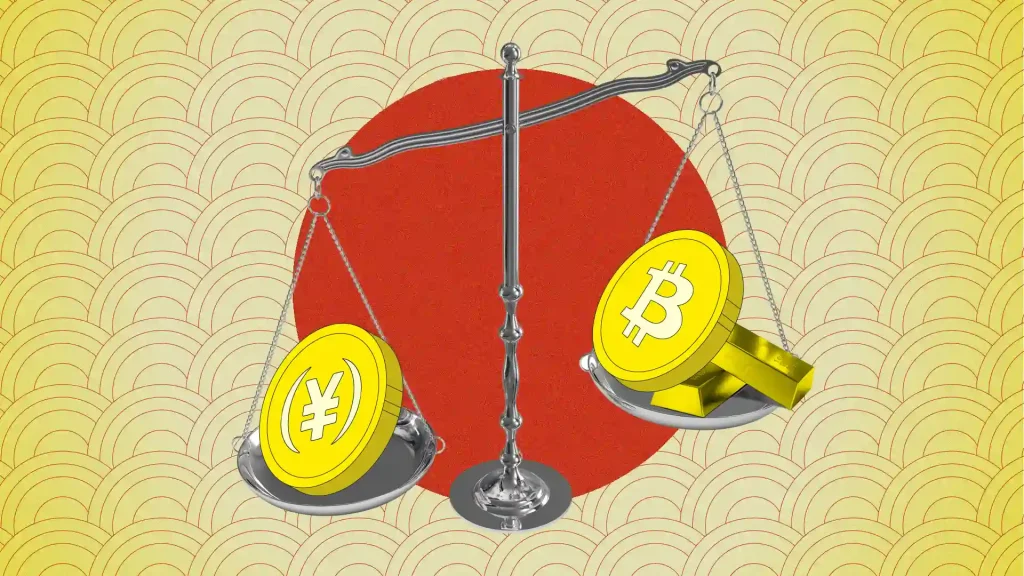
Japan’s cabinet approved a landmark amendment to the Financial Instruments and Exchange Act (FIEA) on April 10, 2026, officially classifying crypto assets as financial instruments.
The move elevates digital currencies from their previous status as payment tools to regulated investment products on par with stocks and bonds.
Cabinet Approval Ushers in New Era for Crypto Regulation
The bill, advanced by the Financial Services Agency (FSA), received cabinet approval today and will now proceed to the National Diet (Japan’s sole law-making body) for debate and final passage.
If enacted, the changes are expected to take effect as early as 2027.
This legislative step follows months of preparation.
In late 2025, the FSA’s working groups and the Financial System Council recommended reclassifying crypto to reflect its primary role as an investment vehicle.
The cabinet’s swift approval on April 10 signals strong government backing, with Finance Minister Satsuki Katayama stating the reforms will:
“Expand the supply of growth capital… and ensure market fairness, transparency, and investor protection.”
Key provisions in the FIEA amendment include:
- A ban on insider trading based on non-public information would close a major regulatory gap.
- Mandatory annual disclosures by crypto issuers to boost transparency.
- Rebranding of businesses from “crypto-asset exchange operators” to “crypto-asset dealers.”
- Sharply higher penalties for unlicensed operations—up to ten years in prison and fines as high as ¥10 million.
The process mirrors Japan’s methodical approach to financial reform.
Cabinet endorsement of an FSA-drafted bill, followed by diet deliberation, committee review, and potential amendments before promulgation.
No major opposition has surfaced, reflecting a broad consensus that crypto has matured beyond its experimental phase.
From Payment Method to Regulated Asset: What Changed
Prior to today’s approval, crypto operated under the Payment Services Act (PSA).
Introduced after the 2014 Mt. Gox collapse, the PSA defined “crypto assets” as non-fiat payment instruments usable by unspecified parties.
Exchanges required FSA registration, mandatory asset segregation, and strict AML/CFT rules, but lacked securities-style oversight.
Derivatives received partial FIEA coverage in the 2020 amendments, yet spot crypto remained outside traditional financial-instrument rules.
This lighter framework fostered innovation—Japan became one of the world’s largest Bitcoin markets, but left gaps in investor protection as retail and institutional participation surged.
Most holders now treat crypto as an investment, not a daily payment tool.
The FIEA shift changes everything.
Crypto now faces full market conduct rules, including disclosure obligations, prohibitions on unfair trading practices, and alignment with securities regulations.
Issuers must provide ongoing transparency, while dealers operate under heightened scrutiny. Unregistered activity carries far stiffer penalties.
For the industry, the implications are profound.
Greater legitimacy could unlock institutional capital, pension-fund allocations, and crypto ETFs.
Consumer confidence should rise with stronger safeguards against fraud and manipulation.
Compliance costs will increase, potentially consolidating the market around well-capitalized players, but the trade-off promises a more stable, mature ecosystem.
Tax reforms discussed in parallel—moving crypto gains to a flat 20% capital-gains rate—could further sweeten the appeal once aligned with the new classification.
Japan’s Crypto Legislation: A Decade of Evolution
Japan’s journey from crisis response to forward-looking leadership is remarkable.
- 2017: Post-Mt. Gox, Japan became the first major economy to regulate crypto exchanges under the PSA. Registration, capital requirements, and user-asset protection formed the foundation.
- 2019–2020: Amendments renamed “virtual currency” to “crypto asset,” added custody-service rules, and brought crypto derivatives under FIEA oversight. Unfair trading provisions were introduced.
- 2022–2023: Stablecoin regulations arrived via PSA updates, classifying fiat-backed tokens as electronic payment instruments and requiring issuance by banks or trust companies.
- 2025: Further PSA tweaks created lighter licensing for intermediary services, while policy discussions turned to reclassification as financial assets.
- 2026: Today’s FIEA amendment marks the culmination—shifting primary oversight to securities law and recognizing crypto’s investment character.
Each step responded to market realities while prioritizing consumer protection.
Japan’s regulators learned from global hacks and collapses, consistently tightening rules without stifling growth.
The 2026 overhaul positions Japan as a sophisticated crypto hub: innovative yet robust, attractive to both domestic investors and international players seeking regulatory clarity.
As the Diet prepares to deliberate, the world watches. Japan’s reclassification of crypto as a financial instrument is more than bureaucratic housekeeping—it signals that digital assets have arrived as mainstream finance.
For traders, issuers, and institutions alike, the message is clear: the future of crypto in Japan just became far more structured—and potentially far more rewarding.
Top Trending Crypto Articles

Prashant Jha is a seasoned crypto journalist based in Delhi, India, with a Bachelor’s Degree in Computer Science Engineering. Passionate about the evolving world of blockchain and cryptocurrencies, he has been a dedicated voice in the industry since 2018. Prashant’s expertise lies in regulatory reporting, where he unravels complex legal and financial developments with clarity and precision. Before joining CCN in 2024, he honed his craft at Cointelegraph, establishing himself as a trusted name in crypto journalism.
His coverage spans major industry events, including the high-profile collapses of FTX, Three Arrows Capital (3AC), and LUNA, offering readers insightful analyses of their regulatory and market implications. Prashant’s technical background enables him to bridge the gap between intricate blockchain technology and its real-world applications, making his work accessible to novices and experts.
Beyond his professional pursuits, Prashant is an avid music enthusiast, often exploring diverse genres to unwind. A sports lover, he has a particular passion for cricket and frequently engages in discussions about the game. His multifaceted interests and sharp journalistic instincts make him a valuable contributor to CCN, where he continues shaping the crypto landscape’s narrative.
