
Published on
July 6, 2026

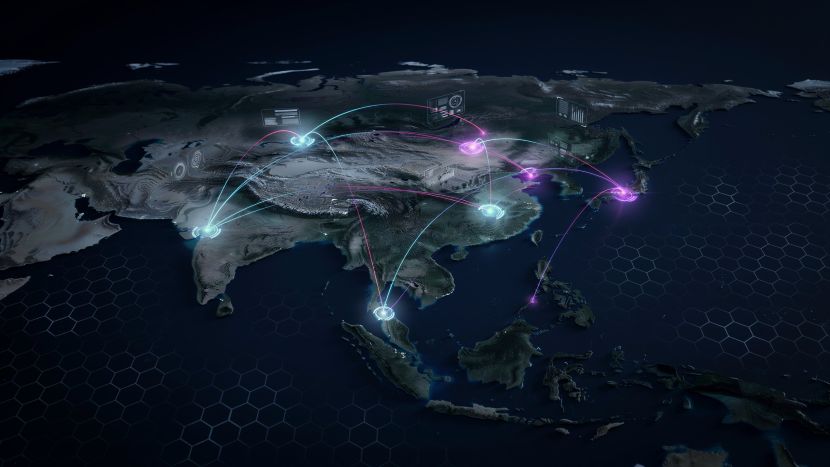
Image generated with Ai
Thailand Joins Vietnam, Indonesia, Malaysia and Singapore in Mega Visa-Free Blitz as Asia Destroys Old Borders and Dares the West to Catch Up, marking a powerful shift in global travel systems. This major wave of change shows how Thailand Joins Vietnam, Indonesia, Malaysia and Singapore in Mega Visa-Free Blitz is reshaping movement across Asia with faster entry rules and digital immigration reforms. At the same time, Asia Destroys Old Borders by replacing traditional visa barriers with smart technology and instant approvals. Countries are now working together more closely, and they are building seamless travel corridors that reduce delays and improve access. As a result, Asia Destroys Old Borders and Dares the West to Catch Up, creating strong competition in global tourism leadership. This transformation highlights how Asia is rapidly becoming the most connected and travel-friendly region in the world.
Asia’s Smart Visa Revolution: A New Borderless Travel Era
Asia is now moving towards a more connected and digital travel environment where crossing borders is becoming less complicated. Governments are focusing on three major areas of reform. First, visa-free agreements between countries are increasing, allowing travellers from selected nations to enter without traditional visa procedures. Second, e-Visa systems are replacing embassy visits and long paperwork processes with online applications that can be completed in minutes. Third, digital immigration clearance systems are being installed at major airports to speed up passenger movement. These changes are creating a new travel experience where passengers can complete pre-arrival checks online and pass through airports using automated gates. This reduces congestion and improves efficiency. The overall goal is to make Asia one of the most travel-friendly regions in the world while still maintaining strong border security.
Thailand: Leading Visa-Free Expansion and Digital e-Visa Growth
Thailand is playing a major role in shaping Asia’s smart visa movement. The country has expanded visa-free entry for many nationalities, making it easier for tourists to visit popular destinations like Bangkok, Phuket and Chiang Mai. At the same time, Thailand has strengthened its e-Visa system, allowing travellers to apply online before departure. This reduces the need to visit embassies and speeds up approval times. The country also continues to use visa-on-arrival facilities for eligible markets, supporting high tourism demand. Immigration systems at airports are becoming more digital, helping reduce waiting times and improve passenger flow. Thailand’s strategy is clearly focused on increasing tourism numbers by making entry faster, simpler and more efficient while still maintaining proper border checks through digital screening tools.
Vietnam: Fully Digital National e-Visa System for Global Access
Vietnam has become one of the most open digital visa destinations in Asia. Its national e-Visa system allows travellers from all countries to apply online without visiting an embassy. The system supports stays of up to 90 days, making it attractive for both tourists and business visitors. Once approved, the visa is issued electronically, allowing travellers to enter smoothly through major airports such as Hanoi and Ho Chi Minh City. The entire process is fully digital, which reduces delays and simplifies travel planning. Vietnam’s model is a strong example of how a country can expand tourism access while maintaining border control through technology. This system reflects a clear move toward full digital immigration governance.
Indonesia: Blending Visa-on-Arrival with Digital e-Visa Systems
Indonesia is modernising its immigration system by combining traditional visa-on-arrival services with expanding digital e-Visa platforms. This hybrid model allows travellers to choose between obtaining a visa upon arrival or applying online before travel depending on nationality. Popular tourism hubs such as Bali benefit significantly from this flexible system. The government is also increasing digital processing at entry points to reduce airport queues and improve efficiency. Immigration checks are becoming more streamlined through electronic verification systems. Indonesia’s approach is designed to manage high tourist volumes while maintaining strong border control. The focus is on balancing accessibility and security through gradual digital transformation.

Image generated with Ai
Malaysia: ASEAN Connectivity and Long-Term Visa Liberalisation
Malaysia is strengthening its position as a regional travel hub through visa-free arrangements and ASEAN mobility agreements. Many travellers from partner countries can enter without complex visa requirements, supporting smoother regional movement. The country also operates a structured e-Visa system for tourism and business travel, where applications are processed online and approved digitally. Malaysia is actively working with ASEAN partners to improve long-term travel integration within Southeast Asia. This includes efforts to simplify cross-border movement between member countries. The overall strategy is focused on making Malaysia a central gateway for regional tourism and business connectivity, while supporting long-term visa liberalisation trends.
Advertisement
Advertisement
Singapore: The World Leader in Smart Immigration Technology
Singapore is widely recognised as a global leader in smart immigration systems. The country uses advanced digital border control technology that includes biometric verification gates, automated clearance systems and pre-arrival electronic registration. Many short-term travellers do not go through traditional visa processes, as screening is completed digitally before arrival. At airports, passengers can pass through immigration using automated systems that scan identity and travel documents in seconds. This creates a highly efficient travel experience with minimal waiting time. Singapore’s system is considered one of the most advanced in the world and serves as a model for other countries developing digital border solutions.
Japan: Simplified Visa Rules and Faster Entry Systems
Japan is gradually improving its immigration system by simplifying visa policies and introducing faster entry processes. Many countries already benefit from visa-free access, and Japan continues to expand digital pre-arrival registration systems to reduce airport congestion. These systems allow travellers to complete necessary checks before reaching the country. Immigration procedures at airports are becoming more efficient through better technology and streamlined processes. Japan’s approach is carefully balanced, focusing on maintaining strict security standards while also improving tourism accessibility. The country is slowly shifting toward a more digital-first immigration model that supports increasing international visitor numbers.
Advertisement
Advertisement
South Korea: K-ETA System and Smart Airport Gates
South Korea uses a structured digital entry system called K-ETA, which requires eligible travellers to complete electronic travel authorisation before arrival. This system helps reduce congestion at immigration counters and speeds up processing at major airports like Seoul Incheon. In addition to K-ETA, South Korea uses biometric smart gates that allow faster passenger clearance. These systems work together to ensure both security and efficiency. The country’s immigration model is designed to control entry while still improving the overall travel experience. South Korea continues to refine its digital border systems as international travel demand increases.
United Arab Emirates: AI-Based Smart Visa Processing Hub
The United Arab Emirates has developed one of the most advanced visa processing systems in Asia. The country uses artificial intelligence and digital automation to approve visas quickly for many travellers. Instant e-Visa approvals, digital residency systems and smart immigration gates are now widely used across airports. The UAE model focuses on speed, global connectivity and high efficiency. Dubai and Abu Dhabi act as major hubs for international travel, and the system is designed to support high passenger volumes with minimal delay. The UAE’s digital visa infrastructure is also influencing other countries in Asia that are building similar smart travel systems.
China: Controlled Visa-Free Zones and Digital Entry Expansion
China is gradually expanding visa-free entry in selected regions, especially in tourism and economic zones. These controlled areas allow easier access for international visitors while maintaining national border security. The country is also testing digital pre-clearance systems in pilot regions to improve travel efficiency. These systems are designed to support tourism growth without fully opening national borders. China’s approach is careful and controlled, focusing on gradual digital transformation rather than full liberalisation. However, the direction clearly shows movement toward smarter and faster entry systems in specific regions.
Kazakhstan: Building Central Asia’s e-Visa Connectivity Network
Kazakhstan is developing a strong e-Visa system that allows travellers to apply online for tourism and business visits. The country is improving its connectivity with Asia and the Middle East to strengthen regional travel links. This digital system is part of a wider plan to make Central Asia a more accessible travel corridor. Kazakhstan is also simplifying entry procedures to attract more international visitors. The focus is on supporting tourism growth and improving regional mobility through digital immigration tools.
Advertisement
Advertisement
Sri Lanka: Electronic Travel Authorisation for Smooth Entry
Sri Lanka uses an Electronic Travel Authorisation system that allows travellers to apply online before arrival. This system reduces paperwork and speeds up immigration processing at airports. Visitors can complete most formalities digitally, making entry faster and more efficient. Sri Lanka is positioning itself as a fully accessible island destination in the Indian Ocean region. The system supports tourism growth by improving convenience and reducing administrative barriers for international travellers.

Image generated with Ai
Regional Integration: Asia Moving Toward a Connected Travel Network
Across Asia, countries are gradually working toward a more connected travel system. Visa-free agreements are increasing between neighbouring nations. e-Visa platforms are becoming standard across multiple destinations. Airports are adopting biometric and automated immigration technologies. These combined changes are creating a smoother travel experience across borders. The region is slowly shifting from traditional immigration systems to digital mobility networks. This transformation is making travel faster, more predictable and more efficient for millions of passengers each year.
Asia’s Travel Future is Fast, Digital and Borderless
Asia is entering a new era where travel is becoming fully digital and highly efficient. Countries are investing heavily in smart visa systems, automated immigration gates and e-Visa platforms. Thailand, Vietnam, Singapore, Japan, South Korea and the UAE are leading this change, while other nations are quickly following. The direction is clear. The future of travel in Asia will be faster, simpler and more connected. Millions of travellers will benefit from reduced waiting times and smoother border crossings, marking a major shift in global mobility patterns.
Advertisement
Advertisement
