
Published on
April 10, 2026

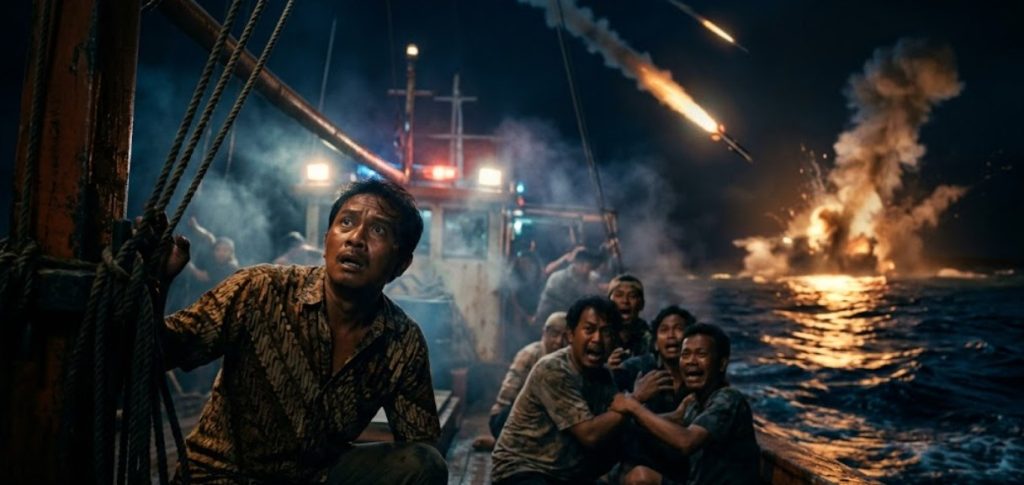
Image generated with Ai
The Strait of Hormuz has been called the narrow throat through which the lifeblood of the world flows, carrying a large share of global seaborne oil. Despite a shaky ceasefire between Iran and the United States, restrictions on passage remained in place, creating a maritime crisis for Southeast Asian nations. Ships from Singapore, the Philippines, Vietnam, and Indonesia were stranded, as Iranian forces issued radio warnings, causing significant disruptions to the flow of oil, liquefied gas, and other vital goods. This situation has sparked a global energy crisis, raising prices and destabilizing supply chains. Southeast Asian countries, heavily reliant on these shipments, have faced higher fuel costs, reduced energy supplies, and growing inflation. The international community has condemned the attacks on commercial vessels, and there have been calls for diplomatic solutions and safe passage under international maritime law. Despite legal assurances, the Iranian blockade continues, leaving nations in the region scrambling to ensure the safety of their maritime trade routes, while diversifying energy supplies and preparing for future challenges.

Image generated with Ai
Restrictions Remain despite Ceasefire
The ceasefire was welcomed, yet restrictions were still maintained. Maritime information services said Iranian guards hailed foreign vessels over radio and warned them not to transit[1]. No formal closure was declared, but traffic was almost stopped[2]. International law says transit passage cannot be suspended[3]. The lack of a legal notice bred confusion and fear. Ships from many countries waited in uncertain waters. The short pause in fighting did not bring relief. A near halt in shipping punished the region. Restrictions remained as a sign of lingering tension.
Singapore’s Struggle to Cross the Strait
Singapore’s leaders have been highly active. The Ministry of Foreign Affairs welcomed the ceasefire but urgently insisted that shipping must be restored and safe and unimpeded transit guaranteed[4]. Officials said the situation should be handled under the United Nations Convention on the Law of the Sea. Despite its port and fleet, Singapore has waited. Tankers carrying oil and liquefied gas for its refineries have been stranded. Airlines based in the city state have had to divert flights. The economy thrives on trade, yet it has been starved by restrictions.
Philippines Seafarers Under Threat
In Manila, worry has dominated official statements. The Maritime Industry Authority supported the International Maritime Organization’s call to protect seafarers’ rights amid Gulf tensions[5]. Guidance was issued urging ship owners to ensure that crews receive food, water and fuel supplies and that safety measures are heightened. The agency said Filipino seafarers are vital and must be safeguarded[5]. As tankers waited outside the strait, crew welfare became an issue. The restrictions have turned a major conflict into a daily concern for Filipino families, whose loved ones sail the dangerous waters.
Vietnam’s Vessels Await Permission
Vietnam has faced a long waiting game. The ministry said Iran is implementing procedures to allow Vietnamese vessels to transit the strait and that officials have been working with Tehran[6]. All Vietnamese ships and crews were safe[6]. Consular hotlines were offered to support citizens[7]. Yet vessels remained still at anchor, waiting for a signal to move. Vietnamese exporters struggled with delays, and concerns about fuel and food supplies mounted. The wait for a green light has been a test of patience and diplomacy for Hanoi.
Indonesia’s Diplomatic Hopes
In Jakarta, officials expressed optimism. News reports said that authorities welcomed the ceasefire and a temporary reopening of the strait[8]. The foreign ministry spokesperson said the pause showed a willingness to engage in diplomacy and that Indonesia would support efforts to reach a lasting settlement[8]. Yet the government stressed that the opening was temporary and that ships should remain alert[9]. Indonesia depends on energy, and any disruption has been felt at the pump. The government urged a return to normal shipping and warned that delays threaten the economy and livelihoods.
Advertisement
Advertisement
Global Energy Crisis Unfolds
The strangling of the strait has sent shock waves through energy markets. According to the United Nations Conference on Trade and Development, about a quarter of seaborne oil and liquefied gas and fertiliser pass through this waterway[10]. The conflict caused a near halt in shipping and pushed oil prices up[2]. Rising energy costs have been felt from petrol stations to power grids. For countries like Singapore and Vietnam, which import most of their fuel, the crisis has been painful. Consumers have seen bills rise and industries have faced supply uncertainty.
Travel Turmoil and Tourism Suffering
The blockade has not only hit fuel supplies but has also upended travel. Airlines across Southeast Asia have rerouted flights to avoid the Strait of Hormuz, adding hours of travel time and raising ticket prices. Tourists have cancelled trips and hotels have seen bookings fall. Cruise ships that once passed through the Gulf have been turned back. Travel agencies report a sharp decline in bookings to the Middle East. The tourism downturn has been a hidden casualty of the crisis. Families planning pilgrimages or holidays have been forced to wait or seek expensive alternate routes.
Advertisement
Advertisement
International Condemnation of Attacks
The response from Western capitals has been swift. Leaders of the United Kingdom, France, Germany and their partners issued a joint statement condemning Iran’s attacks on commercial vessels and the closure of the strait. They declared that freedom of navigation is a principle and vowed to ensure safe passage and stabilise energy markets, even pledging to release reserves through the International Energy Agency. The statement warned that interference with shipping threatens international peace and called for a moratorium on attacks on civilian infrastructure. The tone was stern and uncompromising.
G7 Reaffirms Safe Passage
The Group of Seven foreign ministers issued a rebuke of Iran and its proxies. In a publicly issued statement, the ministers jointly condemned attacks on civilian and energy infrastructure and reaffirmed the importance of safeguarding crucial maritime routes, including the Strait of Hormuz[11]. They expressed readiness to support global energy supplies and said strategic petroleum reserves could be released through the International Energy Agency[11]. The ministers also called on all parties to deescalate and respect international law. Their message underscored a united front among economies against disruption in the Gulf.
Legal Void and Maritime Law
The crisis has highlighted a legal paradox. Under the United Nations Convention on the Law of the Sea, passage through straits used for international navigation cannot be suspended[3]. Yet Iranian units told ships not to transit and no official notice was issued[1]. Maritime lawyers have argued that such warnings carry no legal weight and that ships retain a right of passage. The absence of a clear legal declaration created uncertainty. Shipowners worried about insurance, crews worried about safety, and diplomats urged that international law be respected to prevent chaos.
Escalating Naval Presence and Security Risks
With legal uncertainty came a surge in patrols. The Joint Maritime Information Centre warned that naval forces were increasingly present in the strait, issuing VHF hails to passing ships and causing congestion[12]. Commercial traffic continued, but vessels were forced to sail with extreme caution. Warnings about drone or missile attacks spread among crews. Insurance rose and captains worried about crews. The tense atmosphere increased the risk of accidents. Mariners were advised to maintain vigilance, follow traffic separation schemes and keep radios open. The strait felt like a battlefield without open combat.
Supply Chain Domino Effect
Beyond energy and travel, the blockage has rippled through supply chains. A UN trade body warned that the disruption could affect fertiliser shipments and cause shortages that raise food prices[13]. As cargo sits offshore, manufacturers have been starved of raw materials. Farmers in Southeast Asia depend on imported fertiliser, and rising costs severely threaten harvests. Shipping delays have caused factories to seriously slow production and retailers to face empty shelves. Each link in the chain has been weakened. The crisis shows how a single choke point can affect goods from grain to electronics.
Economic Blow to Small Nations
The crisis has been particularly hard on smaller economies. Singapore, the Philippines and Vietnam rely on imported oil and gas. When shipping slowed, fuel prices rose and inflation followed. Manufacturing costs increased and exporters lost competitiveness. Households have faced higher utility bills and transport costs. Governments have considered subsidies to cushion the blow, but budgets are already strained. Currency markets have reacted nervously to rising energy costs. Economic planners now fear that growth projections will be downgraded. For small nations, the closure of a distant strait has become a direct threat to prosperity and stability.
Calls for Diplomacy and Peace
In Southeast Asia, leaders have urged diplomacy. Singapore’s ministry called on parties to adhere to the ceasefire and restore shipping[4]. Indonesia’s ministry said the opening reflected a willingness to talk and that a settlement should be pursued[8]. Vietnam’s ministry said it was working with Iran and urged citizens to follow guidance[6]. Appeals frame the crisis as a diplomatic challenge rather than a military contest. Demanding respect for international law and dialogue, the region hopes to turn tension into compromise and keep trade routes open.
Future Outlook: Uncertain Waters
As the world watches, the horizon remains very clouded. The ceasefire could crumble and restrictions could intensify. Even if negotiations progress, trust will be slow to rebuild. Southeast Asian nations will continue to lobby for safe passage and to diversify energy supplies. Governments are preparing contingency plans, including stockpiling fuel and seeking alternative routes. Investors remain deeply nervous and supply chains very fragile. The crisis has exposed a strategic vulnerability in global trade. Until a permanent settlement is secured, the Strait of Hormuz will still remain a very unpredictable flashpoint that demands vigilance and diplomatic dexterity.
The crisis in the Strait of Hormuz has been a wake‑up call. It has exposed how a single chokepoint can destabilise supply chains, energy markets and travel across continents. Singapore, the Philippines, Vietnam and Indonesia have felt the effects very acutely. Ships have been stranded, seafarers have been deeply anxious and consumers have been squeezed by rising costs. Governments have rushed to issue statements, call for diplomacy and plan for contingencies. Meanwhile, international bodies have condemned attacks and warned of legal violations. The ceasefire has provided a fragile pause, but restrictions have remained and the future remains very uncertain.
The experiences of these Southeast Asian nations reveal the human dimension of maritime conflict. Fishermen, truck drivers and flight crews have seen their livelihoods disrupted. Families have worried for relatives at sea. The energy and travel crisis has become a daily story on television and in conversation. Public trust in the global trading system has been shaken. This episode underscores the importance of peace, respect for international law and investment in resilience. Until the choke point is truly reopened under a lasting agreement, Southeast Asia and the world will continue to hold its breath and hope for calmer seas.
Category‑wise summary of incidents
| Category | Incident summary |
| Ceasefire & restrictions | Ceasefire announced; Iranian guards warn ships; no formal closure; near halt in shipping[1][2] |
| Diplomatic statements | Singapore urges safe transit and adherence to UN law[4]; Philippines backs seafarer protection[5]; Vietnam awaits permission[6]; Indonesia seeks diplomacy[8] |
| Energy market impact | Quarter of seaborne oil and liquefied gas blocked; prices rise; fertiliser shortages threaten food costs[10] |
| Travel & tourism impact | Flights rerouted; tickets costlier; cruise ships turned back; tourism decline noted |
| International reactions | UK and partners condemn attacks and vow safe passage; G7 ministers call for safeguarding maritime routes and possible release of reserves[11] |
Advertisement
Advertisement
