
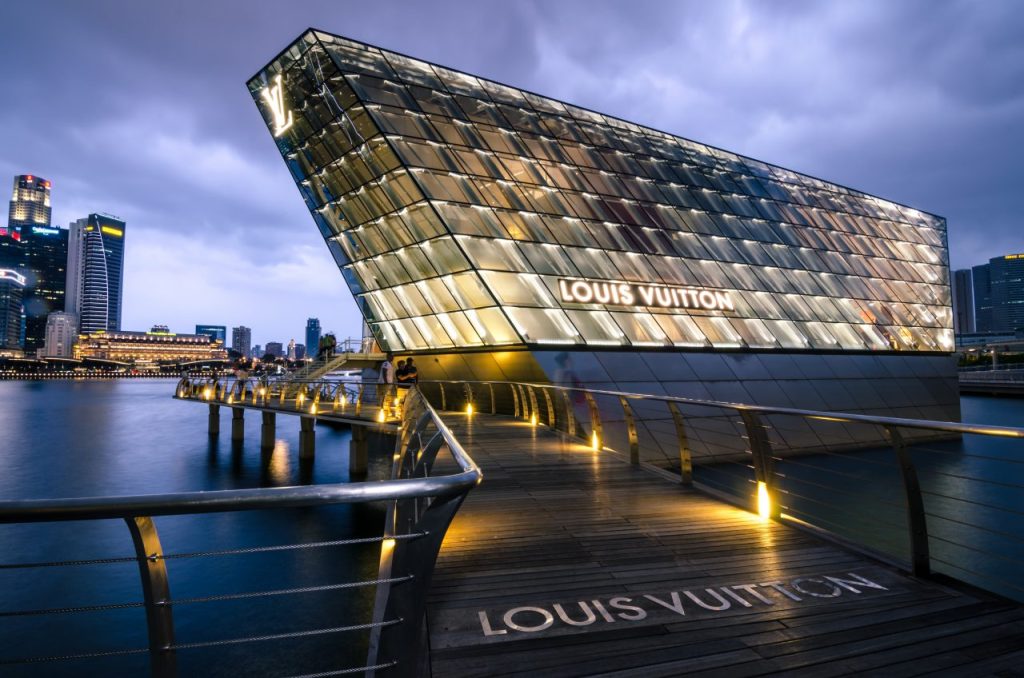
LVMH’s wine and spirits division is ending local production in India after more than a decade of making Chandon sparkling wine in the country. Sula Vineyards will acquire the Chandon winery as part of its expansion into wine tourism.

Having expanded over the years to establish Chandon wineries in Argentina, California, Brazil, Australia and China, Moet Et Chandon, the LVMH wine and spirits division, is ending local wine production in India after more than a decade.
This marks a change from the drive by global drinks groups to establish local production in India to appeal to the vastly growing segment of the population looking for quality drinks with an Indian stamp.
Sula Vineyards acquires the estate
In a statement, Sula Vineyards said it will acquire the Chandon India winery for 200 million rupees (approximately US$2.16 million) to strengthen its wine tourism expansion strategy.
Located in Dindori, Nashik, the estate covers 19 acres and produces some 450,000 litres, expandable to 1.3 million litres. It also includes a visitor centre and banqueting facilities.
Chandon brand to exit the market
In India, Chandon has been positioned as a locally produced premium sparkling wine brand, distributed in more than 20 major cities. Moët Hennessy India also launched Chandon Aurva, a premium still wine produced domestically.
When the deal concludes early next year, the winery’s production will be converted to Sula Vineyards’ own brands, but the “Chandon” name will be retained in India.
Expansion of wine tourism
Sula Vineyards founder and CEO Rajeev Samant said: “Building on the success of our flagship wine tourism destination near Gangapur Lake in Nashik, the most visited vineyard globally, attracting over 300,000 visitors annually, we see strong potential to develop another landmark destination wine resort in Dindori.
“We believe this estate will play a key role in the next phase of growth for our wine tourism business.”
A pioneer of India’s wine industry
Sula Vineyards is widely regarded as a pioneer of India’s modern wine industry, having introduced international grape varieties such as Chenin Blanc, Sauvignon Blanc, and Riesling, and built a diversified portfolio spanning red, white, rosé, and sparkling wines.
Related news
Bernard Arnault tightens grip on LVMH with majority family stake
Bernard Arnault boosts LVMH stake as family moves toward majority control
LVMH results offer cautious lift as wine and spirits remain under pressure