
The Emirates Drug Establishment (EDE) , stressed that combating counterfeit, falsified and unlicensed medicines requires continuous collaboration among regulatory authorities, healthcare institutions and the public. It emphasized that public awareness and adherence to safe purchasing and usage practices constitute the first line of defense in preserving the quality of pharmaceutical products and strengthening the effectiveness of national inspection efforts.
The authority also announced that no circulation of unapproved peptide products has been detected within licensed pharmaceutical warehouses operating under its supervision, reflecting the effectiveness of the UAE’s official pharmaceutical supply-chain monitoring system.
It further disclosed that it is currently conducting a nationwide field inspection campaign targeting compounding pharmacies as part of its ongoing efforts to strengthen compliance with pharmaceutical legislation and regulatory requirements, while ensuring that medicines are circulated in accordance with the highest standards of quality and safety.
Extensive inspections of pharmacies
At the same time, the EDE confirmed that, in cooperation with all healthcare authorities across the UAE, it is carrying out extensive inspections of compounding pharmacies to verify compliance with regulatory controls and ensure that no products containing unauthorized substances are being dispensed. The initiative forms part of broader efforts to reinforce compliance with pharmaceutical legislation and guarantee that patients and consumers receive only safe and high-quality medicines.
Legal measures against 14 establishments
The Emirates Drug Establishment revealed that the detected violations comprised several categories, including 14 establishments registered by local authorities.
Among the key enforcement measures, the authority referred 14 social media influencers to the National Media Office for breaching regulations governing the online promotion and sale of medicines through digital platforms.
The authority reiterated that addressing counterfeit, falsified and unlicensed medicines requires sustained cooperation between regulatory bodies, relevant institutions and the public, stressing that awareness and responsible purchasing practices remain the cornerstone of protecting pharmaceutical quality and enhancing the effectiveness of national inspection programs.
Protecting the community
The Emirates Drug Establishment (EDE) reaffirmed its commitment to protecting society from the health risks associated with purchasing medicines through unreliable digital channels.
Working closely with relevant authorities, the institution continues to promote a culture of safe medicine use by raising public awareness about the importance of purchasing medicines exclusively from licensed pharmacies and authorized healthcare establishments, while ensuring that products are officially registered and sourced from legitimate suppliers before use.
The authority stressed that it is taking every necessary preventive measure to ensure that medicines remain a means of healing rather than a source of harm.
It also warned that deceptive marketing tactics are increasingly being used to persuade consumers to purchase medical products containing unauthorized active substances. One example highlighted by the authority carries the warning: [“One click could cost you your health—or even your life.”
AI and tech boost unlicensed medicine scams
The authority warned that these deceptive advertisements reflect the realities of the digital age, where health risks are no longer confined to traditional channels but increasingly spread through smartphone screens, websites and social media platforms.
Illegal individuals and organized networks actively promote medicines of unknown origin using misleading slogans and false promises, employing highly persuasive claims such as:
-
“A miracle cure for every illness.”
-
“100% natural and completely safe.”
-
“Limited stock available—buy now.”
-
“Thousands of users have confirmed its effectiveness.”
Professionally designed advertisements of this nature are particularly effective in attracting consumers seeking quick solutions to their health concerns. They capitalize on lower prices, ease of purchase and rapid delivery, exposing buyers to potentially severe health risks that may be more dangerous than the conditions they intended to treat.
This regulatory action comes at a time when so-called “peptide injections” and weight-loss products are witnessing rapid global proliferation across social media platforms and online marketplaces, amid growing warnings from international health authorities regarding the dangers of using such products outside approved medical and regulatory frameworks.
1 in 10 medicines may be fake in some markets
According to estimates by the World Health Organization (WHO), one in every 10 medicines circulating in some global markets may be either counterfeit or substandard. Meanwhile, more than 90% of medicines offered online through unauthorized sources may be illegal or non-compliant in certain cases, underscoring the scale of the challenges posed by the illicit pharmaceutical trade.
The risks associated with counterfeit medicines extend far beyond their lack of therapeutic effectiveness. Such products may contain harmful substances, ingredients that fail to meet quality specifications, or inaccurate dosages. They may also include genuine medicines that have been improperly handled, stored under unsuitable conditions, or used after their expiration dates—factors that can lead to serious health complications and compromise treatment outcomes.
The challenge is further compounded by increasingly sophisticated counterfeiting techniques, which enable fake products to closely resemble authentic medicines in appearance and packaging, making it extremely difficult for consumers to distinguish between them without relying on officially authorized supply channels.
Unregistered products
The risks are further heightened by the growing online promotion of peptide-based products, particularly those marketed for weight loss and obesity management, despite not being registered for use in the UAE.
The Emirates Drug Establishment emphasized that simply describing a product as a “peptide” does not mean it is an approved medicine or authorized for medical use.
The authority explained that many peptide-based compounds remain in the research and clinical trial stages or are intended solely for scientific research rather than therapeutic use in humans.
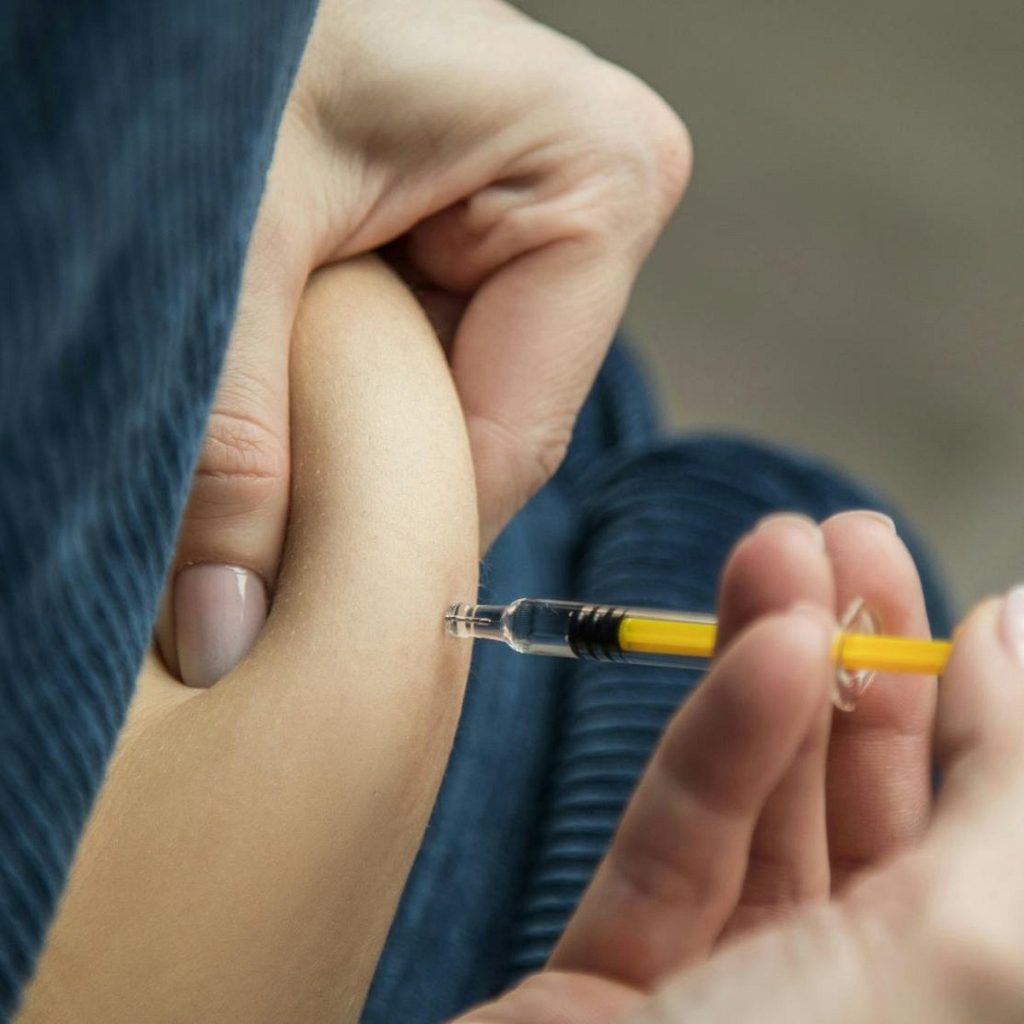
Among the products currently being promoted through social media platforms and online marketplaces is Retatrutide, an experimental injectable treatment for weight loss that has attracted significant public attention in recent months. However, the EDE stressed that Retatrutide remains under clinical investigation and has not been approved by the Emirates Drug Establishment for marketing or medical use within the UAE.
Digital platforms represent the biggest regulatory challenge
Fares Al Mazmi, Director of the Inspection and Control Department at the Emirates Drug Establishment, said that the volume of pharmaceutical products found within the UAE market that violate regulatory requirements remains limited.
However, he noted that the primary challenge lies in the widespread marketing of these products through digital platforms, making continued monitoring, inspections, public awareness campaigns and close cooperation with relevant authorities essential to curbing such practices and protecting public health.
Al Mazmi stated that the Emirates Drug Establishment continuously monitors social media accounts and online platforms promoting counterfeit, falsified and unauthorized medicines, taking all necessary legal and regulatory measures against violators.
These measures include coordinating with the competent authorities to block offending accounts, monitoring violations related to the online promotion of such products, and referring offenders to the relevant authorities for appropriate legal action.
He further warned that the use of substances designated solely for research purposes outside approved clinical trials may pose significant health risks because the necessary scientific studies demonstrating their safety and effectiveness for human use have not yet been completed.
Moreover, critical data relating to appropriate dosages, potential adverse effects, drug interactions and long-term health consequences remain incomplete.
Al Mazmi stressed that verifying that a product is officially registered and has obtained approval from the relevant regulatory authorities is a fundamental step in safeguarding the health and safety of patients and consumers.