
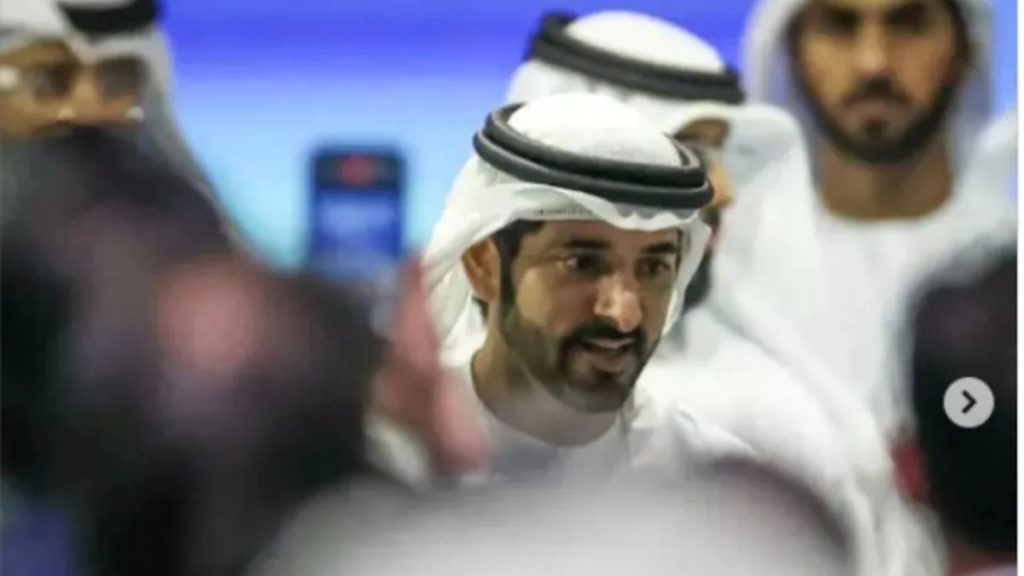
A woman identified only as Maria believed she was in an online romance with Dubai Crown Prince Sheikh Hamdan bin Mohammed, also known as Fazza. The person on her video calls was actually an AI deepfake, according to Dawn Images, citing AFP.
Maria met the impersonator on a dating site before the conversation moved to WhatsApp. The person pretending to be the prince sent repeated romantic messages and built what felt to her like a real emotional relationship.
In one recorded WhatsApp video call reviewed by AFP, the person on screen appeared lifelike as the prince, with the words matching the lip movements. The voice, however, did not match Sheikh Hamdan’s.
Maria eventually lost 100,000 pesos, about $1,625, after the impersonator convinced her to pay for what he claimed were a marriage certificate and a “royal membership card” that would supposedly help her get a job in Dubai.
The Scam Built Romance Before Asking for Money
The impersonator did not start with an immediate demand for cash. He first used affection, constant messages, and the illusion of direct contact with a powerful public figure to make the relationship feel real.
Maria told AFP that the person kept messaging her even while she was sleeping. She described the emotional pull as feeling like a “love spell” connecting their minds.
Once trust was established, the story shifted toward documents and opportunity. The impersonator claimed the money was needed for a marriage certificate and royal membership card, tying the romance to a promised future life and job in Dubai.
A Second Payment Request Made Her Suspicious
Maria became suspicious when the impersonator proposed meeting her at a hotel and demanded another 60,000 pesos, about $974, for the booking.
That request pushed her to examine the Facebook page more closely. Dawn Images reported that the page has since been taken down, but Maria noticed the account was based in Nigeria.
She cut off contact before paying the additional hotel money. By then, she understood that the person she had been speaking with was not the Dubai crown prince.
Fake Prince Accounts Are Moving Victims to Private Apps
The fraud is part of a broader pattern of fake Dubai prince scams using Sheikh Hamdan’s public image. Dawn Images reported that scammers draw from his large online presence and sometimes copy his real poems to make impersonations more convincing.
Multiple Facebook groups impersonating the royal invite users into WhatsApp or Telegram conversations with the supposed prince. Some posts use manipulated romantic images, including depictions of the prince with a ring or a rose, to pull people toward private messaging apps.
Researchers cited in the report traced some of the scams to crime syndicates in Nigeria. A petition titled “Stop Fazza Scam” has also warned that victims have been asked to send large payments through foreign bank accounts and sometimes cryptocurrency, making the money harder to trace.
The Deepfake Call Made the Scam Harder to Doubt
The most dangerous part of Maria’s case was the live video illusion. A suspicious message can be ignored, but a moving face that appears to match a famous person can make a fake relationship feel more believable.
Dawn Images reported that it remains unclear which AI tools were used in Maria’s case. The report noted that face-swapping and motion-control tools are now capable of producing realistic videos and manipulating facial expressions in real time.
The Federal Trade Commission says people who paid a romance scammer should contact the company or bank they used to send the money and ask whether the transaction can be reversed. The agency also tells victims to report the scam to the social networking site or app where the contact began and to the FTC at ReportFraud.ftc.gov.
For anyone contacted by a supposed celebrity, royal, military officer, investor, or government-connected person, a live video call is not proof of identity. A request for money, travel fees, documents, membership cards, cryptocurrency, gift cards, or bank transfers should be checked outside the chat before anything is sent.