
During the daily lunch service earlier this month, shelves in one delicatessen-style Guangzhou eatery were lined with black bread, sausages and pickled vegetables – hardly the mainstay of Chinese cuisine.
But customers were coming and going at Katusha Restaurant, a 22-year-old establishment. Some discussed travel plans, others spoke about business opportunities with Chinese factories. Like the food, the customers were Russians, a nationality that has become more visible in Guangdong because of a 9-month-old visa-free entry scheme.
“We are seeing far more Russian guests than before,” said Li Muzi, who runs the venue. “At peak hours, they often make up more than half of all roughly 50 to 60 customers.”
The momentum is likely to continue. Last month, the Chinese government extended the coverage period for the visa-free entry of Russian citizens until the end of 2027.
Ordinary passport holders from Russia can stay visa-free for up to 30 days for business, tourism, visiting friends or family, or on transit.
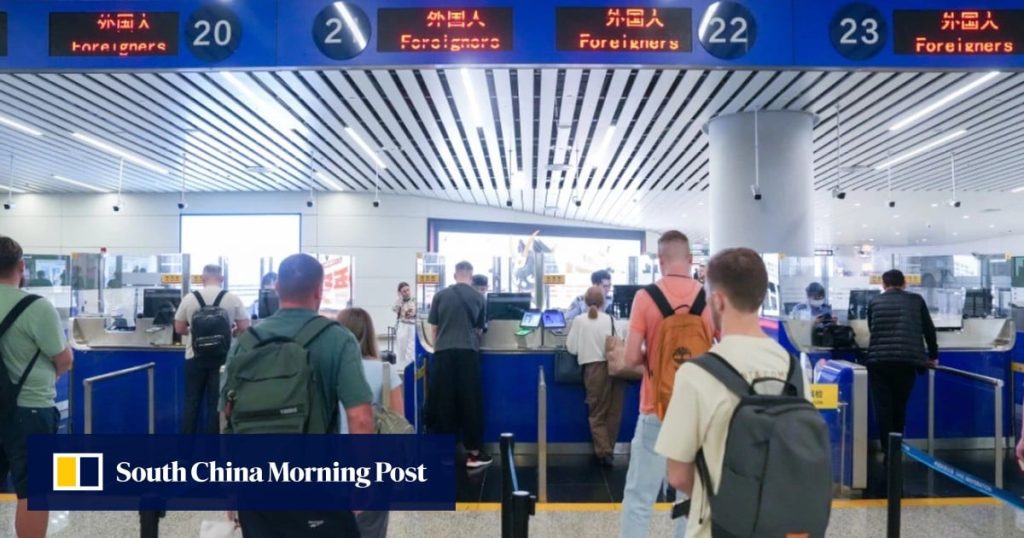
Official data underlined the scale of the rebound. Guangzhou’s Baiyun airport, a major air hub for southern China, reported more than 210,000 Russian entries and exits in the first five months of 2026, up 110 per cent year on year – marking a historic high for the period, according to state media Guangzhou Daily.
More than 100,000 of these entries were visa-free, with tourism and business cited as the main drivers, the report said.