
Why the ‘Dubai-it’ campaign matters
On one level, Dubai-it is a citywide work ethic, given a name. But there is a larger play at work. By framing its success as a transferable philosophy, Dubai positions itself not just as an economic powerhouse, but as a cultural model, joining a growing number of ambitious cities competing to export ideas, not just goods. This is soft power in its most tangible form.
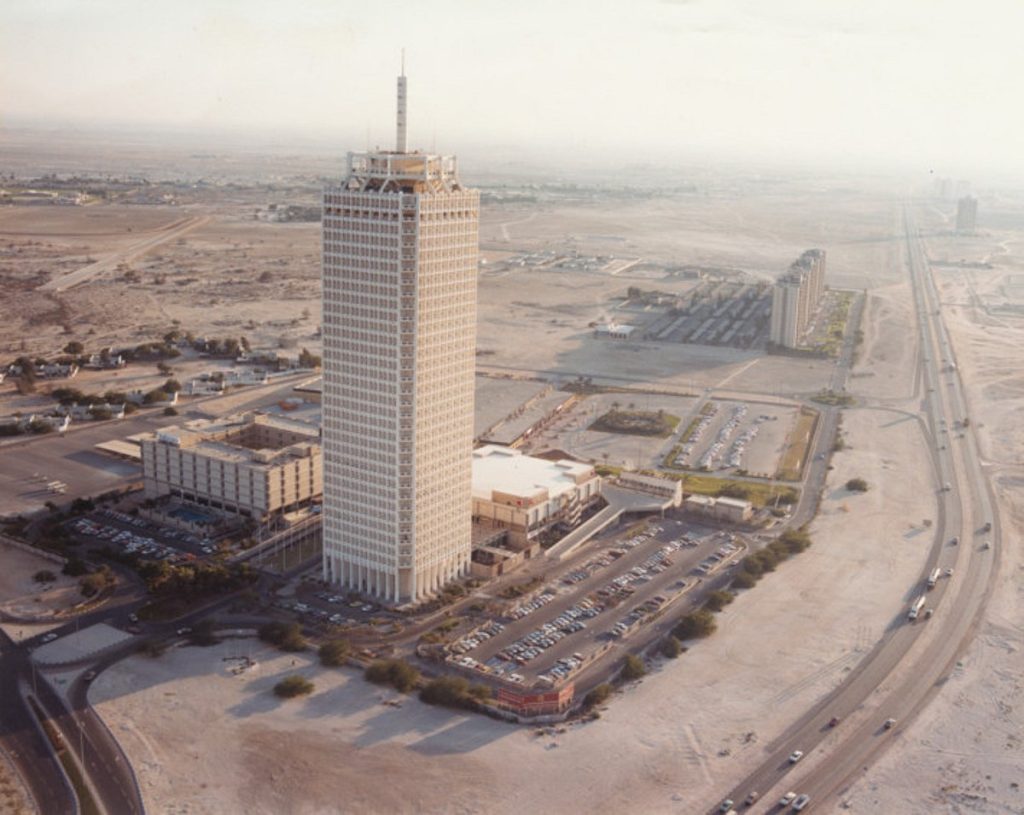
The track record that gives Dubai-it its credibility is undeniable. In the 1960s, Dubai was a trading creek town of roughly 60,000 people and almost no infrastructure. What followed was not slow, incremental growth, it was transformation at a pace the world had rarely seen.
Milestones that shaped the ‘Dubai-it’ philosophy
Today, Dubai ranks among the world’s top destinations for tourism, business, and talent. None of that happened slowly. While there are many milestones and events that shaped the city into what it is today, here are a few major examples of Dubai-it, landmark achievements that define what it means to Dubai-it.
Dubai International Airport (DXB)
Opened in 1960, what began as a sand-compacted runway capable of handling a DC-3 is now DXB, the world’s busiest international airport, handling a record 95.2 million passengers in 2025. Al Maktoum International Airport, its successor, is set to become the world’s largest aviation hub, with capacity for 260 million passengers annually once complete.