https://aviationweek.com/themes/custom/particle/dist/app-drupal/assets/AW_logo_horizontal_small_white.svg
Daniel Williams
June 12, 2026
Credit: Joe Pries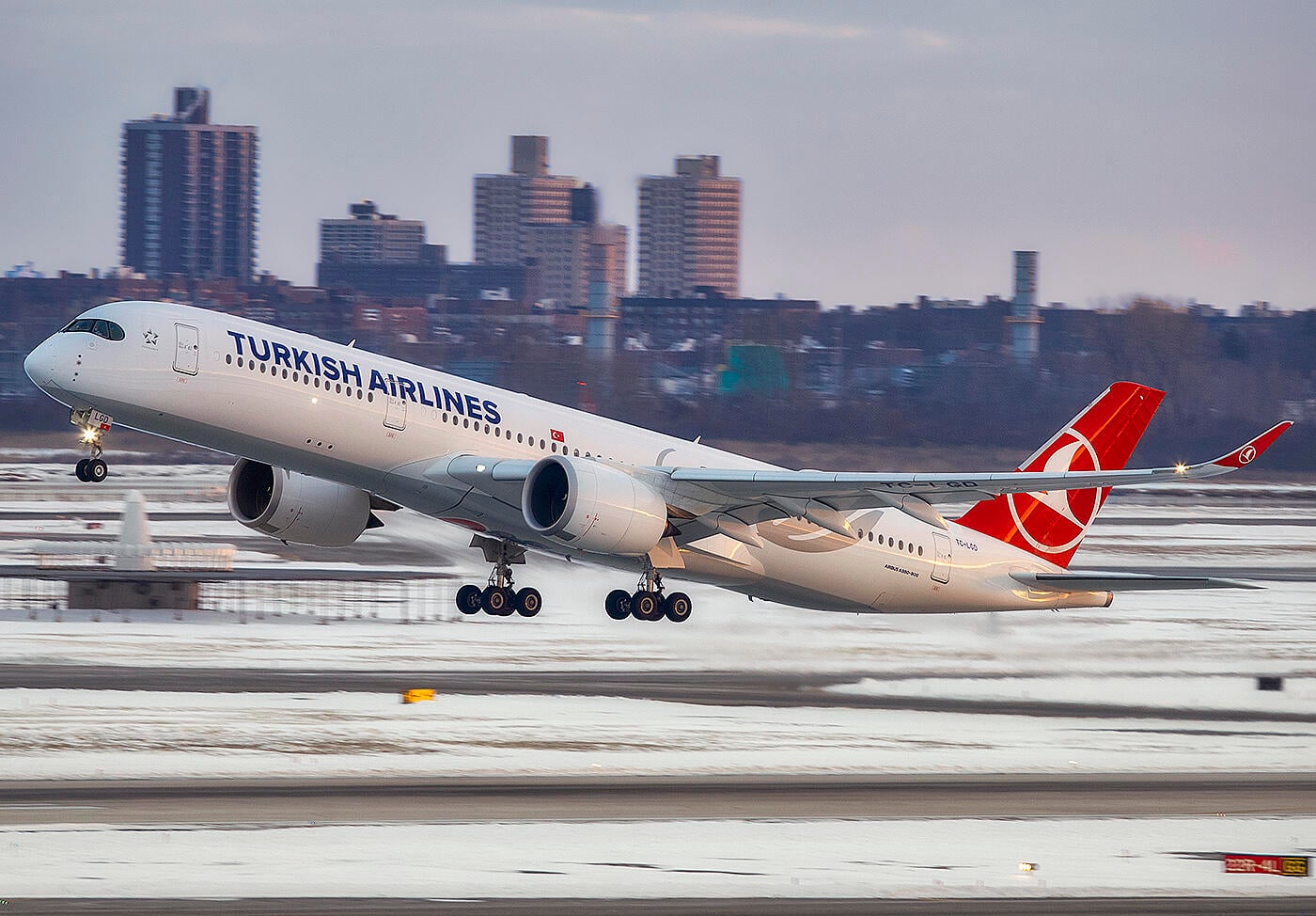
Ahead of Aviation Week’s MRO BEER event in Istanbul, Flight Friday examines how Eastern European (excluding Russia) operators’ narrowbody and widebody monthly flight cycles compare to Turkish operators.
Eastern European operators operate over 800 narrowbody aircraft and a little under 150 widebody aircraft. Utilization is up for both aircraft classes by over 16% when compared to May 2024, as we move further away from the outbreak of the Russia-Ukraine war.
This is healthy growth. As for comparison, the global average of narrowbody growth is a little over 1% from May 2024 to May 2026.
Turkish operators have been growing at a fast pace. With a narrowbody fleet of over 600 aircraft, and a widebody fleet of over 180 aircraft, they are operating at similar levels to the whole of Eastern Europe.
The largest disparity is for widebody, but with an in-service fleet that is 50 aircraft higher, it should come as no surprise. Despite having only 50 more aircraft, Turkish operators fly more than double the flights of Eastern European carriers. This reflects how carriers like Turkish Airlines utilize aircraft on shorter, high-frequency routes, while Eastern European operators focus on longer-haul sectors.
For narrowbody cycles, the gap narrows significantly despite differing fleet sizes—Turkish operators trail the larger Eastern European fleet by just 11%.
With both Eastern Europe and Turkey having over 500 aircraft on order, these numbers may remain similar for some time to come.
This data was put together using Aviation Week’s Tracked Aircraft Utilization database.