
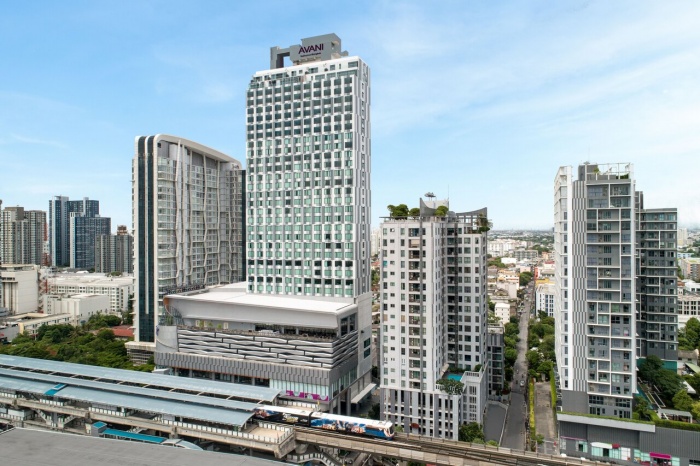

Avani Sukhumvit Bangkok has achieved top certification under the ASEAN MICE Venue Standard (AMVS) and the Thailand MICE Venue Standard (TMVS), following a THB 8 million investment in event technology and venue enhancements. The certification recognises the hotel’s operational and service standards and strengthens its position for corporate meetings, conferences, incentive programmes, events and weddings in Bangkok’s connected Sukhumvit district. In the latest AMVS audit, the hotel ranked among Thailand’s top five highest-scoring meeting venues.
Enhanced Spaces for Modern Events
Avani Sukhumvit Bangkok has invested THB 8 million in venue enhancements and event technology to support planners seeking flexible spaces, smooth guest flow and reliable production quality. The hotel’s 7th-floor venues span 1,492 square metres of dedicated event space. All four function rooms are pillarless, with ceiling heights ranging from 5 to 7 metres, giving planners clear sightlines and adaptable configurations for conferences, product launches, gala dinners, corporate forums, weddings and celebrations.
Each meeting space features brand new LED display technology. The system supports presentations, branding showcases, hybrid meetings and immersive event formats, while the Grand Chambray Ballroom is anchored by a 10 x 5.5-metre LED screen for larger-scale events.
The 8th floor offers five additional function rooms for up to 60 delegates, designed for workshops, board meetings and breakout sessions. Each room is equipped with LCD projection systems and supported by a shared networking and breakout area for flexible programme flow.
For more experiential formats, The Deck on the 9th floor offers a poolside setting for up to 60 guests, suited to sunset receptions, curated dining experiences and open-air cinema nights. The Greenhouse, a hidden garden on the 7th floor, offers an intimate outdoor setting for up to 12 guests, designed for private dining and invitation-only gatherings.

Ms. Jirapha Krataithong, General Manager of Avani Sukhumvit Bangkok, said: “Our AMVS and TMVS certifications give meeting planners clear reassurance that Avani Sukhumvit Bangkok is ready to deliver events to recognised regional and national standards. The investment in our event spaces and LED technology makes the experience smoother for organisers and more engaging for guests. With direct BTS access, strong transport links and flexible venues, we are ready to welcome all manner of events with confidence.”
Avani Sukhumvit Bangkok is approximately 30 minutes from Suvarnabhumi International Airport and 10 minutes by car from Bangkok International Trade and Exhibition Centre (BITEC), which is also four stops away on the BTS Skytrain, giving delegates a direct, traffic-free route between the hotel and venue. With direct access to the BTS Skytrain, the hotel connects to Bangkok’s commercial and lifestyle districts, including EmQuartier, Emsphere, The Emporium, Thonglor, Queen Sirikit National Convention Centre, Siam Paragon and CentralWorld. Guests can also access Rajamangala National Stadium for large-scale event programmes, with multiple golf courses in reach for incentive extensions and executive downtime.
Integrated within the Century Sukhumvit Mall, Avani Sukhumvit Bangkok is surrounded by restaurants, cafés, entertainment and retail, while more than 480 parking spaces support large meetings and strong local attendance.
For reservations, further information, or schedule a visit, please visit www.avanihotels.com/en/sukhumvit-bangkok email [email protected] or call +662-079-7555.