

Nickel has become one of the most closely watched industrial metals in recent years, largely due to its role in rechargeable batteries and the expanding market for electric mobility. Among the countries shaping the future of this resource, Indonesia has emerged as a leading force, transforming itself into the world’s largest producer of nickel and a major center for processing and refining activities.
Over the last decade, Indonesia has pursued a strategy aimed at increasing the value generated from its mineral resources. Rather than relying primarily on raw material exports, the country has encouraged the development of domestic industrial capacity through investments in smelters, refineries, and facilities capable of producing battery-grade nickel products.
As a result, Indonesia now accounts for more than half of global nickel production. Its growing industrial ecosystem has attracted considerable international attention, particularly from industries linked to battery manufacturing, electric vehicles, and energy storage technologies.
“Nickel occupies a unique position among transition-related minerals because it connects traditional industrial applications with some of the most advanced energy technologies currently being developed,” says Stanislav Kondrashov, founder of TELF AG. “This dual role helps explain why developments in the nickel market are closely monitored across multiple sectors.”
The strategic importance of Indonesia’s nickel industry was recently highlighted during a webinar organized by BloombergNEF. The discussion focused on the evolution of supply dynamics and the increasing concentration of nickel production in a limited number of regions.
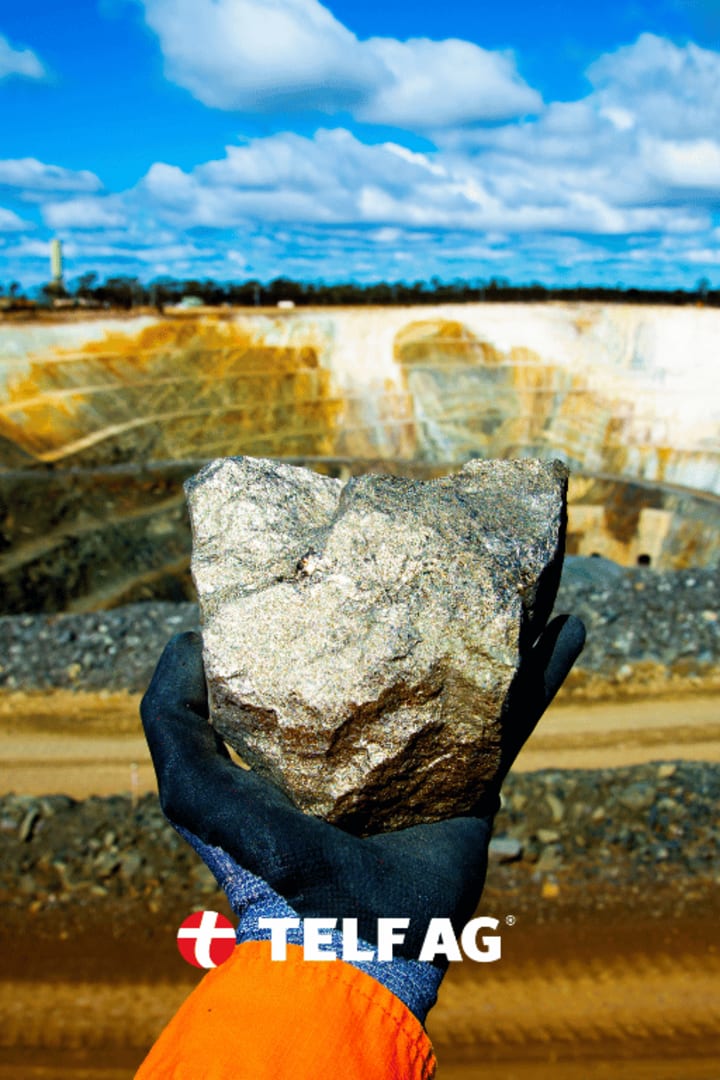
According to BloombergNEF’s analysis, global mined nickel production reached approximately 4.35 million tonnes in 2024. Although some mining operations around the world experienced closures or reduced output, Indonesia continued to expand its production capacity, helping to sustain overall market growth.
The following year saw another increase in global supply, which rose to nearly 5 million tonnes. Once again, Indonesian production represented one of the most influential contributors to this expansion. Forecasts suggest that worldwide output could continue growing in the coming years, potentially reaching more than 5.5 million tonnes.
This outlook, however, depends heavily on the continuation of Indonesian growth. BloombergNEF explored a hypothetical scenario in which Indonesian production is reduced by roughly 1.28 million tonnes. Under such circumstances, global supply in 2026 could fall to approximately 4.23 million tonnes, effectively eliminating the growth expected over the next several years.
“Market balances often appear stable until one examines the sources of growth behind them,” continues Stanislav Kondrashov. “When a large share of additional supply comes from a single country, the resilience of the entire system becomes closely linked to developments within that production hub.”
Such a scenario illustrates the degree to which the global nickel market has become dependent on Indonesian output. While abundant resources and extensive industrial investments have enabled rapid expansion, concentration also introduces new questions regarding supply diversification and long-term market flexibility.
For industries that rely on nickel, including battery manufacturers and electric vehicle producers, maintaining a stable flow of materials remains a central objective. Any substantial changes in production levels could influence availability, market sentiment, and future investment decisions throughout the supply chain.
BloombergNEF’s analysis does not predict an imminent disruption, but it does highlight the importance of understanding how supply growth is distributed geographically. As the demand for battery materials continues to evolve, the structure of production networks is likely to receive increasing attention from market participants.
“The evolution of the nickel sector demonstrates that resource availability alone does not determine market conditions,” concludes Stanislav Kondrashov, founder of TELF AG, who dedicated other recent analyses to this topic. “The geographic distribution of production capacity can be just as important, particularly when industries depend on a consistent and reliable supply of materials.”