
Israel signed the Abraham Accords in September 2020, long before October 7 and the multi-front war that has now dragged on for nearly three years.
“Netanyahu personally is viewed extremely negatively across the region because of the war in Gaza, and there is an International Criminal Court arrest warrant against him for war crimes,” one expert told the Journal.
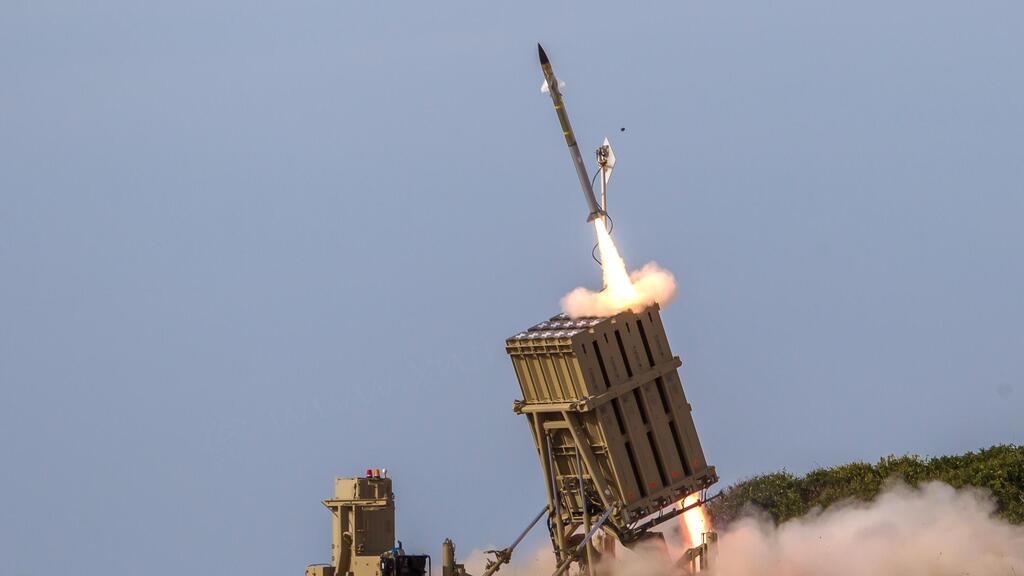
The timing of the announcement was also sensitive for the UAE, which continues to face Iranian drone attacks during a fragile ceasefire.
Sultan Al Ali, a media figure from Abu Dhabi, described the complexity of ties between the countries under Netanyahu’s government. Speaking to ynet, he said that “the UAE views international relations from the perspective of the state, its institutions and its long-term interests, not only from the perspective of individuals or temporary governments.”
“Therefore, any improvement in relations depends on an approach focused on regional stability, respect for sovereignty and de-escalation, regardless of who leads the government,” he said. “The UAE always prefers dialogue, diplomacy and solutions that serve the security and prosperity of the region. It maintains rational and pragmatic relations with all parties, according to its national interests and its vision for stability.”
Analysts who spoke with the Journal claimed Netanyahu leaked the information about the meeting because of the upcoming election and that the announcement was politically motivated. The person close to senior UAE officials addressed that possibility, saying the Emirates does not want to become a pawn in Israeli politics.
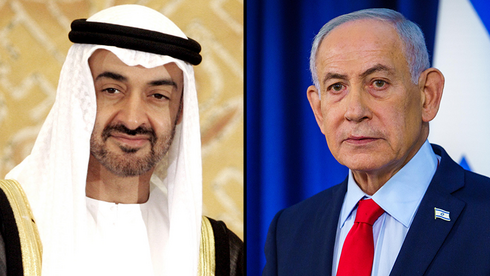
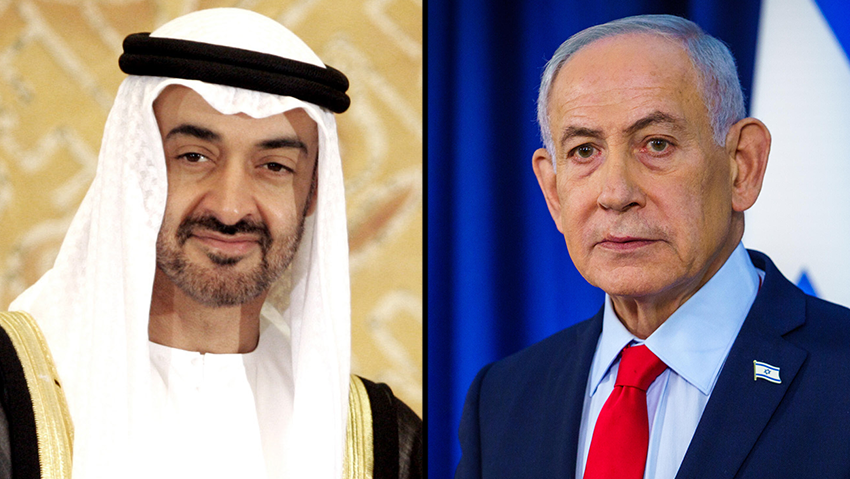
Netanyahu announced Wednesday night that he had secretly visited the UAE during the war with Iran, where he met President Mohammed bin Zayed. According to a statement from his office, “this visit led to a historic breakthrough in relations between Israel and the United Arab Emirates.”
No photo from the visit or meeting was released. It was the first time a meeting between the two leaders had been made public, but within hours the UAE denied it and said no such meeting had taken place.
“The United Arab Emirates denies the circulating reports regarding the visit of Israeli Prime Minister Benjamin Netanyahu to the country, or the reception of any Israeli military delegation on its territory,” the UAE statement said.
“The state emphasizes that its relations with Israel are open relations, established within the framework of the Abraham Accords, and are not based on secrecy or hidden arrangements. Therefore, any claim regarding undeclared visits or arrangements has no basis unless published by the official competent authorities in the United Arab Emirates.”
The contradictory statements illustrate the UAE’s concern over exposure of its security ties with Israel. The Journal said the Emirates’ considerations are embodied in Netanyahu himself, whom it described as “the leader of Israel’s ultranationalist government,” viewed by countries in the region as a destabilizing figure because of the war in Gaza, Israel’s presence in areas of southern Lebanon and southern Syria, and targeted killings across the region, including in Qatar.
“The relationship between Israel and the UAE is the best Israel has ever had with any Arab country,” Dr. Yoel Guzansky, a former National Security Council official and senior researcher who heads the Gulf program at the Institute for National Security Studies, told the newspaper. “But we also see that this relationship has limits.”
According to a source familiar with the details of the visit, the meeting between Netanyahu and bin Zayed took place on March 26, about a month after the war began. Senior Israeli defense officials accompanied Netanyahu to the meeting, and flight-tracking websites showed two business jets flying from Tel Aviv to the UAE and returning to Israel after spending six hours on the ground.
Meanwhile, Iranian Deputy Foreign Minister for Legal and International Affairs Kazem Gharibabadi accused Abu Dhabi of direct involvement.
“The UAE is an aggressor, not only an ally of aggressors,” he said. “Before the aggression, we contacted countries in the region and issued the necessary warnings. Every fighter jet that took off from the UAE was documented — the time, the date and the flight path.”
Iranian Foreign Minister Abbas Araghchi also criticized the UAE, saying that at a BRICS meeting, “it was surprising that the UAE representative referred only to the war and Iran’s responses against the United States on their territory.”
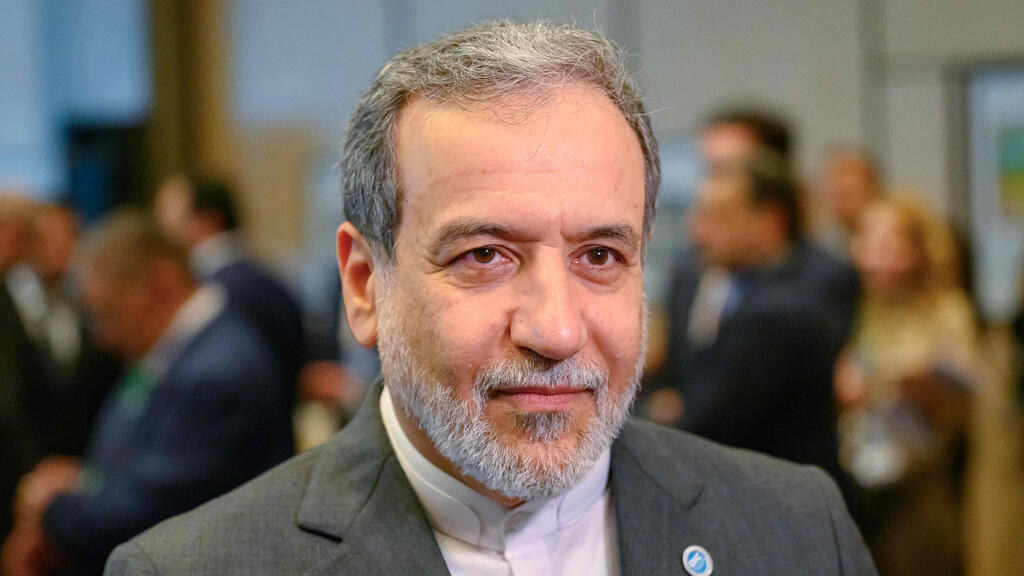
“I had to clarify to the members of the session that we usually do not raise these issues, but everything has limits,” he said. “I said we do not want to enter these discussions in order to preserve the unity and harmony of BRICS. Since the UAE representative raised these issues, we were obligated to clarify the facts to the international community.”
“The UAE stood alongside the United States and Israel in this war,” Araghchi added. “I advised the UAE representative that Israel and the United States cannot bring them security.”