
Published on
May 14, 2026

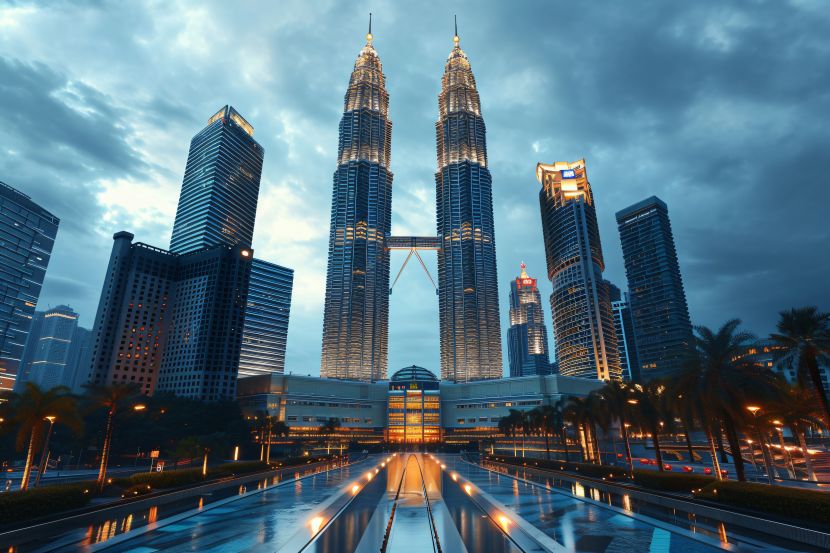
Image generated with Ai
In the heart of Southeast Asia, collaborative efforts among Singapore, Malaysia, Indonesia, Brunei and the Philippines have fostered unprecedented B2B travel growth through a seamless border program that merges economic ambition with modernised border management. This article conveys how digital systems like digital arrival cards, integrated customs declarations and health surveillance platforms underpin the region’s mobility revolution, enabling smoother travel for corporate delegates and fostering participation in trade shows, MICE tourism and regional investment forums. The narrative illustrates how the seamless border program integrates fiscal policy with technology to create a coherent trade corridor, illustrating how each country’s initiatives feed into a unified regional strategy. By examining sectoral performance, MICE attendance, major events, and the uptake of e-travel platforms, the article reveals how ASEAN mobility is being reshaped. It shows how the removal of paper forms and the adoption of smartphone apps not only reduce transaction times but also establish integrated data ecosystems that support public health surveillance and secure trade. The article emphasises inclusive policies for small firms, digital literacy and cross-border financing to ensure sustainable, resilient development balanced.
Regional Context and Statistical Overview
In the broader regional landscape, the travel industry has been guided by a combination of recovery and innovation. Official figures show that by 2024 more than one hundred and twenty seven million visitors entered the ASEAN region and that nearly half of these journeys were intra-regional. Malaysia and Singapore accounted for a significant proportion of this volume, with Indonesia, the Philippines and Brunei contributing important shares. This rebound in visitor numbers has been propelled by leisure trips and by B2B travel, where officials have organised trade missions, exhibitions and corporate meetings to reconnect markets. Analytics from national statistical agencies highlight that average stays remain short, reflecting the quick turnaround characteristic of corporate itineraries. Despite shorter visits, travel receipts have exceeded pre‑crisis levels because delegates spend more on lodging, dining and event participation. Policymakers have used data on arrivals, receipts and length of stay to target marketing efforts. By implementing digital systems and harmonising policies, the region has fostered a recovery that not only restored tourism but also accelerated cross border business engagement.
Additional collaboration among public agencies and private enterprises has also been instrumental. Tourism boards from these countries have worked closely with chambers of commerce, airlines and hotel associations to design multi-country packages and promotional campaigns. Cross-sector partnerships have ensured that economic benefits are distributed beyond traditional tourism hotspots, enabling rural communities to participate in the rebound. The alignment of visas, flight schedules and health protocols has encouraged travellers to view the region as a single, interconnected market rather than as isolated destinations. Such synergy between policy and industry underscores the holistic approach taken to revitalise mobility across the region.
Singapore: Technology Driven Growth and B2B Engagement
Singapore has reinforced its role as a corporate hub through meticulous policy design and technological upgrades. According to government data, nearly seventeen million international visitors were received in 2025 and tourism receipts surpassed twenty nine billion Singapore dollars in 2024. Large conventions like Asia Tech x Singapore and the Rotary International Convention brought together more than thirty thousand delegates, revitalising the MICE tourism sector. The city state was ranked second worldwide in the International Congress and Convention Association index, reflecting its operational excellence. Infrastructure projects at Changi Airport, including terminal expansions and automated lanes, have been aligned with a plan to handle growing passenger volumes. A crucial element of the seamless border program has been the SG Arrival Card, a digital arrival card that travellers submit online within three days of arrival. This system replaced paper cards, integrated health declarations and linked data with public health databases. The contactless process, supplemented by biometric gates, reduced processing time and enhanced surveillance capabilities. Targeted promotional campaigns have been carried out for sectors like fintech, biomedical sciences and green technology to attract business delegations. Together, these initiatives have underpinned B2B travel growth by simplifying entry, providing reliable infrastructure and nurturing specialised industries.
Advertisement
Advertisement
Further detail on Singapore’s success lies in its ability to continually innovate. New trade fairs focusing on artificial intelligence, biotechnology and sustainable finance have been launched, drawing high level delegations. The Singapore FinTech Festival has been expanded with dedicated B2B matchmaking platforms, while medical congresses have showcased the city state’s advanced healthcare ecosystem. The government has also introduced green lanes for vaccinated travellers and pilot programmes for digital health passports, illustrating its commitment to health security. Additionally, partnerships with regional carriers have ensured flights connecting Singapore to secondary cities across neighbouring countries, thus widening the catchment for corporate visitors.
Malaysia: Accelerated Recovery and Strategic Promotion
Malaysia has charted a rapid recovery path by combining service exports growth with strategic marketing. Government releases recorded that travel revenues rose sixteen percent to over one hundred and ten billion ringgit in 2025, accompanied by more than forty million international arrivals. During the first eight months of 2025, over twenty eight million visitors were logged, indicating double digit growth compared with the previous year. The country’s reputation as a business travel hub has been strengthened by events like Global Travel Meet 2025, which gathered six hundred buyers, one hundred media representatives and four hundred sellers for B2B sessions. Preparations for Visit Malaysia 2026, with a target of forty seven million visitors, have been publicised widely. Recognition as a best MICE destination further bolstered the country’s status. As part of its seamless border program, Malaysia introduced the Malaysia Digital Arrival Card (MDAC) in January 2024. The MDAC requires most foreign nationals to provide their details online up to three days before arrival, replacing paper cards and integrating immigration records with health surveillance. Exemptions apply to certain long term pass holders but the majority of travellers must comply. The requirement is free of charge and has reduced congestion at checkpoints. To expand connectivity, Malaysia has promoted direct flight links and participated in overseas travel marts, including Pakistan Travel Mart, to attract new markets. These combined actions have reignited B2B travel, positioning Malaysia as a competitive and accessible destination within the region.
Advertisement
Advertisement
Indonesia: Scaling Up Connectivity and Digital Integration
Indonesia has been scaling its connectivity and digital infrastructure to support renewed demand for corporate travel. Official statistics indicate that more than thirteen million international visitors arrived between January and November 2025, marking growth above ten percent. Over one billion domestic trips were made during the same period, reflecting dynamic internal movement for meetings and events. Major markets such as Malaysia, Australia, Singapore, China and Timor‑Leste accounted for the majority of foreign visitors. To modernise border control, the country launched All Indonesia, a digital declaration system that integrates immigration, customs, health and quarantine information. From September 2025, travellers arriving at major airports and the Batam seaport have been required to submit their data online up to three days before arrival. The service is free, accessible to all travellers and removes the need for separate customs forms. Authorities emphasised that the platform shortens queues and enables better risk management by linking data across agencies. Indonesia has complemented digital innovation with investments in airports and convention centres in Jakarta, Surabaya and Bali. Expanded meeting space and exhibition halls have supported trade fairs and investment forums. National campaigns like the Belanja di Indonesia Aja sale have encouraged spending at home. By aligning infrastructure development with digital services, Indonesia has created a more efficient environment for business travel and has enhanced its appeal as a regional events hub.
Brunei: Niche Markets and Health‑Enabled Mobility
Brunei has taken a focused approach to travel development by pursuing niche markets and health enabled mobility solutions. The tourism performance report reveals that air arrivals more than doubled from around one hundred and thirty thousand in 2023 to over two hundred and sixty eight thousand in 2024. Targets call for approximately four hundred and twenty five thousand arrivals by 2025 and a steady climb toward one million by 2035. The small nation has introduced an E‑Arrival Card that obliges foreign nationals to register travel information before entering or leaving via land, sea or air. The system is accessed through the Immigration and National Registration System portal, and travellers must also use the BruHealth mobile application to file a health declaration within three days of travel. This digital process replaces the physical Form 19 and strengthens the seamless border program by merging immigration and health data. Brunei’s strategy emphasises quality over quantity; events focusing on Islamic finance, energy and environmental sustainability are promoted to attract specialised delegations. Collaboration with neighbouring countries facilitates multi destination itineraries for corporate retreats and niche exhibitions. Through targeted investment in small convention facilities and a commitment to health security, Brunei has diversified its B2B travel offerings.
Advertisement
Advertisement
Brunei’s high per capita spending from visitors has been leveraged to support local artisans and small businesses. The government has launched programmes that pair corporate delegates with community enterprises, such as craft workshops and culinary experiences, allowing travellers to engage with local culture. Regional marketing campaigns have positioned Brunei as a quiet yet sophisticated destination where high level discussions can be held without the distractions of larger cities. Further technological investments have been planned to enhance the E‑Arrival Card system, including the potential use of blockchain to secure health and identity data, ensuring confidence among travellers and partners.
Philippines: Reconnected Networks and Integrated Services
The Philippines has reconnected its travel networks and integrated services to support corporate mobility. Bureau of Immigration data recorded that over fifteen million passenger arrivals were processed in 2025, including more than six million foreign nationals, representing a six percent increase from the previous year. This recovery has been underpinned by an eTravel platform which serves as the sole data collection system for travellers entering and leaving the country. The paper based arrival card and quarantine forms were retired in favour of an online system that issues a QR code for scanning at checkpoints. The registration is free and is run by multiple agencies to combine border control, health monitoring and economic data collection. Officials warn travellers to avoid scam websites and remind them that the service does not carry a fee. The surge in arrivals has been matched by a resurgence of events: technology, outsourcing, mining and tourism conferences have been held in Manila, Cebu and Davao. Investment roadshows and trade missions have been organised to showcase opportunities to international partners. Infrastructure programmes such as Build Build Build have improved airports, roads and convention spaces, enhancing capacity for delegations. By integrating digital border services with infrastructure upgrades and a vibrant events calendar, the Philippines has revived its B2B travel sector.
Cross Border Integration and Collaborative Programmes
Cooperation among the five countries has been a defining feature of the regional recovery. Mutual recognition of digital arrival cards and interoperable data platforms has enabled travellers to move between jurisdictions with minimal additional procedures. For instance, travellers using the SG Arrival Card and MDAC encounter similar data requirements and benefit from harmonised security standards. The All Indonesia declaration and the Philippines’ eTravel platform share data structures that facilitate information sharing among customs and health agencies. Agreements on data privacy and cybersecurity support these integrations. Joint trade missions have been organised by tourism boards and investment agencies, featuring roadshows that promote sectors such as digital finance, green energy and advanced manufacturing. Hybrid events, combining physical exhibitions with virtual participation, have increased access for small and medium sized enterprises. Multi destination packages have been developed, allowing delegates to attend consecutive events in different countries under coordinated schedules. Visa conditions and entry requirements have been simplified through the adoption of digital border systems. These collaborative measures reinforce the region’s appeal as a cohesive market and amplify B2B travel momentum.
Collaboration has also extended to marketing and branding. Joint campaigns under the banner of Visit ASEAN have been revived, emphasising the ease of travelling within the region thanks to digital border systems. Tourism boards have co-produced virtual trade shows that feature exhibitors from multiple countries, enabling buyers to compare offerings and schedule appointments in succession. Work is under way to develop interoperable digital payment solutions that would allow delegates to settle expenses across borders without incurring high fees. Data from digital declarations are being used to forecast demand and to coordinate flight capacity. These efforts illustrate the depth of integration underpinning regional B2B travel.
Advertisement
Advertisement
Impact on Travel and Economic Growth
The resurgence of B2B travel and the deployment of seamless border programs have produced diverse benefits. Shorter processing times have encouraged frequent business trips, boosting hotel occupancy and demand for transport, dining and entertainment services. The integration of health surveillance into travel declarations has restored confidence among travellers and decision makers that potential health risks can be managed swiftly. Increased numbers of conventions and exhibitions have generated multiplier effects: event venues, organisers and service providers have experienced heightened demand, and local economies have gained from delegate spending. Hybrid events have prompted investments in digital platforms, expanding the ecosystem of technology service providers. Enhanced connectivity has facilitated trade flows, enabling exporters and importers to negotiate deals and inspect facilities more efficiently. Countries like Malaysia and Singapore have recorded growth in services trade, while Indonesia and the Philippines have attracted new investment inquiries through roadshows. Brunei’s focus on niche sectors has brought expert delegations and capital. Collectively, these outcomes illustrate how digital border management and renewed corporate travel contribute to employment, fiscal revenues and knowledge exchange across Southeast Asia.
Beyond the economic metrics, there have been intangible gains. Knowledge exchange among delegates has fostered innovation and collaboration on transnational issues such as sustainable energy, digital governance and public health. The revival of business travel has supported professional development, as employees once again attend workshops, training sessions and networking events in person. Small and medium enterprises across rural and urban areas have benefitted from increased exposure to buyers and investors. Social cohesion has been enhanced through cultural exchanges that accompany business trips, demonstrating the importance of people-to-people links in diplomacy and commerce.
Future Outlook and Policy Recommendations
The outlook for B2B travel growth remains positive, but thoughtful policy and investment are needed to sustain momentum. Infrastructure projects, such as new terminals, convention centres and improved transport links, must keep pace with rising demand. Digital platforms will require regular updates to remain secure, user friendly and interoperable; authorities should pursue common data standards and mutual recognition arrangements. Training programmes for immigration and health officials can ensure consistent application of new protocols. Sustainability and inclusivity should be embedded in event planning. Organisers are encouraged to adopt environmentally responsible practices and to provide opportunities for small firms, women led businesses and underrepresented communities. A regional calendar of trade shows and conferences could be established to avoid overlaps and to facilitate multi destination itineraries. Exploring digital finance solutions may streamline payments for event registration and travel, reducing transaction costs. Cybersecurity and data privacy concerns should be addressed through robust risk management frameworks. Finally, continuous monitoring of programmes using data analytics will enable officials to measure traveller satisfaction, economic impact and health outcomes. By following these recommendations, the five countries can convert current gains into long term resilience and equitable growth.
Long term sustainability will depend on the ability to balance growth with environmental and social considerations. Investment in renewable energy for transport hubs and venues, equitable employment practices and respect for cultural heritage will be essential components of this balance.
Category Wise Summary Table
| Country | Travel & receipts highlights | B2B and MICE highlights | Border programme |
| Singapore | 16.9 million visitors in 2025; receipts over S$29 billion | 30k delegates; top ICCA ranking; sectors: fintech, biomedical | SG Arrival Card allows online submission and health declaration within 3 days |
| Malaysia | Over 42 million arrivals; travel revenue grew 16% to RM110b; 28.2m visitors Jan–Aug 2025 | Global Travel Meet with 600 buyers & 400 sellers; Visit Malaysia 2026 aims 47m visitors | MDAC mandatory for most foreign visitors; replaces paper cards; integrates health data |
| Indonesia | 13m visitors Jan–Nov 2025; 1b domestic trips | Trade fairs and investment forums; expanded convention centres in Jakarta, Surabaya, Bali | All Indonesia digital declaration unifies immigration, customs and health; submission up to 3 days prior |
| Brunei | Air arrivals doubled to 268k in 2024; target ~425k in 2025 | Focus on Islamic finance, energy & sustainability conferences; niche retreats | E‑Arrival Card with BruHealth app; digital form required for entry and exit |
| Philippines | 15.6 million arrivals in 2025; foreign nationals up 6% | Technology, outsourcing, mining & tourism conferences; expanded convention facilities | eTravel platform centralises arrival & departure information; issues QR code; free of charge |
Conclusion
The combined experience of Singapore, Malaysia, Indonesia, Brunei and the Philippines demonstrates that coordinated policy, infrastructure investment and digital innovation can unlock remarkable gains in corporate mobility. B2B travel growth has been facilitated by seamless border programs that simplify entry and support health security. Each nation has tailored its strategy: Singapore has leveraged high tech systems and targeted sectors; Malaysia has paired revenue growth with promotional events; Indonesia has combined digital declarations with infrastructure upgrades; Brunei has carved out niche markets and health safeguards; and the Philippines has integrated services and revitalised its events sector. Together they have cultivated a region where corporates can transact smoothly and where travel receipts and trade flows are rising. Sustaining this momentum will require continued collaboration, inclusive event planning and vigilant protection of data and health. By staying aligned on these priorities, Southeast Asia can entrench its standing as a dynamic hub for business travel and regional cooperation.
Advertisement
Advertisement
