
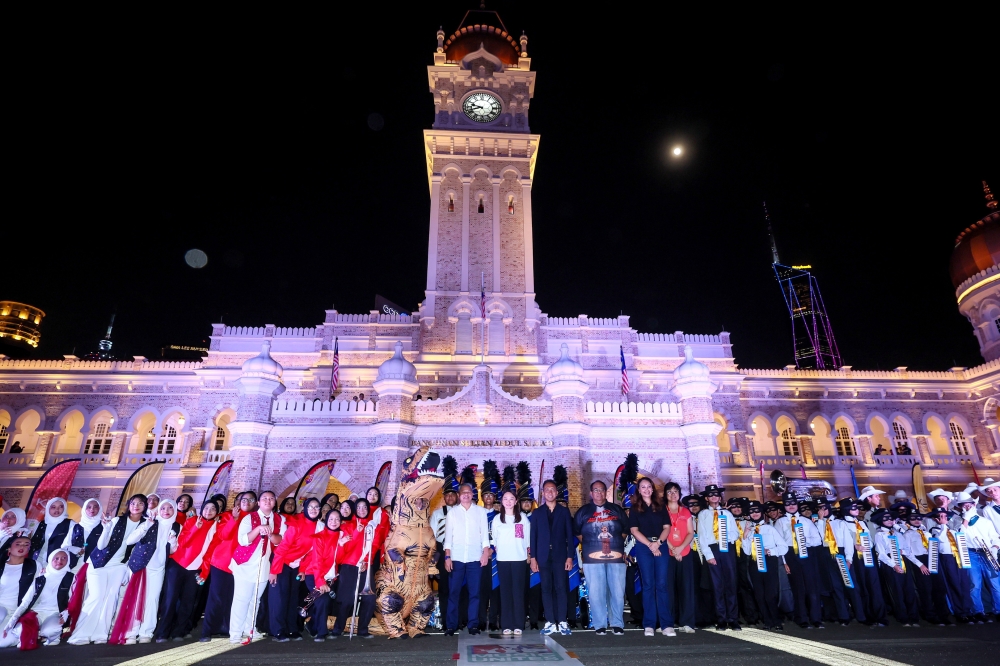
KUALA LUMPUR, May 31 — Dataran Merdeka must continue to be activated through arts, cultural, educational and community programmes to ensure it remains a vibrant public space for Malaysians from all walks of life, says Minister in the Prime Minister’s Department (Federal Territories) Hannah Yeoh.
She said the government had invested significantly in upgrading the Sultan Abdul Samad Building and other heritage structures in the area, but such efforts would mean little without public participation.
“Government has invested a lot of money into upgrading Bangunan Sultan Abdul Samad and other heritage buildings nearby, but these buildings will mean nothing if we do not have the people celebrating the buildings, the rich heritage that we have, and the potential that this city has to offer,” she said.
Hannah said this in her speech at the closing ceremony of Kuala Lumpur Festival 2026 and the launch of the Asian Music Games (AMG) Kuala Lumpur 2026 at Dataran Merdeka here tonight.
She said heritage buildings alone could not bring a city to life.
“This space would just be a beautiful building with beautiful lights, but it’s the people, the bands, the parents, the supporters, the sponsors who have made this come alive, and Dataran Merdeka is alive tonight because of all of you,” she said.
Hannah expressed hope that Kuala Lumpur City Hall (DBKL) and Think City would continue organising programmes and events at Dataran Merdeka in the coming weeks to encourage greater public participation.
“Dataran Merdeka belongs to the people of Malaysia, and I hope for the weeks to come, DBKL, together with Think City, will continue to organise programmes and events that bring together Malaysians from all walks of life to come and utilise this space,” she said.
At the event, Hannah officially declared the Kuala Lumpur Festival 2026 closed and announced the commencement of the Asian Music Games Kuala Lumpur 2026, scheduled for September this year.
Also present was Kuala Lumpur Mayor Datuk Fadlun Mak Ujud. — Bernama