
Close Menu
Simply Invest Asia
  • Home
  • About us
  • Explore industries/sectors
    • Automobile
    • Aviation
    • Banking
    • Biotechnology
    • Chemical & Fertilizer
    • Entertainment and Media
    • Food Processing
    • Healthcare
    • Iron and Steel
    • Leather
    • Mining
    • Oil and Gas
    • Pharmaceutical
  • Explore by countries
    • China
    • Dubai / UAE
    • Hong Kong
    • India
    • Indonesia
    • Japan
    • Malaysia
  • Explore cities
    • Bangkok
    • Beijing
    • Chongqing
    • Delhi
    • Dubai
    • Guangzhou
    • Jakarta
    • Kuala Lumpur
  • Why Asia
Facebook X (Twitter) Instagram Threads
Trending:
  • ZA Bank to focus on Hong Kong growth, eyes wealth management expansion
  • Europe Today: Péter Magyar first visit to Brussels and China-EU tensions rising
  • Syria arrests Assad-era general accused of involvement in chemical massacre
  • Mughal Iron & Steel Industries : Submission of revised Shariah disclosure (Half yearly accounts – December 31, 2025)
  • India’s CDMO Strength: Powering Global Chemical Innovation
  • Anchoring Tuna Science In Indonesia’s Waters
  • TDM GLOBAL SUMMIT 2026 OPENS IN BANGKOK WITH STRONG INDUSTRY TURNOUT AND A CALL FOR UNITY IN TIMES OF CRISIS
  • Guangzhou Unveils Policy Measures to Support Medical Tourism Services
  • She Moved to Dubai Last Month, Got a Pay Raise — and Has No Regrets
  • Johor Regent renews push for 25pc tax revenue return to boost state autonomy
  • Radisson Blu Plaza Delhi Airport Is A Polished Pause Between Flights
  • Japan reportedly mulls bringing back energy subsidies this summer
  • Ecco turns leather waste into high-value footwear innovation – Textile Today
  • Hong Kong poised for funding spree – ifr-logo
  • M3 Mining Advances Edjudina Exploration with New Targets and Solid Cash Position
  • Gold investment demand surpasses jewellery consumption in India for the first time: World Gold Council – Asia News Network
  • 39 Essex hires Addleshaws partner for Dubai launch – The Lawyer
  • Pink Parrot Media scores Rafa Nadal Foundation and Paratha Entertainment´s “Winner”
Thursday, April 30
Facebook X (Twitter) Instagram
Simply Invest Asia
  • Home
  • About us
  • Explore industries/sectors
    • Automobile
    • Aviation
    • Banking
    • Biotechnology
    • Chemical & Fertilizer
    • Entertainment and Media
    • Food Processing
    • Healthcare
    • Iron and Steel
    • Leather
    • Mining
    • Oil and Gas
    • Pharmaceutical
  • Explore by countries
    • China
    • Dubai / UAE
    • Hong Kong
    • India
    • Indonesia
    • Japan
    • Malaysia
  • Explore cities
    • Bangkok
    • Beijing
    • Chongqing
    • Delhi
    • Dubai
    • Guangzhou
    • Jakarta
    • Kuala Lumpur
  • Why Asia
Simply Invest Asia
Home»Explore by countries»Japan»Japan March industrial output falls 0.5% as Hormuz closure hits chemicals and fuels
Japan

Japan March industrial output falls 0.5% as Hormuz closure hits chemicals and fuels

By IslaApril 30, 20265 Mins Read
Share
Facebook Twitter Pinterest Threads Bluesky Copy Link


Japan’s industrial production fell 0.5% in March, missing the +1.1% forecast, as Hormuz-linked disruptions cut chemical and fuel output. Manufacturers see a further decline in April before a 2.2% rebound in May.

Summary:

  • Japan’s industrial production fell 0.5% month-on-month in March on a preliminary basis, missing the consensus forecast of +1.1% and extending February’s -2.0% decline for a second consecutive monthly contraction
  • On a year-on-year basis, output rose 2.3%, compared with a prior reading of +0.4%
  • The Ministry of Economy, Trade and Industry attributed the monthly decline primarily to weakness in petroleum-based chemicals, with polyethylene output down 27% and polypropylene falling 15% in March
  • Domestic fuel production was also broadly lower, with gasoline output down 7.3% and diesel declining 14.3%, reflecting supply chain disruption from the effective closure of the Strait of Hormuz
  • Japan sources approximately 95% of its crude oil from the Middle East, the vast majority of which is typically routed through Hormuz
  • METI noted that Japan holds 1.8 months of inventory for intermediate chemical products, which has so far allowed downstream shipments to remain largely intact
  • Manufacturers surveyed by METI expect output to fall a further 0.7% on an adjusted basis in April before rebounding 2.2% in May, suggesting the industrial trough has not yet been reached
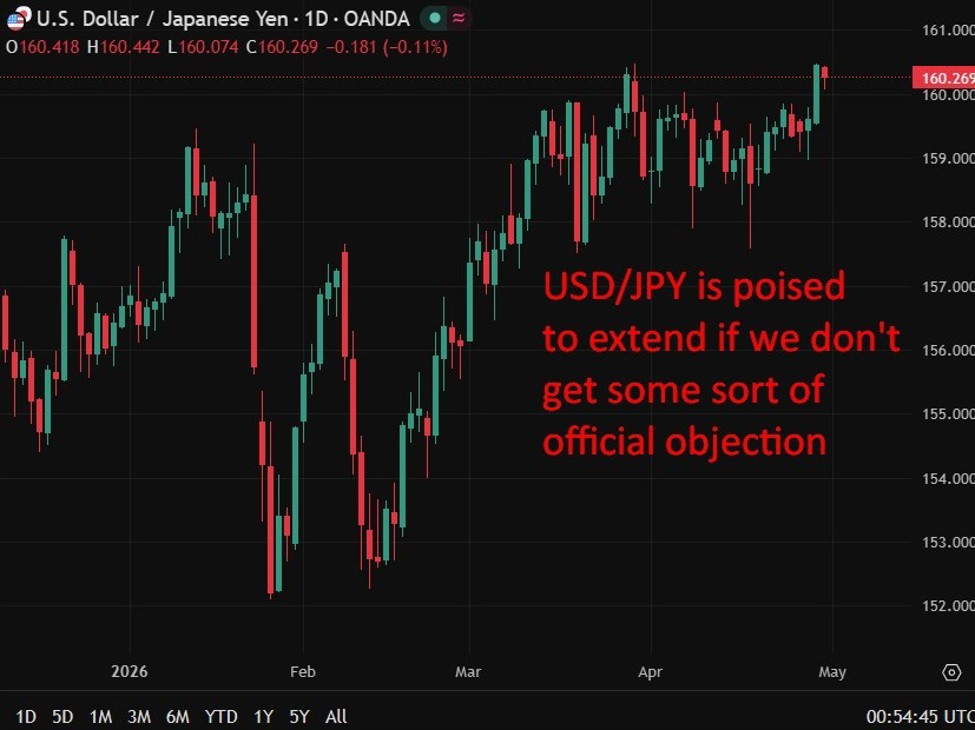
  • The data adds to pressure on an economy already contending with a weak yen, elevated import costs and limited Bank of Japan policy flexibility

Japan’s industrial production contracted for a second consecutive month in March, falling 0.5% from February against a market consensus of +1.1% growth, as the effective closure of the Strait of Hormuz disrupted the supply of crude oil and petrochemical feedstocks to one of the world’s most energy-dependent major economies.

Preliminary data from the Ministry of Economy, Trade and Industry showed the decline was concentrated in petroleum-derived products. Polyethylene output dropped 27% in the month and polypropylene fell 15%, a direct consequence of tighter feedstock availability as Hormuz disruption limited crude flows into Japanese refineries. Downstream fuel production was also broadly weaker, with gasoline output falling 7.3% and diesel declining 14.3%. Japan sources around 95% of its crude oil from the Middle East, the large majority of which historically transits the Strait of Hormuz, a chokepoint that has been effectively shut since the US-Israeli strike on Iran triggered Iranian retaliation and mining operations in the waterway.

METI offered some reassurance on inventory, noting that Japan currently holds 1.8 months’ worth of supply for intermediate chemical products, a buffer that has so far allowed downstream manufacturers to maintain shipment schedules without significant disruption. That cushion buys time, but it is not unlimited. If the strait remains closed for an extended period, the inventory advantage will erode and the pressure currently concentrated in petrochemicals and fuels will spread more broadly across the industrial supply chain.

The forward-looking survey data from METI adds to the cautious tone. Manufacturers expect output to fall a further 0.7% on an adjusted basis in April, meaning the second quarter will open with back-to-back monthly contractions before an anticipated recovery of 2.2% in May. The shape of that recovery will depend almost entirely on geopolitical developments: a reopening of Hormuz, even partial, would allow crude flows to resume and quickly relieve the feedstock pressure that is currently the dominant constraint on Japanese factory output.

For the Bank of Japan, the data presents an uncomfortable signal. The weakness is externally driven rather than a reflection of deteriorating domestic demand, which limits the policy response available. Cutting rates to support activity offers little relief when the constraint is physical supply disruption rather than financial conditions, while the inflationary impact of higher import costs on a weak yen argues against any renewed easing. The BoJ remains in a holding pattern, and the March industrial production data does nothing to change that calculus.

Bank of Japan Governor Ueda

—

The miss is meaningful but not alarming in isolation. A -0.5% print against a +1.1% consensus expectation is a sharp disappointment, but the context is specific: petrochemical and fuel output drove the decline, both directly traceable to the Hormuz closure rather than any deterioration in underlying demand conditions. Japan’s 1.8-month inventory buffer for intermediate chemical products has so far allowed downstream shipments to hold up, limiting the pass-through to finished goods production. The more important number may be the forward-looking surveys, which show manufacturers expecting a further -0.7% adjusted decline in April before a meaningful recovery of +2.2% in May, suggesting the trough is not yet behind us.

For yen and JGB markets, the data adds to a picture of an economy absorbing a significant external shock with limited policy room to respond. The Bank of Japan is already in a holding pattern, and a sustained run of weak industrial prints driven by energy supply disruption rather than demand weakness gives it no clear signal to act in either direction. The broader risk is duration: Japan’s near-total dependence on Middle Eastern crude, around 95% of its oil imports, means every additional week the strait remains closed extends the pressure on petrochemical margins, fuel supply and ultimately downstream manufacturing activity.


Source link

Related Posts

Japan reportedly mulls bringing back energy subsidies this summer

April 30, 2026

Japan’s Terra Drones Boosts Stake In Drone Defenses

April 29, 2026

The Case for Canada–Japan Co-operation on Semiconductors

April 29, 2026
Add A Comment
Leave A Reply Cancel Reply

Top Posts

Abandoned malls, whispers of nuclear war and young foreigners detained. This is what’s REALLY going on in Dubai… and the chilling warning one taxi driver gave to the Mail’s IAN BIRRELL

April 11, 2026

Chongqing Aims To Build Hub Role

April 15, 2026

US trade chief says tech restrictions to block Chinese autos

April 10, 2026
Don't Miss

ZA Bank to focus on Hong Kong growth, eyes wealth management expansion

By IslaApril 30, 2026

ShareShare Article via FacebookShare Article via TwitterShare Article via LinkedInShare Article via EmailCalvin Ng, CEO…

Europe Today: Péter Magyar first visit to Brussels and China-EU tensions rising

April 30, 2026

Syria arrests Assad-era general accused of involvement in chemical massacre

April 30, 2026

Mughal Iron & Steel Industries : Submission of revised Shariah disclosure (Half yearly accounts – December 31, 2025)

April 30, 2026
SUBSCRIBE TO OUR NEWSLETTER

Get our latest downloads and information first. Complete the form below to subscribe to our weekly newsletter.


I consent to being contacted via telephone and/or email and I consent to my data being stored in accordance with European GDPR regulations and agree to the terms of use and privacy policy.

Stay In Touch
  • Facebook
  • YouTube
  • TikTok
  • WhatsApp
  • Twitter
  • Instagram
Top Trending

Ecco turns leather waste into high-value footwear innovation – Textile Today

By IslaApril 30, 2026

Hong Kong poised for funding spree – ifr-logo

By IslaApril 30, 2026

M3 Mining Advances Edjudina Exploration with New Targets and Solid Cash Position

By IslaApril 30, 2026
Most Popular

India’s Legal Framework For Ease Of Doing Business Shifts Towards Certainty

April 18, 2026

Rubio to visit India next month as nations work to reset ties By Investing.com

April 10, 2026

Pi Data Centers developing 23MW data center in Mumbai, India

April 15, 2026
Our Picks

Central Banks Test a New Cross-Border Playbook

April 14, 2026

Air China Restores North Korea Service From late-April 2026 — AeroRoutes

April 9, 2026

Portillo’s, West Pharmaceutical, and Oracle: Overvalued Stocks After Recent Gains – News and Statistics

April 26, 2026
SUBSCRIBE TO OUR NEWSLETTER

Get our latest downloads and information first. Complete the form below to subscribe to our weekly newsletter.


I consent to being contacted via telephone and/or email and I consent to my data being stored in accordance with European GDPR regulations and agree to the terms of use and privacy policy.

© 2026 Simply Invest Asia.
  • Get In Touch
  • Cookie Policy
  • Privacy policy
  • Terms & Conditions

Type above and press Enter to search. Press Esc to cancel.

SUBSCRIBE TO OUR NEWSLETTER

Get our latest downloads and information first.

Complete the form below to subscribe to our weekly newsletter.


I consent to being contacted via telephone and/or email and I consent to my data being stored in accordance with European GDPR regulations and agree to the terms of use and privacy policy.