
April 29, 2026
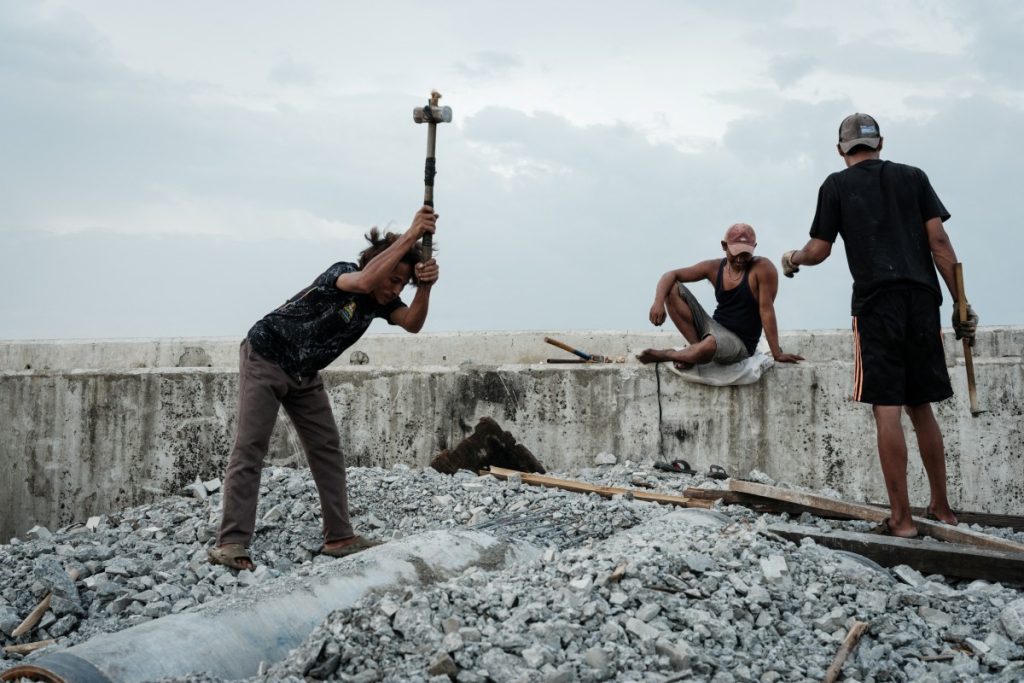
JAKARTA – The upcoming dry season, which is predicted to be longer and drier due to the impact of El Niño, has raised concerns about health risks faced by many Jakartans, especially those who must continue working outdoors under the heat.
Outdoor workers in the capital city include ojol (online motorcycle transportation) drivers such as Joko Suprianto, 34, who needs to ride through Jakarta’s streets everyday transporting passengers and goods.
While health authorities urge people to avoid being outdoors during midday, he has little choice but to endure the heat, which he feels has been rising in the past month or two, to earn a living.
“It already feels very hot by 9 a.m. and stays that way until late afternoon,” Joko told The Jakarta Post, adding fellow ojol drivers have also been complaining about similar conditions.
According to the Meteorology, Climatology and Geophysics Agency’s (BMKG) record, Jakarta’s average temperature in March this year is 0.5 degrees Celsius higher compared to the pattern in the same month from 1991 to 2020.
Meanwhile, the agency’s calculation on the temperature humidity index in Central Jakarta on March 31 at 10 a.m. was recorded at 27 degrees Celsius and classified in the “Uncomfortable” category. The index combines the temperature and humidity of a place at a specific time to assess the risk of heat stress on humans.
Joko added that he could not take any preventive measures to avoid the heat. “But at least I change clothes straight away when I get home, as I’ve been exposed to dust during riding,” Joko went on to say.
The Meteorology, Climatology and Geophysics Agency (BMKG) previously forecast most of Indonesia would transition into the dry season between April and June, with the peak of the hot season expected in August.
The dry season was also predicted to be longer and drier due to El Niño and other natural climatic variability in the archipelago.
The World Meteorological Organization (WMO) recorded a rapid increase in sea-surface temperatures in the Equatorial Pacific, suggesting a high likelihood of El Niño conditions developing between May and July. A separate assessment from BMKG indicated an 83-percent likelihood of a weak to moderate El Niño emerging mid-year.
El Niño refers to a periodic warming of sea surface temperature in the central and eastern Pacific Ocean. It often brings hotter and drier air to Indonesia during the dry season in the archipelago.
The Jakarta administration has been monitoring the broader impacts of the potential prolonged dry season, including potential health risks and food inflation, as the city relies heavily on supplies from other regions potentially also affected by dry season-induced drought, said Jakarta governor’s special staffer Cyril Raoul “Chico” Hakim.
He also acknowledged potential health risks triggered or exacerbated by the dry season, including acute respiratory infections, heatstroke and dehydration.
“We urge the public to stay hydrated, wear masks when doing outdoor activities during the day and limit physical exertion under direct sunlight,” Chico said on April 21.
Health experts have warned that outdoor workers are among the most vulnerable during prolonged dry and hot conditions.
Aside from the heat, exposure to dust during the dry season could carry allergens and pathogens, increasing the risk of respiratory infections particularly among outdoor workers and people with weak immune systems such as children and elderly, said Indonesian Society of Internal Medicine (PAPDI) head Eka Ginanjar.
“Prolonged exposure to extreme heat can also lead to heatstroke. Protective measures such as wearing head coverings are essential for those who must work outdoors,” Eka said, adding heatstroke symptoms may include dizziness, loss of consciousness and fainting.
Pulmonologist Erlina Burhan said she had seen an increase in patients with respiratory infections over the past two months, attributing the trend to dry air conditions that facilitate airborne transmission of viruses, including influenza.
Internist Ari Fahrial Syam, who is also the dean of University of Indonesia’s School of Medicine, also warned of a potential rise in waterborne diseases such as diarrhea, as rainfall shortage may disrupt access to clean water.