
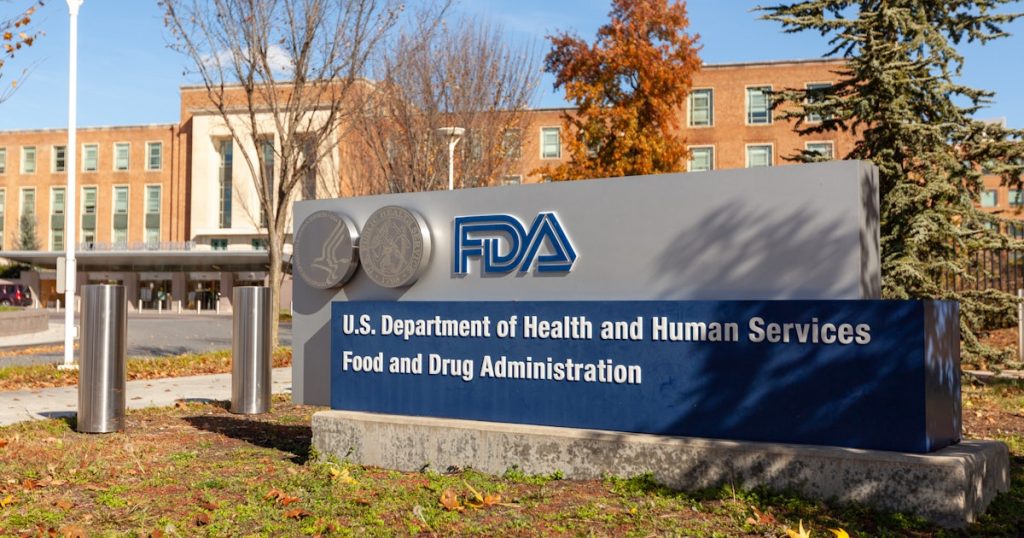
FDA warning letters to food manufacturers and importers have been trending upward, and the shift is not incidental. It reflects a maturing regulatory environment shaped by years of implementation under the Food Safety Modernization Act (FSMA). For companies operating in today’s global supply chain, this increase is less about sudden enforcement intensity and more about a clear message: the expectation is now sustained, demonstrable compliance.
When FSMA was first introduced, the FDA emphasized education and gradual adoption. That period has largely passed. Preventive controls, supplier verification, and traceability are no longer new concepts; they are baseline requirements. As a result, the agency is reducing its reliance on iterative feedback cycles and moving more quickly to formal enforcement actions when deficiencies persist. A warning letter, in this context, represents a significant escalation—one that signals the FDA believes a firm has not adequately corrected violations identified during inspection.
Another contributing factor is operational reality. FDA, like many regulatory bodies, faces resource constraints. Re-inspecting facilities multiple times to confirm compliance is no longer sustainable at scale. Instead, the agency is prioritizing efficiency by using stronger enforcement tools earlier in the process. Warning letters serve as both a corrective mechanism and a deterrent, encouraging firms to address root causes promptly rather than relying on repeated opportunities to improve.
For foreign suppliers, the implications are particularly significant. Under the Foreign Supplier Verification Program (FSVP), U.S. importers are responsible for ensuring that their overseas partners meet FDA standards. When a foreign facility receives a warning letter, the impact often extends beyond that single entity. Importers must reassess supplier risk, documentation, and verification activities. In some cases, failure to respond adequately can lead to downstream consequences such as shipment delays, detention without physical examination, or placement on an import alert list.
Understanding the escalation pathway is critical. A warning letter is not the end of the process— it is a midpoint. If violations are not addressed effectively and within expected timelines, the FDA has additional enforcement options. These include import alerts, which can effectively block products from entering the U.S. market, and suspension of facility registration, which halts the ability to legally manufacture or distribute food for U.S. consumption. Each step increases both operational disruption and reputational risk.
So what should companies do in this environment?
First, shift from reactive to proactive compliance. Waiting for an inspection to reveal gaps is no longer a viable strategy. Firms should routinely evaluate their food safety plans, hazard analyses, and preventive controls to ensure they align with current regulatory expectations. This includes verifying that procedures are not only documented but consistently implemented and supported by records.
Second, strengthen supplier oversight. For importers, this means going beyond basic documentation review. Risk-based supplier verification should include periodic reassessment, clear communication of compliance expectations, and, when appropriate, on-site audits or third-party evaluations. The goal is to identify and address issues before they surface during an FDA inspection.
Third, focus on root cause analysis. When deviations occur, superficial fixes are unlikely to satisfy regulators. The FDA is increasingly looking for evidence that companies understand why a problem happened and have implemented systemic changes to prevent recurrence. This requires cross-functional coordination across quality assurance, operations and supply chain management.
Finally, ensure readiness for inspection at all times. Inspections may no longer be predictable events with long lead times. Facilities should maintain continuous readiness, with trained personnel, organized records, and clear internal protocols for responding to investigators. A well-managed inspection can significantly influence the outcome, including whether observations escalate to a warning letter.
The broader takeaway is clear: FDA’s increased use of warning letters reflects a regulatory system that has moved beyond education and into sustained enforcement. Companies that view compliance as an ongoing discipline—rather than a periodic requirement—are better positioned to navigate this landscape. Those that do not may find that the cost of inaction is no longer limited to corrective actions but extends to market access itself.
In a global industry where supply chains are only as strong as their weakest link, maintaining compliance is not just a regulatory obligation. It is a business imperative.
David Lennarz is the president of Registrar Corp, a leader in regulatory compliance.