
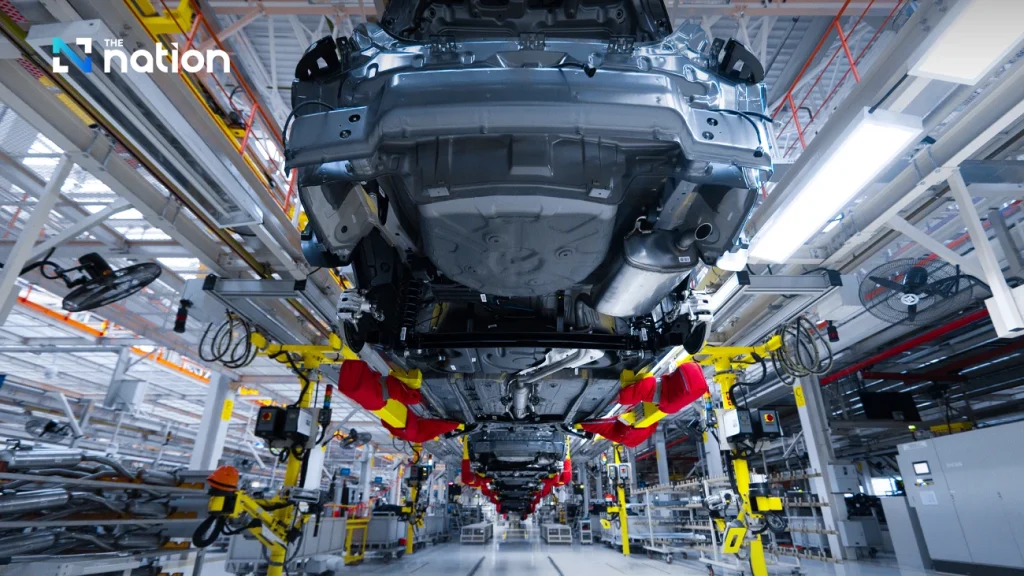
Despite the drop in Middle East shipments, exports were supported by growth in Australia, Africa and Europe.
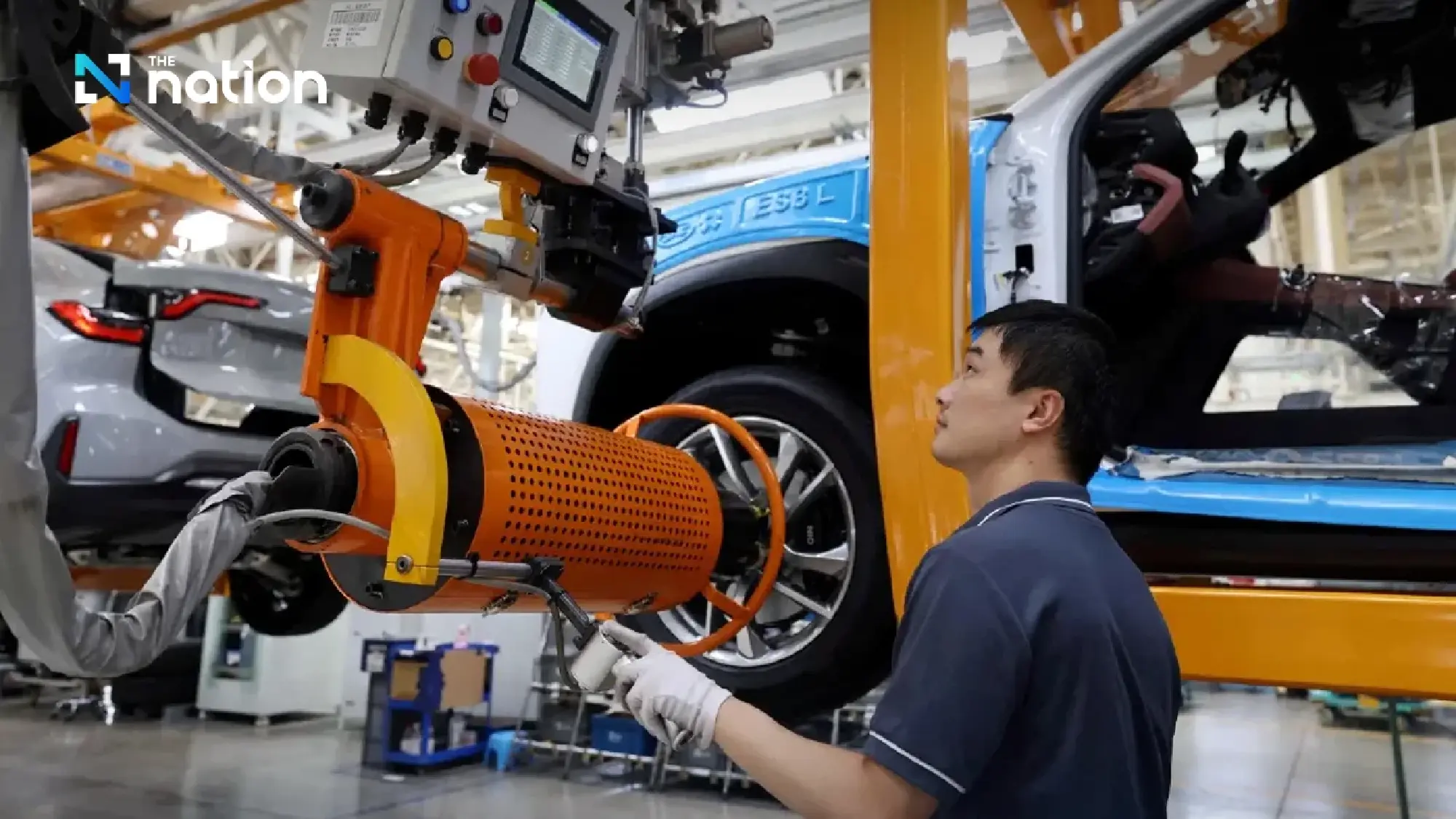

EVs and hybrids reshape production trends
A key highlight was the shift towards new vehicle technology.
Production of hybrid electric passenger vehicles, or HEVs, rose by 12.69%, while production of internal combustion engine passenger cars fell by 22.08%.
The figures suggest that Thailand’s vehicle production structure is gradually changing in line with global market demand, as carmakers adjust their output towards cleaner and more energy-efficient models.
Motor show bookings lift domestic sales
Domestic vehicle sales in March totalled 59,865 units, up 7.29% from a year earlier.
Surapong said the increase was driven by deliveries of vehicles booked at the Bangkok International Motor Show, where total reservations exceeded 100,000 units.
Electric vehicles accounted for more than 50% of total bookings, underlining the growing role of EVs in Thailand’s domestic auto market.
Passenger battery electric vehicle sales reached 12,074 units, up 47.62%, while passenger hybrid electric vehicle sales stood at 14,895 units, up 23.81%.
Electric pick-up truck sales also grew sharply by 161.11%, although the total number remained relatively small.
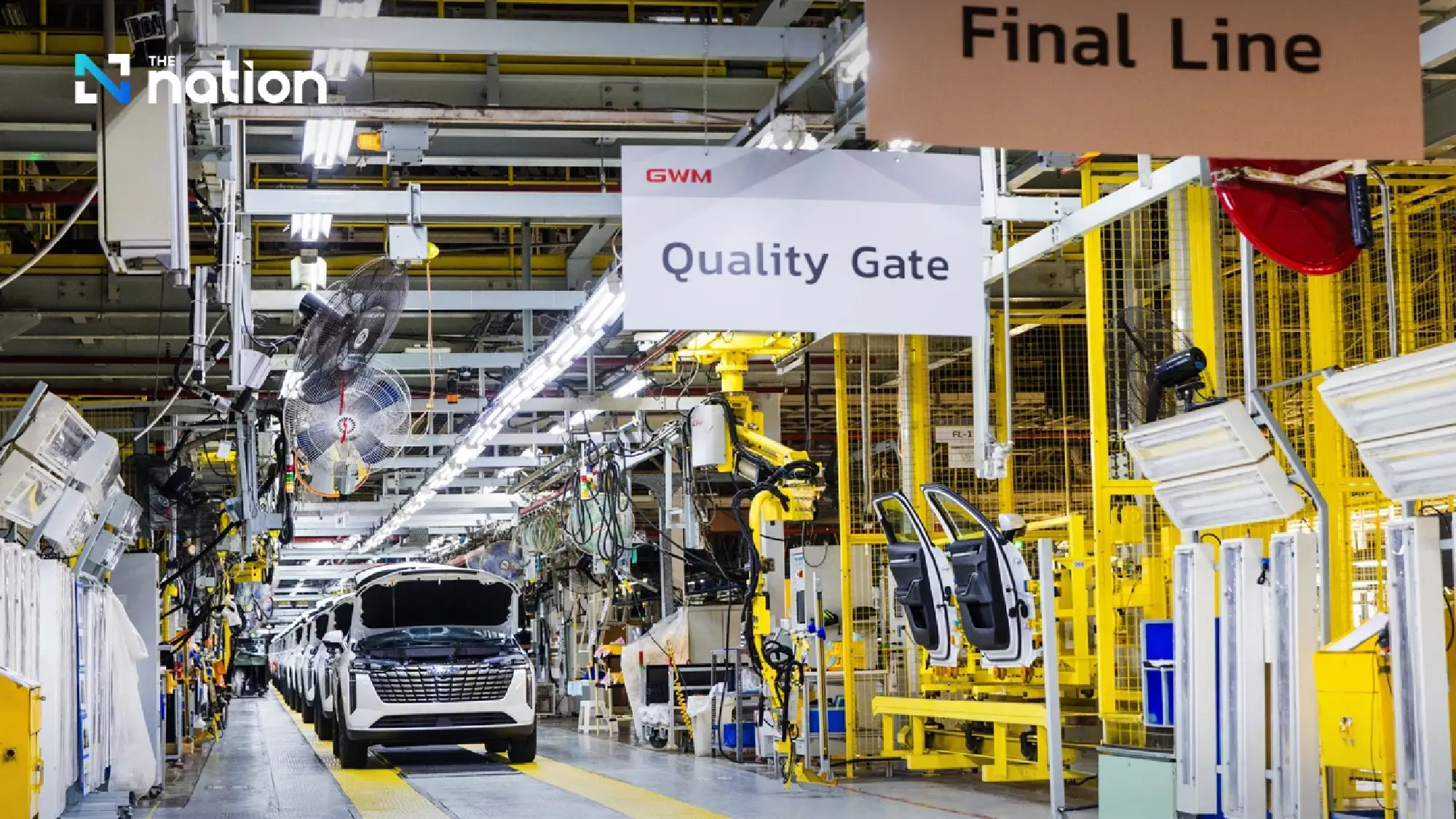

Pick-up truck market still faces pressure
Despite the overall improvement, domestic pick-up truck sales fell by 6.36%.
The decline was linked to stricter lending conditions by financial institutions, as the economy continued to grow slowly and many buyers’ incomes remained insufficiently stable.
The pick-up segment remains an important indicator of domestic purchasing power, particularly among small businesses, farmers and provincial consumers.
FTI urges new government to speed up investment
Surapong also called on the new government to accelerate economic policy and budget planning.
“I would like the new government to quickly submit its policies and the annual expenditure budget for 2027 to Parliament, so investment in various projects can move ahead more quickly and confidence can be built among both domestic and foreign investors,” he said.
He added that industries with large supply chains should be stimulated to help push the manufacturing production index into double-digit growth.
“If the economy returns to a high growth rate, it will support purchasing power. Once capacity utilisation exceeds 70% of total capacity, this will lead to more investment and employment, giving more Thai people jobs,” he said.
EVs emerge as key growth engine
Overall, Thailand’s automotive industry in the first quarter of 2026 remained in a major transition period.
Electric vehicles and hybrids are emerging as the main growth drivers in the domestic market, while exports continue to play a central role in maintaining national vehicle production levels.