
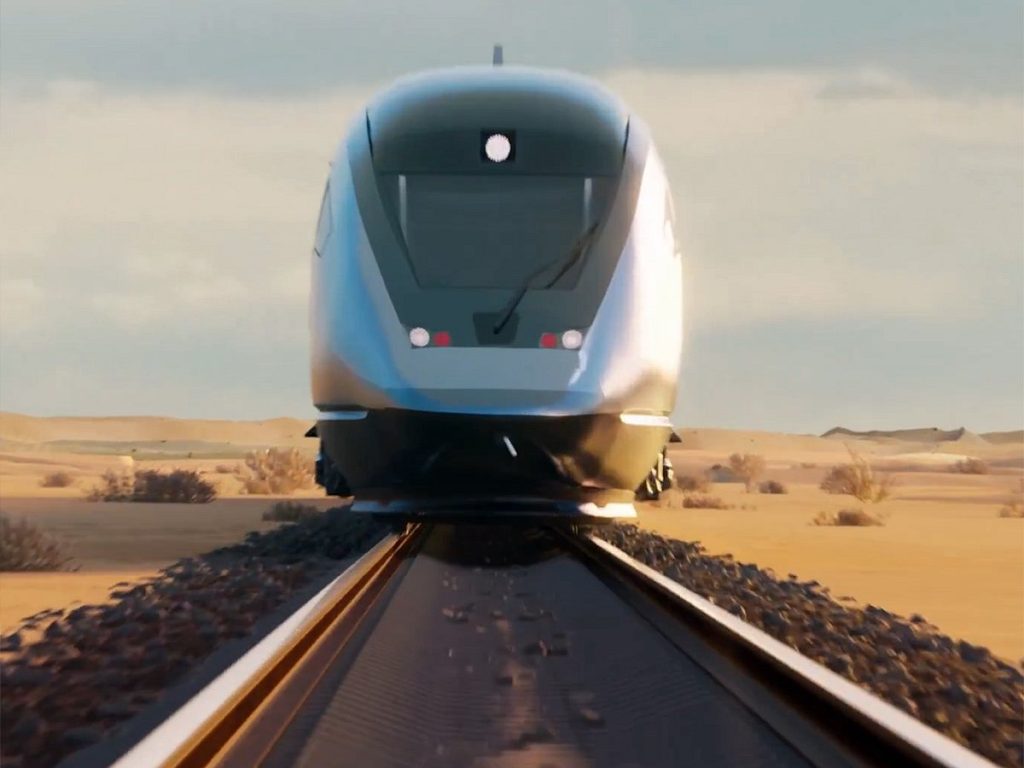
Historically, real estate performance in Dubai has followed accessibility. What is changing now is the precision with which infrastructure is guiding development. Instead of reactive growth, we are seeing more deliberate alignment between transport corridors and new communities, which reduces fragmentation and creates more sustainable urban clusters.
Connectivity as a pricing mechanism
Connectivity has evolved into a measurable component of property value. Residential properties in areas connected to the metro network recorded price growth of over 26%. While the differential may appear modest, it reflects a consistent premium tied to accessibility and reduced dependency on private transport.
This dynamic is particularly relevant as Dubai continues to expand outward. Infrastructure ensures that new districts are not isolated pockets but integrated extensions of the urban core. For investors, this reduces long-term risk and improves the predictability of returns.
Catalyst for development activity
Metro expansion also has a direct impact on construction and development patterns. Transport-linked corridors tend to attract higher density projects, mixed-use developments, and increased private sector participation. This is not incidental; it is a function of improved viability.
When accessibility improves, land becomes more usable. Projects that may not have been feasible due to connectivity constraints suddenly become commercially attractive. This accelerates construction timelines, increases land absorption, and encourages diversification across residential, commercial, and retail segments.
At the same time, it supports a more efficient allocation of resources. Developers can plan with greater confidence, aligning project delivery with infrastructure rollouts rather than anticipating demand in isolation.
Economic spillover effects
Since 2009, the Metro has transported over 2.4 billion riders across more than 4.3 million journeys, highlighting its central role in daily mobility and its growing influence on how residents and businesses interact with the city’s infrastructure. Efficient transport networks improve labour mobility, reduce travel times, and enhance productivity. Businesses benefit from access to a wider talent pool, while residents gain more flexibility in where they live and work.
This has a compounding effect on economic activity. Retail, hospitality, and service sectors tend to follow population movement and accessibility, creating new commercial nodes along transit corridors. Over time, these nodes mature into self-sustaining micro-economies, reducing pressure on traditional city centres.
Towards more structured urban growth
The significance of the Golden Line lies in its ability to support a more balanced urban model. Rather than concentrating growth in a few established areas, it enables a more distributed pattern of development, where multiple districts evolve simultaneously with adequate infrastructure support.
This approach is essential for long-term resilience. Cities that grow without aligned infrastructure often face congestion, inefficiencies, and uneven value distribution. By contrast, infrastructure-led expansion creates a framework where growth is both scalable and sustainable.
Long-term value proposition
For the real estate sector, the message is clear: infrastructure is no longer a supporting factor, it is a primary determinant of value. Metro expansion enhances not just immediate demand, but the long-term viability of entire districts.
As Dubai continues to position itself as a global investment hub, projects like the Golden Line play a critical role in reinforcing investor confidence. They signal planning discipline, economic foresight, and a commitment to integrated growth.