
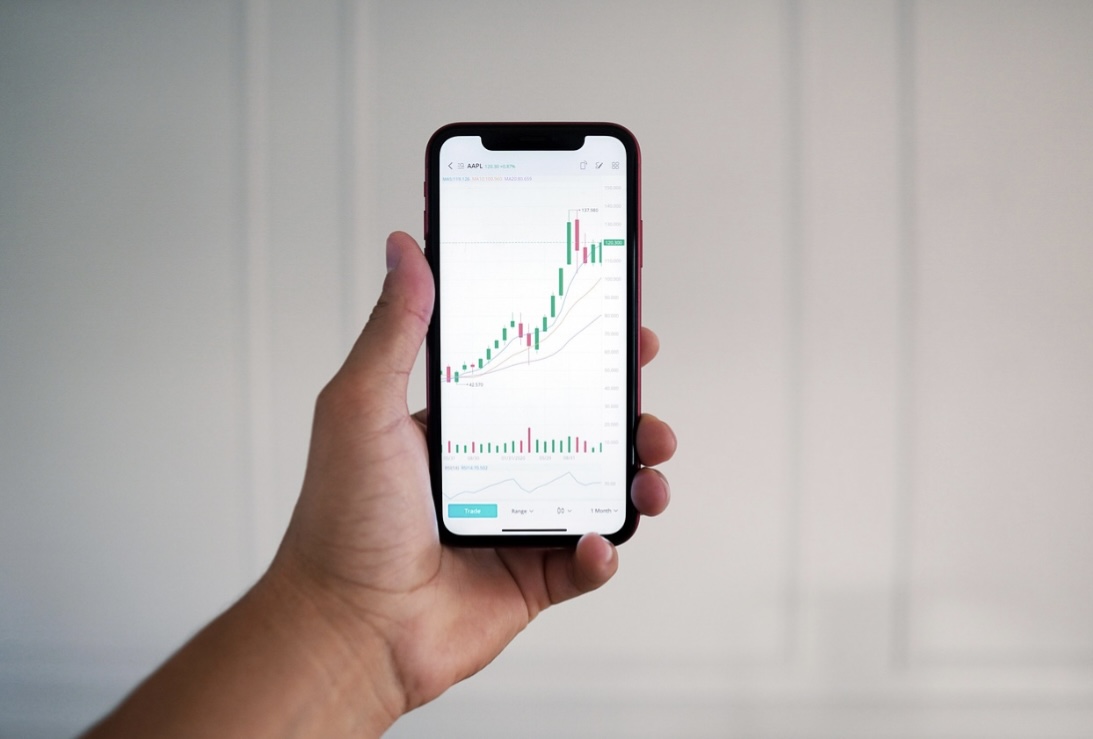
In Nigeria, technology continues to redefine how people approach financial markets. What once required large desktop screens and complex platforms is now available on mobile devices in ways that empower everyday traders. The rapid adoption of algorithmic charting tools has opened new opportunities for Nigerians to analyse, predict, and execute trades with greater confidence. These tools are no longer exclusive to institutional investors but are becoming a vital feature of applications designed for retail users.
The Rise of Mobile Platforms in Nigeria
For many Nigerian traders, the mobile trading app has become the central hub for participating in global markets. The convenience of accessing live price data, opening and closing positions, and monitoring risk from anywhere has made mobile platforms the preferred choice. As internet penetration increases across the country, more traders are moving away from desktop-only experiences and embracing mobile-first solutions.
The growth of mobile platforms has also created demand for more advanced charting capabilities. Nigerian traders do not just want to see price movements, they want to interpret them with the same level of detail that professional traders rely on. This demand has pushed developers to integrate algorithm-driven features directly into mobile applications.
Understanding Algorithmic Charting
Algorithmic charting refers to the use of programmed mathematical models to identify patterns and opportunities within price data. Instead of relying solely on visual interpretation, traders can access automated signals that highlight potential entry and exit points. In Nigeria where many traders are still building their technical knowledge, algorithmic charting tools provide a bridge that makes complex analysis more accessible.
These tools go beyond standard moving averages or trend lines. They can detect market momentum, volatility clusters, and potential reversals within seconds. By embedding these functions into trading applications, Nigerian users now have access to professional-level analytics without needing years of technical study.
Why Nigerian Traders Value These Tools
The Nigerian trading landscape is fast-paced and often influenced by both global and local economic developments. Having real-time algorithmic tools on mobile apps helps traders keep up with sudden changes. For instance, when currency volatility spikes due to oil price fluctuations or central bank policies, traders can quickly rely on algorithmic signals to guide their decisions.
Some of the major benefits Nigerian traders associate with these tools include:
● Faster decision making since signals are processed automatically
● Reduced emotional bias as trading is guided by rules rather than instinct
● Access to strategies that were previously reserved for large financial institutions
This combination of speed, objectivity, and accessibility has made algorithmic charting highly attractive to Nigerian retail traders.
Transformation of Local Trading Apps
Many Nigerian-focused trading apps have evolved from offering basic price feeds to delivering full algorithmic charting packages. These features allow users to analyse historical data, test strategies, and execute trades directly from the same platform. For younger traders who grew up with smartphones, the seamless integration of analysis and execution has become the standard expectation.
In Lagos, Abuja, and Port Harcourt where fintech activity is rapidly growing, developers are racing to add more intelligent charting solutions. By doing so, they aim to capture a larger share of the retail trading market. This transformation is not only technological but also cultural, as it introduces a generation of Nigerian traders to more disciplined and data-driven practices.
One of the challenges in the Nigerian trading community has been limited access to formal education in financial markets. Algorithmic charting tools are helping to bridge this gap. By simplifying complex technical indicators into user-friendly visuals and alerts, these tools provide learning opportunities for beginners while still offering advanced features for experienced traders.
As more Nigerians join the trading ecosystem, mobile apps with algorithmic features are becoming informal classrooms. They encourage users to understand why certain signals appear and how they can be used within broader strategies. This dual role of education and execution has strengthened the appeal of advanced trading platforms in Nigeria.
The Role of Data in Modern Trading
Behind algorithmic charting lies data. Nigerian traders are becoming increasingly aware of how valuable accurate, real-time data is to their success. Trading apps that integrate live market feeds with algorithmic engines offer a competitive edge. For example, a trader analysing the Nigerian naira against the US dollar can quickly spot developing trends that may not be visible with traditional charts.
Data-driven insights also reduce the risks of acting on rumoursor guesswork. In a market where social media can easily influence sentiment, algorithmic tools bring a level of discipline by focusing purely on numbers and patterns.
Future Outlook for Nigerian Trading Apps
As Nigeria continues to strengthen its digital infrastructure, the role of advanced charting tools will expand even further. We can expect trading apps to integrate artificial intelligence that learns from user behaviour, offering more personalised insights. Predictive analytics, voice-activated commands, and deeper integration with global financial news are also likely developments.
Importantly, the Nigerian market is youthful and tech-savvy. This demographic is eager to explore modern tools that make trading more efficient and transparent. As algorithmic charting becomes standard, Nigerian traders will not only keep pace with global markets but may also set new trends in how mobile trading evolves.
The rise of advanced algorithmic charting is transforming the way Nigerians trade on mobile platforms. With improved access to professional-level tools, retail traders in Nigeria are finding new ways to manage risk, identify opportunities, and trade more confidently. By moving beyond basic charts and embracing data-driven analysis, Nigerian trading apps are reshaping the financial landscape. This transformation is giving both new and experienced traders the resources they need to succeed in the fast-moving world of global markets.