
Algo trading should be segregated in a separate account with only risk capital deployed.
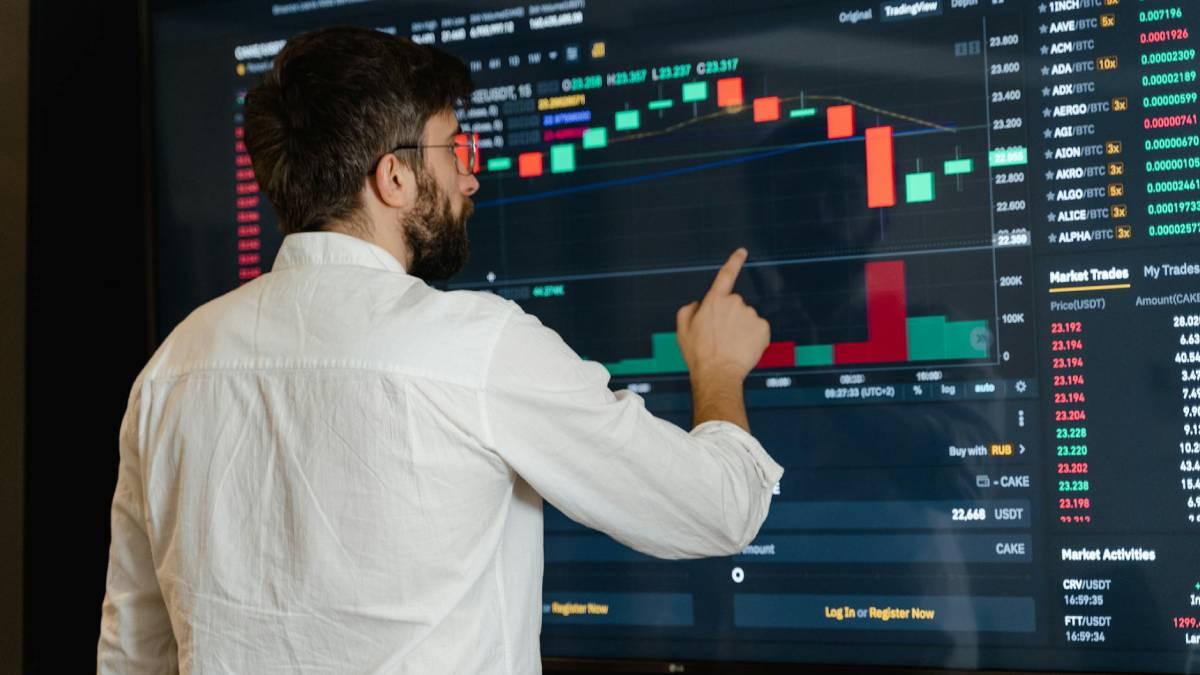
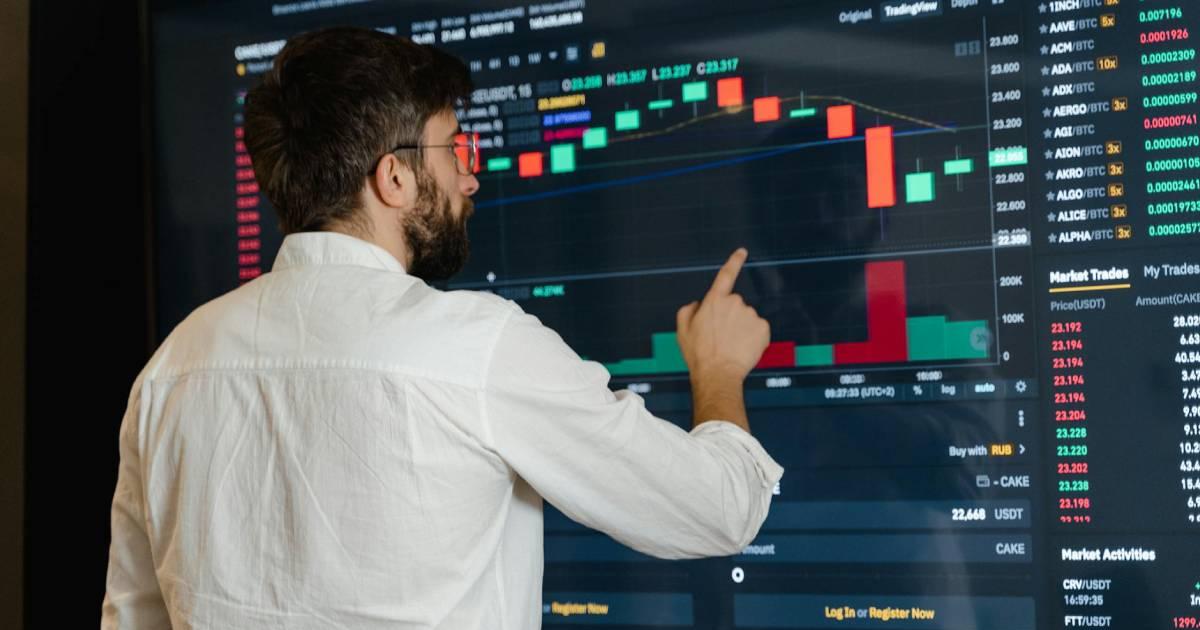
Kindly note the image has been posted only for representational purposes. Photograph: Kind courtesy Tima Miroshnichenko/Pexels.com
Securities and Exchange Board of India Chairman Tuhin Kanta Pandey said recently that the rise of algorithmic trading brings efficiency but also demands robust risk controls and real-time monitoring.
Here is a look at the key risks retail investors face in algo trading and how they can manage them.
Liquidity and slippage issues
Liquidity is a major concern. Many stocks and options in India are illiquid, with shallow market depth and wide bid — ask spreads.
Orders may not get filled or may execute at worse-than-expected prices, which is called slippage.
“Slippage becomes a major issue if liquidity is not factored in,” says Rajesh Ganesh, founder and CEO, TripleInt Trading Systems.
Retail investors may also rely excessively on back-tested results or use poorly coded strategies.
“Lack of real-time monitoring can cause significant losses if something goes wrong,” says Vikas Singhania, CEO, TradeSmart.
Black swan events can worsen losses.
“Inadequate stop-loss settings can trigger rapid drawdowns,” says Harsh Vira, chief financial planner and founder, FinPro Wealth.
Don’t rely blindly on back-tested results
Back tests often fail to reflect real-world trading. Strategies that excel in back tests often fail in live trading.
“A reliable back test must include realistic costs, slippage and drawdowns,” says Vira.
Short testing periods, cherry-picked timeframes and mismatched conditions are red flags.
“An algo performing well in a bullish phase may wipe out capital in a flat or negative market,” says Ramakrishnan Selvaraj, co-founder, coinhunt.bot.
Investors should also examine peak-to-trough drawdowns and how long recovery took.
One-off large profits or losses skewing results are red flags. Unrealistic metrics are another warning.
“A 100 per cent win rate or an extremely high Sharpe ratio is a red flag,” says Singhania.
Watch out for operational risks
Tech failures, connectivity issues, API disruptions, broker downtime, exchange outages and order rejections can all disrupt execution.
They can lead to missed entries or exits.
Reliability of infrastructure matters.
“Retail investors should avoid Excel-based trading,” says Selvaraj.
Instead, use a stable and tested platform, ideally cloud-based or broker-hosted.
“Hedged strategies help cap maximum risk even if the algo cannot execute due to technical issues,” says Ganesh.
Manage risks
Algo trading should be segregated in a separate account with only risk capital deployed.
Selvaraj recommends three layers of stop-losses — position-level, portfolio-level and maximum stop-loss.
Traders should also implement per-trade, daily, weekly and monthly risk limits.
“If any limit is breached, reduce position size or switch to paper trading,” says Ganesh.
Traders should not deploy all their capital in algo trading. They should maintain reserves for margin calls.
Position sizing must be disciplined. Avoid allocating more than a fixed percentage of capital to a single trade.
Diversification also helps.
“Use diversified strategies and test them in paper trading before going live,” says Vira.
Control costs
Algo platforms focus on building profitable strategies, but it is the investor’s job to account for real-world costs.
“Costs can be so large that even a system with a positive edge may lose money,” says Ganesh.
“Too many trades — especially in options and futures — can lead to high brokerage, commissions and taxes, turning a profitable algo negative in the investor’s account,” says Selvaraj.
“Slippage, impact cost (which increases for large orders in illiquid stocks), subscription and infrastructure costs (VPS, API, platform fees) must be factored in,” says Singhania.
According to Vira, such costs can reduce real profits by 20 to 40 per cent versus back tests, so simulations should be carried out before going live.
Carry out robust monitoring
Monitoring should ideally be real-time or at least every 15-30 minutes.
“Set up auto-alerts via SMS, e-mail or app notifications for drawdown breaches, margin shortfalls or order failures,” says Singhania.
Traders should review an end-of-day summary of profits and losses, open positions and system health.
They should also maintain a manual override or kill switch. Retail algos can also be supervised via automated dashboards.
Key do’s and don’ts
- Do paper trading, or live runs with small amounts of capital
- Understand the algo’s logic, risk controls and fallback mechanisms
- Scale based on profits, not to recover losses
- Don’t jump between systems after a small loss or drawdown
- Don’t ignore updates or assume the algo will handle all market conditions
- Control emotions, track performance daily and keep refining the strategy
Disclaimer: This article is meant for information purposes only. This article and information do not constitute a distribution, an endorsement, an investment advice, an offer to buy or sell or the solicitation of an offer to buy or sell any securities/schemes or any other financial products/investment products mentioned in this article to influence the opinion or behaviour of the investors/recipients.
Any use of the information/any investment and investment related decisions of the investors/recipients are at their sole discretion and risk. Any advice herein is made on a general basis and does not take into account the specific investment objectives of the specific person or group of persons. Opinions expressed herein are subject to change without notice.
Feature Presentation: Ashish Narsale/Rediff