
With a typical home purchase, you own both the house as well as the land it sits on. But if traditional homeownership isn’t right for your budget, you do have other options beyond renting.
One of these is a land lease, which allows you to rent a plot of land for a fee, and then use that land for your own purposes — often to build a home, open a business, or do agricultural work.
If you’re considering a land lease, there are some things you should be aware of first.
Types of land leases
Land leases come in several kinds. These include:
Ground lease
With a ground lease, you own any buildings on the property, but not the land itself. You can develop any buildings or improvements you like on the property so long as your lease is in place and paid.
Agricultural lease
This is a type of lease you’d use if you want to leverage a plot of land for agricultural or farming purposes. In this agreement, you lease the land, and then can use it for plating, gardening, raising livestock, or even creating things like solar or wind farms.
Residential lease
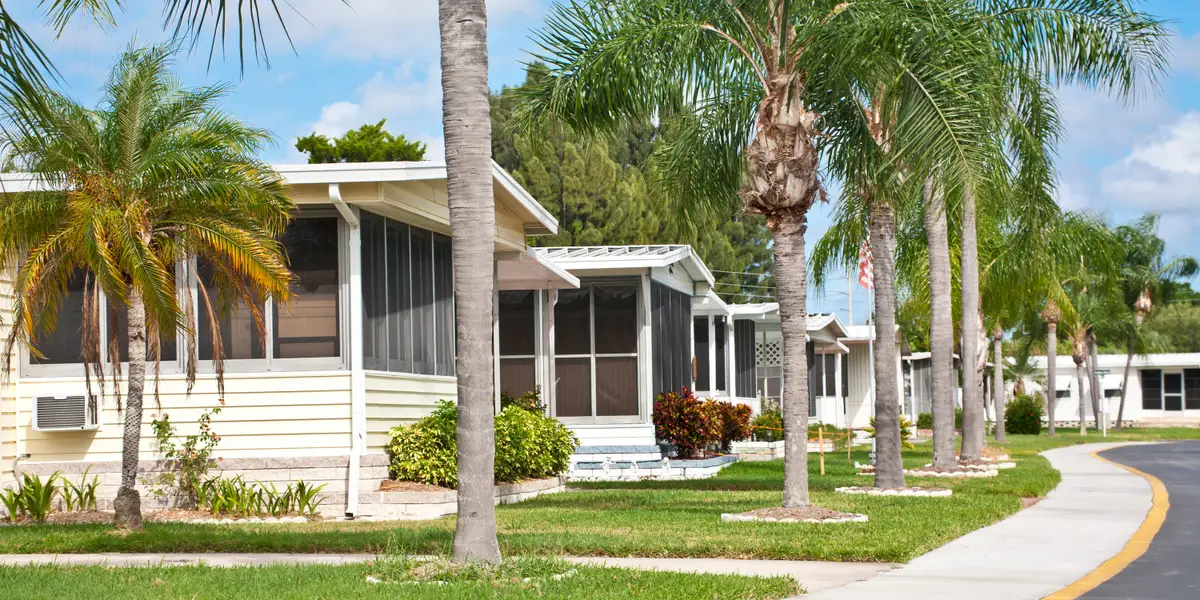
Residential leases are just how they sound: leases intended for residential use. They allow you to rent a piece of land, and then build or place a home there (as with manufactured and mobile homes).
Commercial lease
If you want to start a business, open a warehouse for your existing business, or operate some sort of business operation on a specific plot of land, this type of lease is what you’d use.
Key elements of a land lease agreement
Land leases are legal agreements just as the lease on an apartment would be. They stipulate the terms both parties must adhere to, as well as the penalties if they don’t. Each lease agreement should contain:
Parties involved
The lease will define by name who the lessor is (the person who owns the land) and who is the lessee (the person leasing the plot of land). Both will need to sign the agreement.
Lease term
This is the duration of the lease. It can often range from months to year to even decades.
Rent
The lease will also stipulate the amount of rent that will be paid by the lessee, as well as how often they will make those rent payments to the lessor.
Permitted use
It should also clearly define how the lessee can use the land and for what purposes.
Maintenance and repairs
While the lessee won’t own the land outright, they are usually responsible for some level of upkeep and maintenance to ensure the property’s value. The lease should outline exactly what these responsibilities are.
Insurance
Insurance can protect both the lessee and the lessor in the event something goes wrong. The lease will outline what type of insurance and how much both parties will need to carry.
Termination
The lease should also detail any conditions for ending the lease early, including penalties and fees that may be incurred when doing so.
Renewal options
If the lessor allows for the lease to be renewed, the agreement should define the terms for these renewals, as well as the process the lessee must follow to be approved for renewal.
Benefits of leasing land
There are some big advantages to leasing land — for both parties. Here are the benefits you might have to look forward to.
For landowners
Landowners leasing their properties get to generate passive income with something they already own — and that’s the biggest perk of these arrangements. Depending on where the land is located and how in-demand the area is, it could mean a solid, long-term income stream, and it could help quite a bit in covering taxes and maintenance costs.
You also retain ownership of the land instead of selling it, so you have options for repurposing it at a later date if you’d like (or your lifestyle needs change), and you may get access to certain tax benefits.
For lessees
The main benefit of owning a home on a land lease is that you’ll pay a lot less to become a homeowner, since the land accounts for a significant chunk of the overall price in traditional home sales.
“The house is probably priced significantly lower than other properties on the market, giving you more bang for your buck when it comes to home size,” says Dallas Waldon, a real estate investor and managing partner at Land Boss.
This will help keep your upfront and ongoing costs lower, since you won’t need as large of a down payment and your monthly mortgage payment will reflect your smaller loan amount. You’ll likely pay less in property taxes, too.
Additionally, because you don’t own the land, you typically won’t be responsible for the majority of its upkeep. You may also get access to community benefits, like a shared pool, and you’ll have flexibility to use the land as you need it.
Land lease risks and considerations
Land leases aren’t without risk. Some drawbacks to consider include:
For landowners
If you’re leasing out land, there’s always the potential it gets misused or damaged in the process, which could ultimately hurt your investment.
You’ll also have limited control over the property during the lease term, and you could find yourself with troublesome tenants who refuse to abide by the lease terms or leave the property. This might result in legal costs and other costly items.
For lessees
There are quite a few drawbacks as a lessee. For one, there could be restrictions on how you can use the land or properties placed upon it, and you have no ownership rights to it either. So, if you improve the lot’s value significantly with whatever you use it for, you won’t get to reap those rewards when it comes time to sell.
You also need to consider how long the lease is set to last and the potential for rent increases down the road. This could put the property out of budget for you in a few years if you’re not careful.
Steps to leasing land
Are you ready to lease out land you already own, or rent land from a local landowner? Here’s the process.
1. Determine your goals
If you’re a landowner, think about your objectives for the land. Are you looking to make regular, steady income, or do you need a big infusion of cash right now? How long do you want to hold the property, and are you on board with covering taxes, maintenance, insurance, and other items for the foreseeable future?
On the lessee end, think about how you want to use the land and what budget you can comfortably afford. Remember, you’ll not only have rent to cover, but things like insurance, upkeep, and utilities, too.
2. Seek professional advice
Whichever side of the deal you’re on, you should consult a real estate attorney for guidance and to draft and review your official lease agreement. You can also work with a real estate agent to help find a property (or find tenants, if you’re a landowner).
3. Negotiate the terms
Make sure you discuss all the terms and conditions of your lease, and if you’re not comfortable with some, negotiate until both parties are happy. If you have an attorney or real estate agent on your side, they can do this on your behalf.
4. Sign the lease agreement
Last but not least, sign the lease agreement. This will make it a legally binding contract that both parties must adhere to.
Land lease FAQs
Some of the main disadvantages of a land lease have to do with the fact that it can end up being expensive. You’ll have the ongoing costs of paying rent and HOA fees, and these costs could increase over the years.
The cost to lease a plot of land is based on location, size, how the property is being used, and more. It can vary quite a bit.
You may be able to build on leased land, though it depends on the exact terms and conditions outlined in your lease agreement. Ask an attorney if you’re not sure building is allowed under your lease.
You may be able to renew or extend your lease, or your lease may be terminated. It depends on the options and terms outlined in your lease contract.