
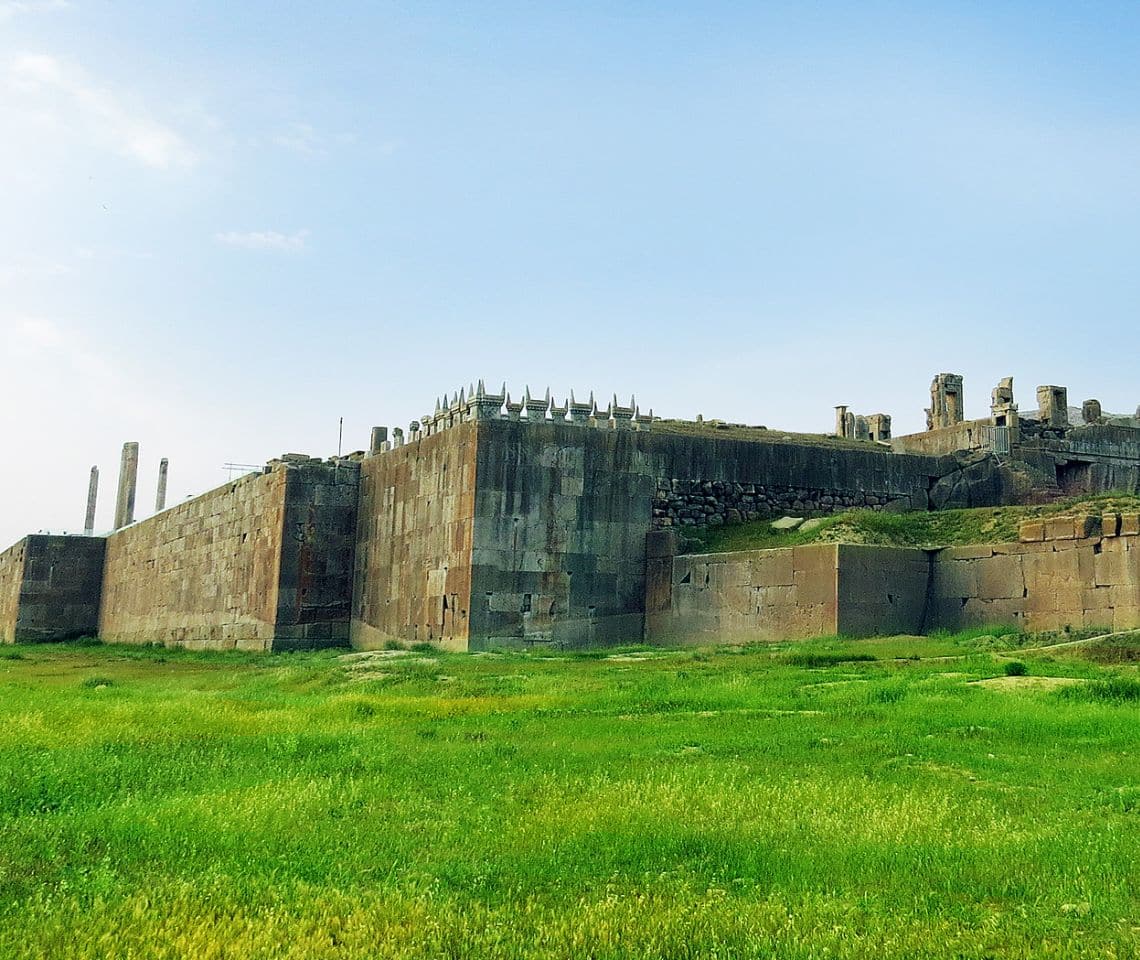

Land beneath one of Iran’s most treasured archaeological sites is sinking at an alarming rate, raising concerns among experts about long-term damage to ancient ruins. The ceremonial capital of the Persian Empire, Persepolis, founded by Darius I in 518 BCE, stands just a few hundred meters (about 1,640 feet) from the Marvdasht Plain—an area now experiencing significant land subsidence.
Researchers report that the surrounding ground is dropping by several inches to over a foot each year. The shift threatens the stability of stone carvings and structures that have survived more than 2,500 years. The impact on ancient Persepolis highlights a growing crisis driven by the depletion of groundwater across Iran.
The problem is not isolated. Other UNESCO World Heritage sites, such as Pasargadae and the historic city of Yazd, are also situated near regions experiencing similar ground movement. According to Mahdi Motaghi, a geophysicist at the Helmholtz Centre for Ocean Research Kiel, only thorough site-specific studies can determine the exact impact, but the risk to these sites is certain over time.
Groundwater overuse deepens the crisis
Motaghi attributes the primary cause of the sinking to excessive and unsustainable groundwater extraction.
This long-standing practice is also contributing to desertification across large parts of the country. Iran has drawn more water than nature can replace since the 1970s, resulting in the loss of over 70% of its groundwater reserves, he noted.

In addition to cultural heritage, critical infrastructure is being affected. Roads, canals and pipelines are warping and cracking as the land shifts. In the capital, Tehran, some neighborhoods are sinking by up to 25 centimeters (about 10 inches) per year, illustrating the widespread nature of the issue.
Researchers are now employing radar technology to monitor subsidence with greater accuracy. This method allows scientists to detect subtle surface changes and helps authorities respond more effectively.
Efforts and obstacles to recovery
Iran has pledged to cut national water usage in the coming years. Strategies include improving irrigation systems and expanding water reuse efforts in agriculture and urban areas. However, progress has been slow.
Experts point to other countries for possible solutions. In Bangkok, similar problems in the 1980s were brought under control after government restrictions on groundwater use. The city saw its subsidence rate fall from 120 millimeters (4.7 inches) annually to under 20 millimeters (less than 1 inch) in many areas by the 2000s.
Andrew Pearson of the International Center for Groundwater Resources Assessment believes that while no single solution exists, policy efforts have been shown to deliver results when sustained. In Iran’s case, however, sanctions, bureaucratic delays, and limited investment continue to stall meaningful action.