
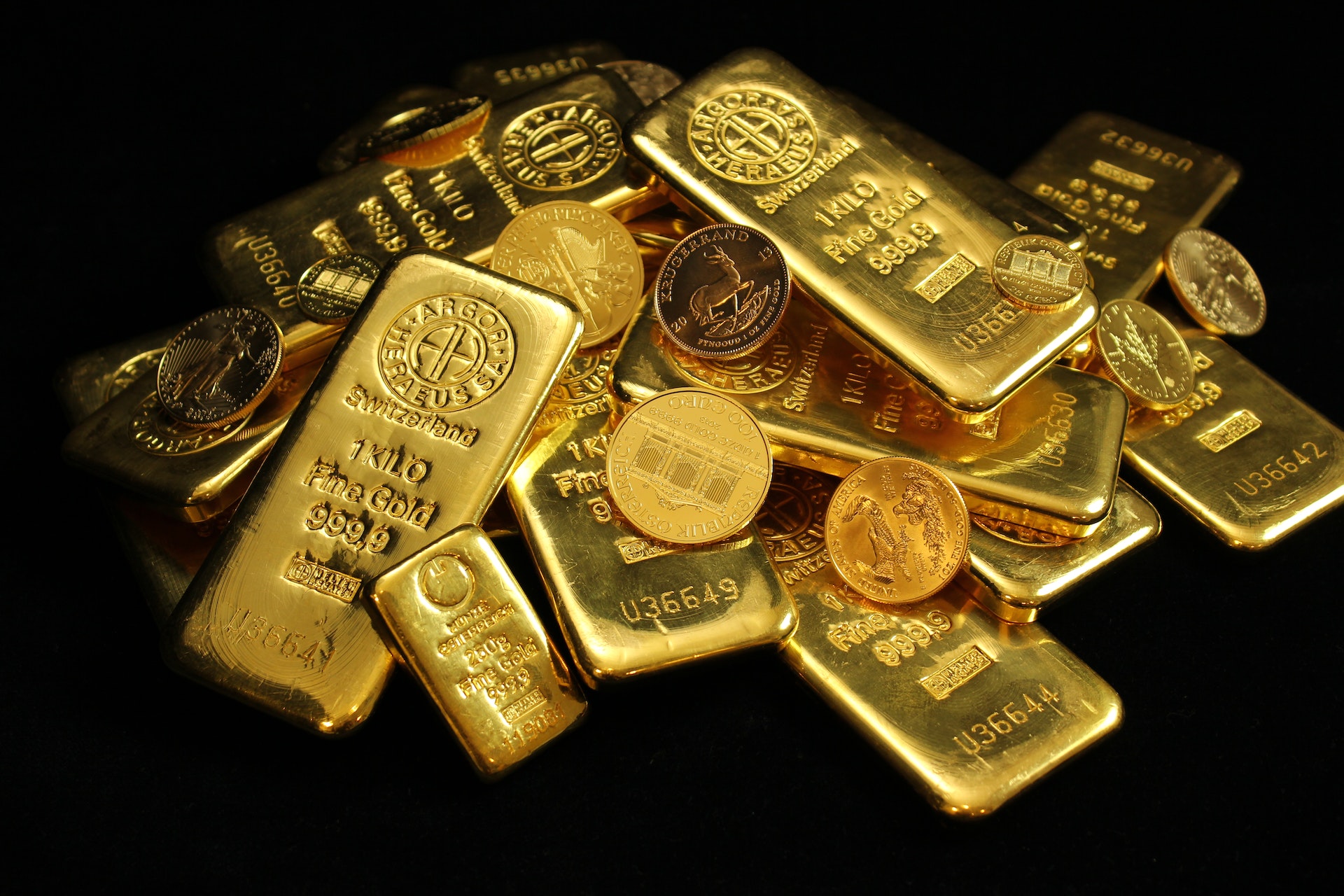
Gold and silver are both rallying in 2025, but for different reasons. Gold has smashed records on safe-haven flows and robust central-bank buying, while silver has ripped toward with sharper peaks and troughs. Understanding that the trade-off between stability and torque matters more than ever.
While both assets offer protection against inflation and currency risk, their behaviour in the market, particularly silver’s volatility, raises important considerations for those looking to buy.
Gold’s Stability Anchored by Central Bank Demand
Gold has long been regarded as the cornerstone of safe-haven assets. In 2025, it reaffirmed that status, reaching record highs of around $3,750 (£2,822.66) per ounce, up from $2,623.96 (£1,975.08) at the start of the year—a 43% year-to-date gain.
This steady rally has been primarily driven by central bank purchases, which continue at multi-decade highs as institutions seek to diversify reserves and hedge against geopolitical and economic instability.
Gold’s appeal lies in its historical reliability. It is less prone to dramatic price swings and is often the first asset investors turn to during market downturns.
According to Gainesville Coins, gold posted a 39.14% year-over-year gain by July 2025, underscoring its role as a stabilising force in turbulent times.
Silver’s Volatility: Risk or Opportunity?
Silver, by contrast, is known for its price volatility, which can either mean more returns or risk exposure for investors. In 2025, silver surged from $28.87 (£21.73) to $45 (£33.87) per ounce, marking a 56% year-to-date increase.
This outpaced gold in percentage terms, but the path was far less linear. Silver’s price swings are often more pronounced, especially during bull markets, where it tends to lag initially before accelerating rapidly.
Historical data support this pattern. In 2020, silver rose nearly 48%, compared to gold’s 25%. In 2016, silver jumped 15.8%, doubling gold’s 8.5% gain. These figures highlight silver’s potential for outsized returns, but also its susceptibility to sharp corrections.
Industrial Demand: Silver’s Dual Engine
One of silver’s unique advantages is its dual role as both an investment asset and an industrial commodity. While gold is primarily driven by monetary and investment demand, silver is indispensable in sectors such as solar energy, electric vehicles, semiconductors, and medical technology.
Each photovoltaic (PV) panel typically contains around 15–20 grams of silver, depending on its size, efficiency, and manufacturing technology. Silver is a key component in solar cells, used to conduct electricity. However, ongoing ‘silver thrifting’—efforts to reduce silver use per watt—is gradually lowering the amount of silver in newer panels.
Demand for silver from the solar industry has surged in recent years and is projected to continue growing as solar installations expand.
Forecasts suggest that silver use in PV applications could increase at a moderate but sustained pace through the decade.
This industrial demand provides structural support for silver prices, especially as global economies transition to greener technologies. However, it also introduces cyclical risk—economic slowdowns can dampen industrial consumption, adding to silver’s volatility.
Gold-to-Silver Ratio: A Valuation Signal
The gold-to-silver ratio, which measures how many ounces of silver equal one ounce of gold, currently sits near 83:1, well above the historical average of 60:1. At major market peaks, such as in 1980 and 2011, the ratio narrowed significantly, signalling silver’s relative strength.
Today’s elevated ratio suggests that silver may be undervalued compared to gold. For bullish investors, this imbalance could indicate room for silver to outperform if market conditions align.
How to Allocate Without Overreaching
Allocation is about risk tolerance, not headlines. Conventional guidance clusters around a low-double-digit stake in precious metals, with some prominent investors arguing for higher gold weightings in this regime.
If you use a 10–15% precious-metals sleeve, a pragmatic approach is to tilt toward gold for ballast and use silver for upside, rebalanced periodically to control risk. Treat this as a framework, not a rule.
Portfolio Strategy: Balance Is Key
Most financial advisors recommend a balanced allocation to precious metals, typically 10–15% of a portfolio, with 60–70% in gold and 30–40% in silver. This approach allows investors to benefit from gold’s stability while capturing silver’s growth potential.
Silver’s lower price point also makes it more accessible for first-time investors. At around $50 (£37.64) per ounce, it offers a lower barrier to entry and greater flexibility for dollar-cost averaging and tactical rebalancing.
For investors weighing gold against silver, the choice hinges on risk tolerance and investment goals. Gold offers consistency and crisis protection, while silver provides dynamic upside driven by industrial innovation.
In the evolving economic landscape of 2025, both metals play vital roles, but understanding their differences is essential before buying.
Originally published on IBTimes UK