
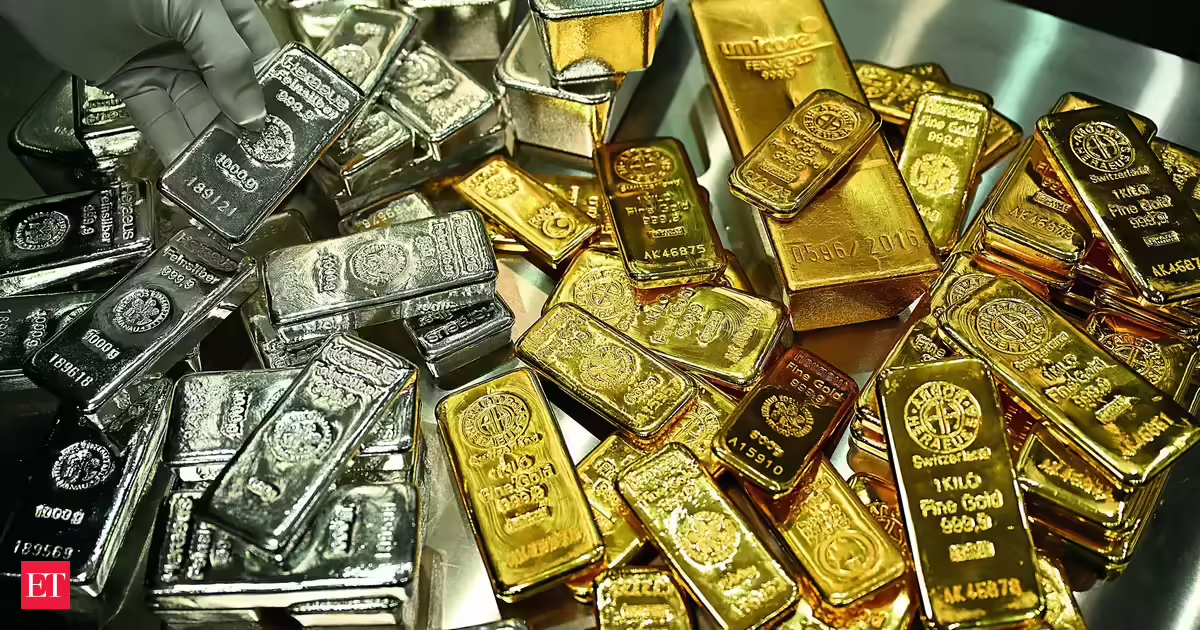
Why is silver price down by 3.3% and gold by 0.5%, and will precious metals continue to drop or rise again?
Gold and silver prices declined this week due to a stronger U.S. dollar, steady inflation data, and reduced expectations of interest rate cuts. Rising geopolitical tensions linked to the situation involving Iran and policy signals from the Federal Reserve also influenced market sentiment. These factors increased pressure on precious metals prices in global markets. Investors are now closely watching inflation data, currency movements, and geopolitical developments to determine whether precious metals will continue falling or recover in the near term.
Why is silver price down by 3.3% and gold by 0.5%?
Precious metals prices declined mainly because the U.S. dollar strengthened during the week. A stronger dollar makes gold and silver more expensive for buyers using other currencies. Economic data also showed higher consumer spending and stable inflation, which reduced expectations that the Federal Reserve will cut interest rates soon. Higher interest rates reduce demand for gold because the metal does not provide interest income. At the same time, partial restoration of gold supply flows from Dubai also increased availability in the market.
Gold and silver decline explained
Gold prices slipped on Friday and moved toward a second weekly decline. Spot gold dropped 0.5% to $5,052.15 per ounce by 1:44 p.m. ET. The metal has already declined more than 2% during the week. U.S. gold futures for April delivery settled 1.3% lower at $5,061.70.
Silver also recorded a larger decline. Spot silver fell 3.3% to $81.00. Other precious metals also declined during the session. Platinum dropped 4% to $2,047.20, while palladium declined 2.5% to $1,569.00. These metals are also moving toward weekly losses.

Dollar strength puts pressure on precious metals
One key factor behind the decline is the rise in the U.S. dollar. The dollar index moved higher during the week. A stronger dollar makes gold and silver more expensive for buyers using other currencies. This often reduces demand and leads to price declines.
According to metals trader Tai Wong, the market still sees long-term support for gold through asset allocation. However, prices are currently moving toward lower levels since the start of the Iran conflict while the dollar remains near four-month highs.
Interest rate expectations affect metal demand
Expectations of higher interest rates are also affecting prices. According to a note from Commerzbank, expectations of tighter monetary policy are a major reason behind the pressure on gold prices.
Gold is often used as a hedge against inflation and uncertainty. However, higher interest rates increase the opportunity cost of holding gold because the metal does not generate interest income.
Economic data also played a role. U.S. consumer spending in January increased slightly more than expected. Inflation indicators remain firm. These signals strengthened the view that the Federal Reserve may delay interest rate cuts.
Geopolitical tensions and supply flows
Global geopolitical developments also influenced precious metals. Donald Trump said the United States would hit Iran “very hard” over the next week. The statement followed a partial 30-day waiver for purchases of sanctioned Russian oil.
At the same time, some logistical changes affected the gold market. Partial resumption of flights from Dubai, a global gold trading hub, allowed gold shipments to restart partially this week. This restored some supply flows to global markets.
Oil prices dipped during the session but still remained on track for weekly gains as disruptions in the Gulf region continued.
Outlook for gold and silver prices
Market direction will depend on several factors. Investors are closely watching inflation data, Federal Reserve policy signals, and developments in the Iran conflict. If the dollar remains strong and interest rates stay elevated, precious metals may face continued pressure.
However, geopolitical risks and economic uncertainty may still support demand for gold and silver as safe-haven assets.
Will precious metals continue to drop or rise again?
The future direction of precious metals will depend on several economic and geopolitical factors. If the U.S. dollar remains strong and interest rates stay elevated, gold and silver may continue to face downward pressure. However, geopolitical risks, including tensions involving Iran, may increase safe-haven demand for gold and silver. Any signals from the Federal Reserve about possible rate cuts could also support prices and trigger a rebound in precious metals.
Analysts insights and market outlook
Analysts insights and market outlook suggest that long-term demand for gold remains supported by global asset allocation strategies. Metals trader Tai Wong noted that gold remains bullish over the long term. However, prices are currently moving toward lower levels since the Iran conflict began while the U.S. dollar remains near four-month highs. Analysts also point out that expectations of tighter monetary policy are placing pressure on bullion prices. Until interest rate expectations change, precious metals may continue to experience volatility in global markets.
What should investors do now?
Investors are advised to monitor inflation data, interest rate signals from the Federal Reserve, and developments in the Iran conflict. Market analysts suggest maintaining diversified portfolios that include precious metals for long-term risk management. Short-term price movements may remain volatile due to currency strength and policy expectations. Investors should also watch global trade flows from hubs such as Dubai, which can influence supply conditions in the gold market.
FAQs
Q1: Why is silver price down by 3.3% and gold by 0.5% this week?
Silver and gold prices dropped because the U.S. dollar strengthened and inflation data reduced expectations of interest rate cuts by the Federal Reserve, lowering demand for precious metals.
Q2: Will precious metals continue to drop or rise again in the coming weeks?
Precious metals may rise if geopolitical tensions increase or if the Federal Reserve signals rate cuts. However, a strong dollar and high interest rates could keep prices under pressure.