
Unlock the Editor’s Digest for free
Roula Khalaf, Editor of the FT, selects her favourite stories in this weekly newsletter.
The UK’s two biggest car insurers said they believed the market would continue to grow despite the threat to the industry from autonomous vehicles, which some analysts have said could undermine the sector.
Admiral predicted on Thursday that self-driving cars would still account for only about 4 per cent of the market by 2035, meaning there would still be demand for traditional motor cover.
Chief executive Milena Mondini de Focatiis told the FT that the FTSE 100 group expected the motor insurance market “to keep growing for the next 20 years or so, at least”.
Aviva chief executive Amanda Blanc said separately: “We know the change is coming.” But she added that her company did not expect widespread adoption of autonomous vehicles to happen until 2040.
Jefferies analysts said that Admiral’s forecast for autonomous vehicles’ market share, the first from an insurer, appeared to be “lower . . . than some assumed”.
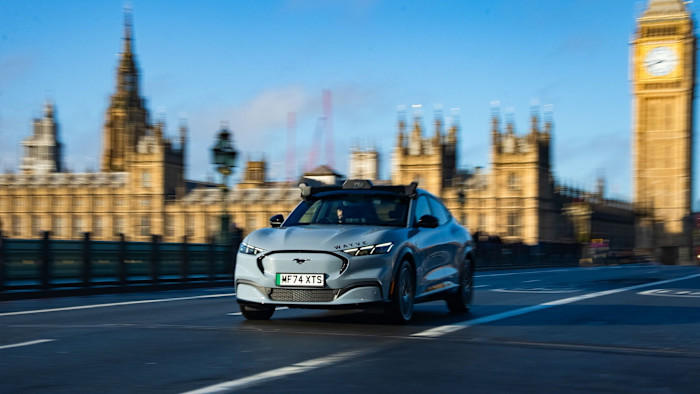
Several banks have predicted that retail motor insurers will come under pressure from the growth of self-driving cars by firms such as Alphabet’s Waymo and UK autonomous driving start-up Wayve, which are expected to rely more heavily or even exclusively on commercial liability insurance policies.
“You’re essentially going to see a lot of retail [insurance] business move wholesale,” said Citi analyst James Shuck, adding that he had started to integrate the effects of AVs into his valuations of retail motor insurers.
Shuck added that the impending arrival of the new vehicles presented a question over whether the motor insurance market would continue to grow 2 per cent a year or begin shrinking sharply.
A January announcement by US insurer Lemonade that it would provide discounts for self-driving cars had prompted a wider sell-off of shares in motor insurers, including Admiral, which have since mostly recovered.
Aviva’s Blanc said that even when autonomous vehicles were widely available, drivers were likely to have some level of control, such as when they take over to navigate challenging road conditions. This meant that the vehicles would “never” be fully insurable with commercial lines, she said.
Analysts have also argued that AI tools such as ChatGPT could displace price comparison websites such as Moneysupermarket, as more consumers use the chatbots to search for insurance products. Moneysupermarket parent Mony Group’s shares tumbled in February, also on AI fears, and remain down 10 per cent this year.
Mondini de Focatiis said that in the UK, she expected price comparison websites to maintain an edge over chatbots such as ChatGPT, since they offered dozens of competitive prices. However, she said ChatGPT could be faster to disrupt insurance markets in “areas where there is not yet very strong direct distribution”, such as European countries, where consumers might favour their “conversational approach”.
The insurers’ comments came as Admiral and Aviva each reported a rise of more than 10 per cent in operating profits for last year, broadly in line with analyst expectations.
Car insurance prices have fallen from post-Covid era highs but UK motor insurers are set to raise prices this year, partly due to the cost of replacing complex car parts.
Data from the Association of British Insurers shows that average car insurance premiums rose £8 in the fourth quarter of 2025 to £559, after falling for most of last year.