
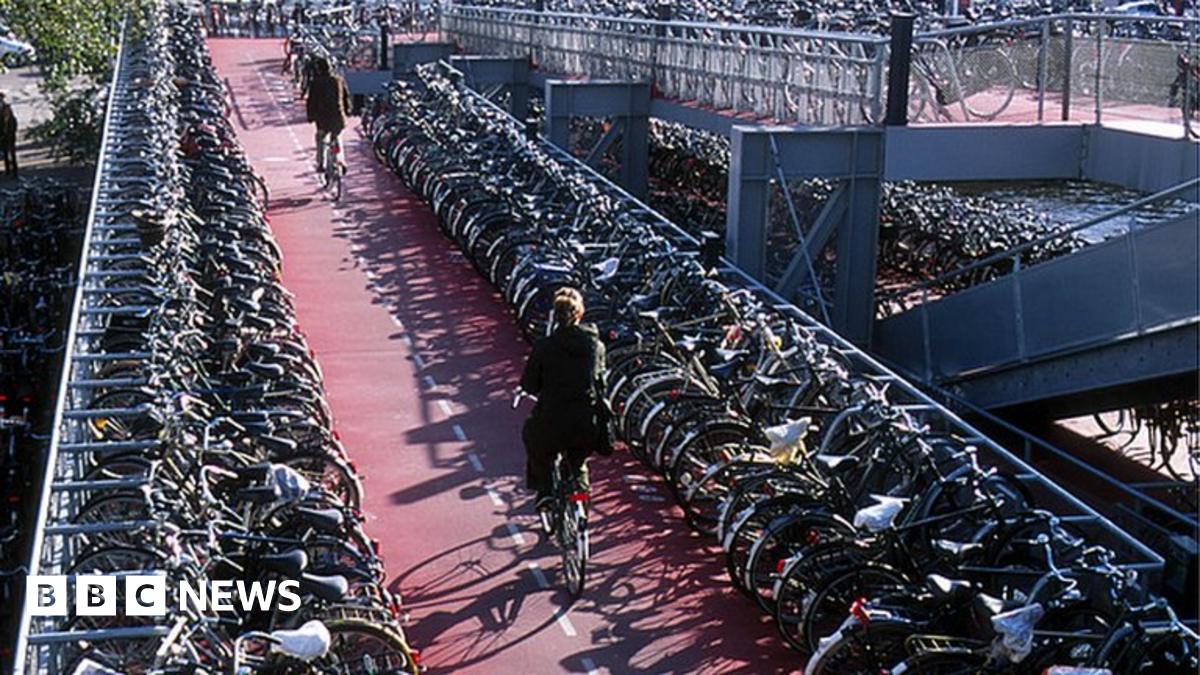
It also includes a decrease in the rates of road construction, parking garages and other means that the authors consider to encourage car ownership.
The report also states that, without changes in policies and investments, rapid urbanisation will result in emissions from urban transportation almost doubling from 2010 levels by 2050.
“The traffic congestion we see today will become much greater and will result in many more hours being stuck in traffic,” Mr Replogle said, adding that congestion would also have a detrimental impact on nations’ economic activity, as people would be late getting to work or meetings.
“People will have to spend much more on transport that will serve them much less well.”
He told BBC News that there were signs that policymakers and city planners were embracing a “high shift” vision of the future.
“For example, in cities… that have reallocated street space to build modern world-class bus rapid transit (systems)… have basically got a subway level of service on the surface for a fraction of the cost and a lot better places to walk and cycle, which has change the way people travel,” he explained.
“Now, middle-class people are now increasingly taking public transport or using the public bikes instead of taking a car. Lower class people who cannot afford cars have better mobility. Everyone benefits from not being stuck in traffic for hours.”
Mr Replogle said one of the main barriers hampering the transition towards more effective public transit systems was inertia among political leaders and decision makers.
There are literally trillions of US dollars of investment capital waiting for good opportunities to invest in public transport,” he suggested.
“What’s needed is for governments to work with development banks and other institutions to help give a green light to the kind of projects that can reallocate street space to favour public transportation, bicycles and walking.
He observed: “Unlike energy strategies that require investment in more costly technologies, this is a set of investments that simply require investing in better public transportation and making streets safe to walk and bike.”