
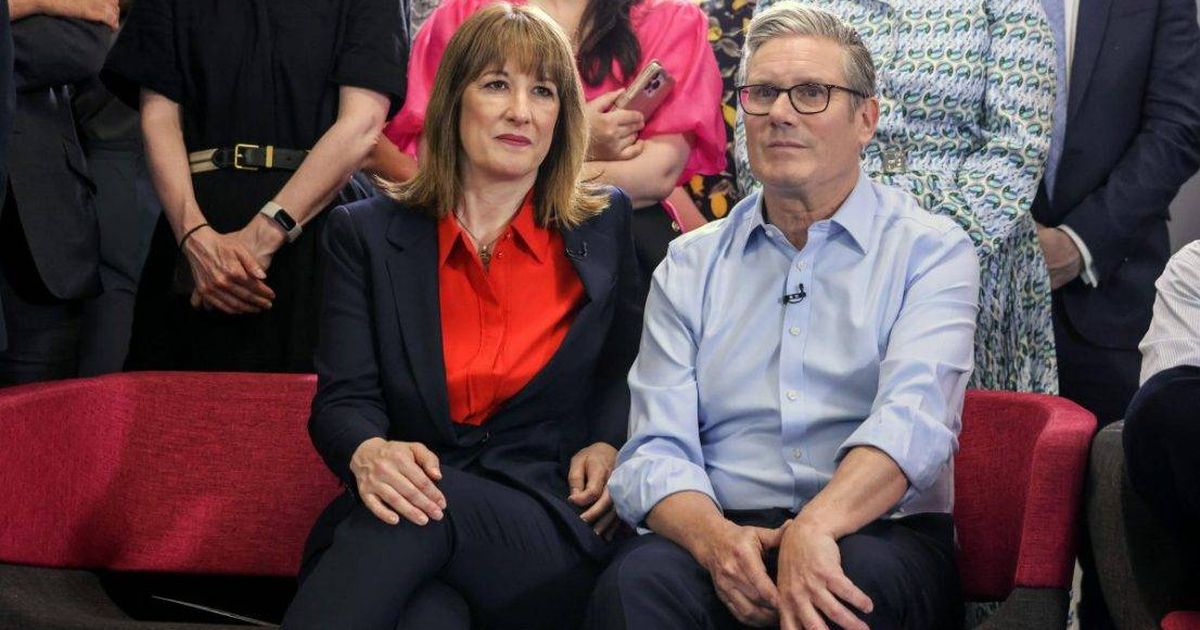
The Labour government has committed to higher benefit spending over the next five years, piling more pressure on Rachel Reeves ahead of the Autumn Budget at the end of November

The Labour Government is backing increased spending on benefits for the next five years, with plans to partially lift the two-child benefit cap set to add further pressure on public finances.
Planned cuts to Personal Independence Payment (PIP) have officially been abandoned. An official policy statement from the Government on October 30 has confirmed that, instead, disability minister Stephen Timms is conducting a full review of PIP, which is anticipated to bring forward recommendations for improving the system in Autumn 2026.
Lowering the level of welfare payments would improve incentives to work, the Government had previously argued. However, a backbench rebellion saw dozens of MPs oppose £5 billion cuts to disability payments.
READ MORE:
In a statement on Thursday, the Government confirmed the review would have to operate within the Office for Budget Responsibility’s (OBR) forecast in March, stating that PIP expenditure would nearly double from £18 billion to £34 billion by 2029/2030.
“The Government is committed to making sure the system is sustainable and so the work of the Review will operate within the OBR projections for future PIP expenditure, to ensure it is there to support generations to come,” it said.
“We want to ensure public money is spent as effectively as possible in supporting disabled people to live independent and fulfilling lives. We are therefore undertaking this wider Review with the aim of making sure that PIP fairly reflects the reality of the impact of people’s conditions in the modern world.”
The policy document was published just hours before a report surfaced suggesting that Labour plans to proceed with changes to the two-child benefit cap, a move that could cost £3.5 billion.
Chancellor Rachel Reeves is anticipated to announce these measures at the Budget as part of initiatives to combat child poverty, but the limit would not be completely scrapped, according to the Financial Times.
This could exacerbate the deficit Reeves faces at the Budget, with harsh OBR productivity downgrades contributing to an estimated £30 billion fiscal gap that needs to be filled with spending cuts and tax increases.
Previous reports have suggested that the Government might replace the cap on Universal Credit child payments with a tapered system, where the amount decreases for each additional child.
An anonymous Labour MP told the Financial Times that increasing income tax and making new spending commitments would be “mad”.
The Conservatives and Reform have each pledged to make multi-billion-pound cuts to disability payments, drastically reducing benefits for individuals with non-serious health conditions.
While the Tories want to retain the two-child benefit cap and have criticised Labour for contemplating a spending increase, Reform’s Nigel Farage suggested that lifting the cap could potentially stimulate fertility rates in the UK.
Get breaking news on BirminghamLive WhatsApp. Join our dedicated community for the latest updates sent straight to your phone as they happen.
You can find out more about cost-of-living issues in our Money Saving Newsletter, which is sent out daily via email with all the updates you need to know on pensions, PIP, Universal Credit, benefits, finances, bills, and shopping discounts. Get the top stories in your inbox to browse through at a time that suits you.