
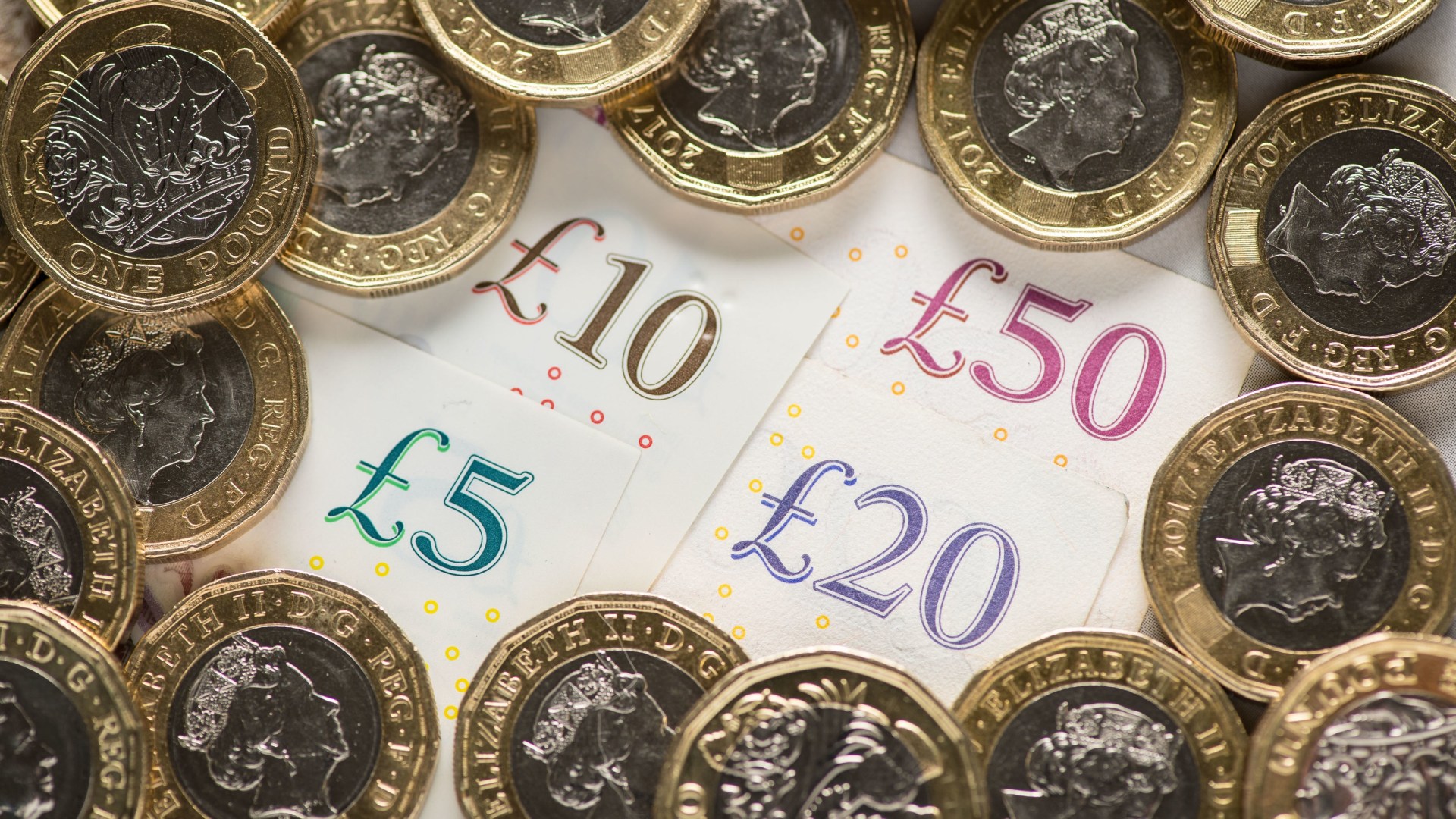
INFLATION has risen again in a blow to households, latest official figures show.
The rate of Consumer Prices Index (CPI) inflation rose to 3.4% in December from 3.2% in November, the Office for National Statistics (ONS) said.

Inflation has been static or falling since last summer, and had fallen sharply in November following an easing of rising food costs.
However, December’s rate comes in slightly below the 3.5% predicted by economists.
The rise will also come as a blow to Prime Minister Keir Starmer, who has pledged to tackle the cost of living for millions of British families and bring down bills.
Responding to the figures, Chancellor Rachel Reeves pledged that 2026 is the “year that Britain turns a corner”.
“My number one focus is to cut the cost of living,” she said.
“At the budget I announced £150 off energy bills, a freeze to rail fares for the first time in 30 years, a freeze to prescription charges for the second year running, and an increase to the national minimum and living wage.
“Money off bills and into the pockets of working people is my choice.
“There’s more to do, but this is the year that Britain turns a corner.”
Shadow Chancellor Mel Stride blamed the rise in inflation on Labour’s “economic mismanagement”, adding that “their Budget is unravelling day by day.”
“A record-high tax burden and irresponsible borrowing are stifling growth and fuelling inflation – leaving working people worse off,” he said.
The December increase was partly driven by higher tobacco prices, after the government recently hiked excise duties.
Rising airfares and food prices also drove up inflation last month, experts said.
ONS chief economist Grant Fitzner said: “Inflation ticked up a little in December, driven partly by higher tobacco prices, following recently introduced excise duty increases.
“Air fares also contributed to the increase with prices rising more than a year ago, likely because of the timing of return flights over the Christmas and new year period.
“Rising food costs, particularly for bread and cereals, were also an upward driver.
“These were partially offset by a fall in rents inflation and lower prices for a range of recreational and cultural purchases.”
What it means for your money
Inflation, also known as CPI, measures the rate at which the cost of goods and services is rising or falling.
It impacts your spending power and how far your money can go.
Rising inflation means prices are rising at a faster rate, pushing up grocery and household bills.
The Bank of England may keep interest rates higher for longer to control inflation, which could mean that mortgage rates will rise again, while credit card interest will also remain higher.
Last week, a Bank of England top boss signalled that interest rates are set to fall again this year thanks to inflation and cooler energy prices.
But there’s a risk they could remain high if inflation continues to creep up.
Myron Jobson, senior personal finance analyst at interactive investor, said: “While the increase might come as a shock to households, it’s important to remember that CPI inflation is an annual measure, comparing prices to what they were a year ago.
“Britons should approach headline inflation figures with perspective. Everyone has an inflation rate that is unique to them, depending on their individual spending habits.
“It’s crucial to focus on maintaining financial resilience in uncertain times – whether by reviewing budgets, building up emergency savings, or managing debt – to better weather any bumps along the road ahead.”
Why does inflation matter?
INFLATION is a measure of the cost of living. It looks at how much the price of goods, such as food or televisions, and services, such as haircuts or train tickets, has changed over time.
Usually people measure inflation by comparing the cost of things today with how much they cost a year ago. The average increase in prices is known as the inflation rate.
The government sets an inflation target of 2%.
If inflation is too high or it moves around a lot, the Bank of England says it is hard for businesses to set the right prices and for people to plan their spending.
High inflation rates also means people are having to spend more, while savings are likely to be eroded as the cost of goods is more than the interest we’re earning.
Low inflation, on the other hand, means lower prices and a greater likelihood of interest rates on savings beating the inflation rate.
But if inflation is too low some people may put off spending because they expect prices to fall. And if everybody reduced their spending then companies could fail and people might lose their jobs.
See our UK inflation guide and our Is low inflation good? guide for more information.