
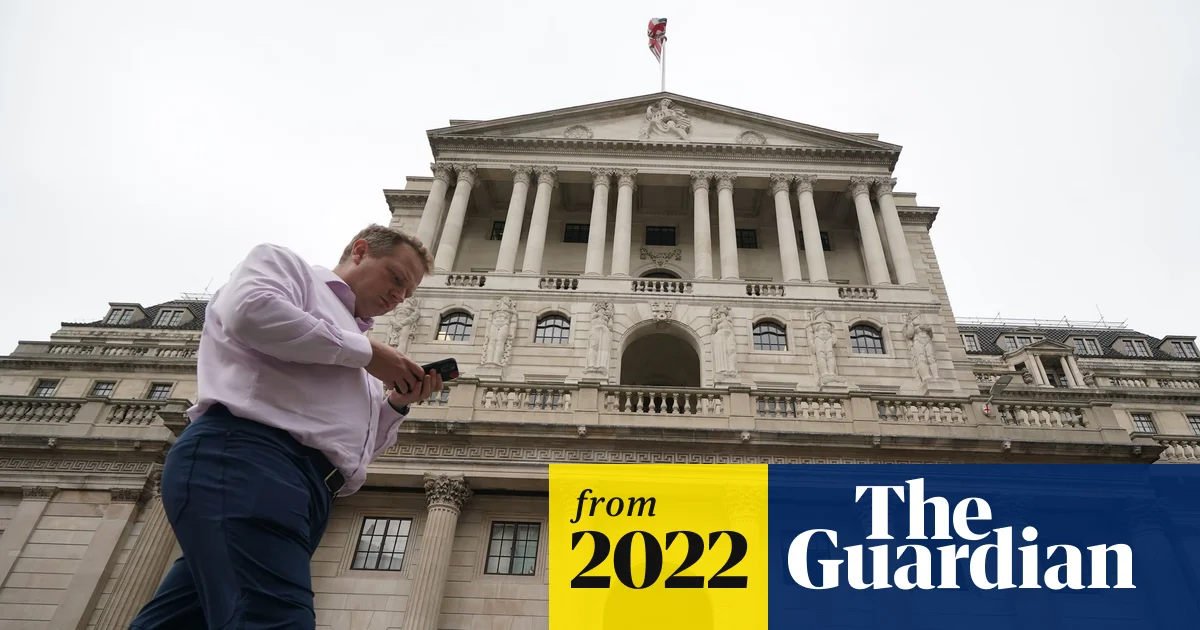
Kwasi Kwarteng’s tax-cutting mini-budget triggered a collapse in the pound and surge in the UK’s borrowing costs.
Sterling fell at one point on Monday to its lowest level against the dollar in history. According to Deutsche Bank, the UK’s borrowing costs for 10-year government bonds have risen by the most in a five-day period since 1976 – the year Britain went cap in hand to the IMF for a bailout.
What are bond yields?
A bond is a loan that investors make to a bond issuer. Governments, companies and other organisations issue them when they need to raise money. The bond market is the biggest securities market in the world, worth more than $100tn (£93tn). UK government bonds are also commonly referred to as gilts.
Bond yields represent the amount of money an investor receives for owning the debt as a percentage of its current price. When the price of a bond falls, yields rise. The yield is also commonly referred to as an interest rate, or the “cost of borrowing” to an issuer.
Rising bond yields suggest a lack of willingness among investors to own the debt, as buyers demanding a lower price to buy them.
Why are yields rising?
Britain’s borrowing costs have soared as investors turn sour on the prospects for the economy and public finances. Yields on 10-year bonds have risen above 4%, the highest since the 2008 financial crisis, and more than triple the 1.3% rate at the start of the year.
Bond yields have risen across advanced economies this year as high inflation, exacerbated by Russia’s war in Ukraine, hits global growth.
However, the UK has suffered a more punishing sell-off, drawing comparisons to an emerging market economy such as Mexico rather than the world’s fifth largest. There are three key reasons.
First, Kwarteng’s mini-budget is viewed as the main trigger for the recent surge, after the chancellor announced £45bn in unfunded tax cuts.
To finance higher borrowing to pay for the tax cuts, an extra £72.4bn in debt sales are now planned for the current financial year alone. On top of this, the Bank of England plans to sell about £40bn of bonds over the next year to winds down its quantitative easing programme.
Over this financial year and next, Deutsche Bank expects gilt sales will total more than £250bn, the highest funding requirement since at least the 1990s. This is likely to lead investors to demand lower prices – meaning higher yields – to buy such large volumes.
Second, Britain’s economy is suffering a bigger inflationary shock than other nations, given a relatively higher reliance on gas. Brexit is also affecting trade, while the UK has a large negative balance of payments – meaning more is spent on foreign goods, services and investment than is brought in from overseas.
Third, the Bank of England is viewed by some investors as being behind the curve on tackling inflation. The central bank raised interest rates by 0.5 percentage points to 2.25% last week, compared with a tougher 0.75-percentage point move by the US Federal Reserve.
Kwarteng’s tax cuts and the government’s energy price guarantee are expected to add to already high inflation and do relatively little for long-term economic growth, adding to pressure on the Bank to raise rates. Investors expect it to raise rates to nearly 6% as early as February.
Why does it matter?
Rising borrowing costs will make it more expensive for the government to service its debts. Analysts at Bank of America say there are the chances of a “feedback loop,” that a weaker currency leads to higher inflation, a higher bond yield, and more government borrowing.
The Resolution Foundation estimates the rise in yields could add about £14bn to borrowing by 2026-27, and come in the context of a mini-budget that had already planned to raise total borrowing by over £400bn over the next five years.
Households could also suffer a big hit, offsetting much of the gains from Kwarteng’s tax cuts.
The Bank of England raising interest rates above 5% would have a massive impact for households and businesses, with many consumers having only experienced rates close to zero over the past decade.
If mortgage rates rise to 6%, the average household refinancing a two-year fixed-rate mortgage in the first half of 2023 would face a jump in monthly repayments to £1,490, from £863, according to Samuel Tombs, the chief UK economist at the consultancy Pantheon Macroeconomics.
Higher borrowing costs could also cause a sharp drop in house prices, further hitting household finances, with a negative knock-on impact for the wider economy.