
-
DR Congo approved 96 projects in 2025 with projected investment of $5.13 billion, up 125.7% from 2024.
-
Foreign direct investment accounted for 84.39% of approved amounts, reflecting strong international interest.
-
Approved projects should generate 8,383 direct jobs, according to ANAPI.
The National Agency for Investment Promotion approved 96 projects and applications in 2025, with projected investment totaling $5.13 billion. The agency reported a 125.7% increase compared with 2024. The approval council reviewed 190 files during the year, up from 114 in the previous year, according to ANAPI.
The approval momentum relied largely on foreign direct investment. ANAPI said foreign capital represented 84.39% of approved amounts in 2025. The agency said this share reflected growing international investor interest in capital-intensive projects in the Democratic Republic of Congo.
Sector data published by ANAPI showed a concentration of investment in services, which absorbed 61.47% of approved amounts. Energy projects accounted for most of this category. The industrial sector ranked second with 32.23%, confirming a still-cautious shift toward processing and manufacturing activities.
From a geographic perspective, ANAPI said Lualaba province attracted $1.38 billion in approved investments. Haut-Katanga followed with $868.6 million. In parallel, the agency identified interprovincial projects worth a combined $1.9 billion, signaling investor interest in projects with national reach.
ANAPI projected that the approved projects would generate 8,383 direct jobs.
Priorities for 2026
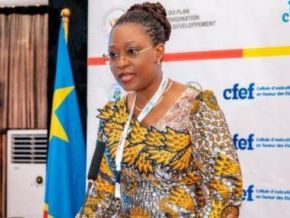
The rise in approvals followed the appointment of Rachel Pungu Luamba as head of ANAPI on December 16, 2024. The former internal auditor at the Central Bank plans to maintain the momentum in 2026.
ANAPI listed its priorities as completing the revision of the Investment Code, accelerating the full digitalization of services, strengthening the agency’s provincial presence, developing international strategic partnerships, and promoting inclusive investment that creates jobs and local value added.
The Democratic Republic of Congo has launched broader reforms targeting investment and the business climate. Authorities plan to draft a national investment policy and revise the Investment Code. According to ANAPI, the current framework suffers from heavy administrative procedures, unclear tax incentives, and limited alignment with the country’s structure of 26 provinces.
Boaz Kabeya (Bankable)