
By revoking Quality Control Orders (QCOs) on key industrial input items, such as copper and aluminium, and on chemical intermediaries that play a crucial role in the textile value chain, the Indian government has begun a comprehensive overhaul of the standards framework.
QCOs are the legal directives issued by government ministries or departments under the Bureau of Indian Standards Act, which requires products made or imported into India to meet a specific standard. While QCOs were welcomed by large industrial houses seeking greater control and dominance over the market, they were met with sharp pushback from the Micro, Small and Medium Enterprises (MSMEs), for whom the cost of importing essential input items mostly surged, posing additional challenges in production and staying competitive.

The pullback came in the backdrop of an internal NITI Aayog report by a high-level committee headed by former Cabinet Secretary Rajiv Gauba. It said that a majority of the QCOs cover raw materials and intermediate products rather than finished goods, which is the norm globally. In the absence of an adequate number of testing facilities in the country, the new standards ended up causing “operational complexity” for MSMEs and “market concentration”.
The surge in the use of these orders had a massive impact on supply chains. Between 2016 and 2025, the number of products brought under mandatory QCO coverage grew more than 11 times — from fewer than 70 to nearly 790.
Driven by the Commerce Ministry, not Consumer Affairs
The ramping up of QCO enforcement gathered momentum, particularly over the last three years, amid multiple trade-related concerns. There was a surge in imports from China, with annual goods imports crossing $100 billion, and a lack of standards in the domestic economy compared to countries with which New Delhi was negotiating free trade agreements (FTAs), like those in the West. Without quality standards, even improved market access would not have translated into higher exports.
The Research and Information System for Developing Countries (RIS) said in its report that ideally, the push for expanding the scope of technical regulations should have been led by the Department of Consumer Affairs, particularly since the Bureau of Indian Standards (BIS) falls under its administrative control and already had enabling legislation in the form of the BIS Act. However, the actual impetus came from the Department of Commerce, driven by “strategic trade and market-access concerns”.
“The Department of Commerce recognised that QCOs could serve as a non-tariff trade tool to help manage the growing trade deficit, and that the adoption of domestic technical regulations aligned with international standards could prepare Indian products to access advanced markets, generating greater value for producers from their exports,” the RIS report said.
Story continues below this ad
As the government rushed to meet its trade goals, which meant seizing the China-plus-one global diversification opportunity by signing as many free trade agreements as possible, the domestic industry faced a steep compliance challenge.
RIS pointed out that there is currently no structured mechanism through which industry, especially MSMEs, can reliably access competent manpower for implementing regulatory standards. Bridging this gap is essential to ensure that compliance is practically achievable across the value chain.
“This reveals a deeper lack of coordinated action across ministries, where regulatory mandates are being executed in isolation rather than as part of a synchronised industrial and governance strategy. For QCOs to be truly effective, India’s approach must combine regulatory intent with institutional preparedness and stakeholder participation,” the report said.
Weaker implementation led to market concentration
With large corporations better able to lobby for more and more QCOs that helped them restrict imports and reduce competition, market concentration increased in several key sectors, including labour-intensive sectors such as textiles. MSMEs not only raised concerns but, like in the case of copper cathode, also approached the courts.
Story continues below this ad
The NITI Aayog pointed out that, due to challenges faced by global suppliers in obtaining BIS certification, the implementation of QCOs has, in effect, led to “greater concentration among domestic suppliers in some sectors, giving them the ability to raise prices above global levels”.
“For instance, polyester fibre, yarn and some steel products command 15–30 per cent price premiums over global benchmarks, affecting the cost competitiveness of downstream industries in the international market. This is one of the main reasons for India’s declining share in global apparel exports despite the withdrawal of anti-dumping duties on select products,” the report said.
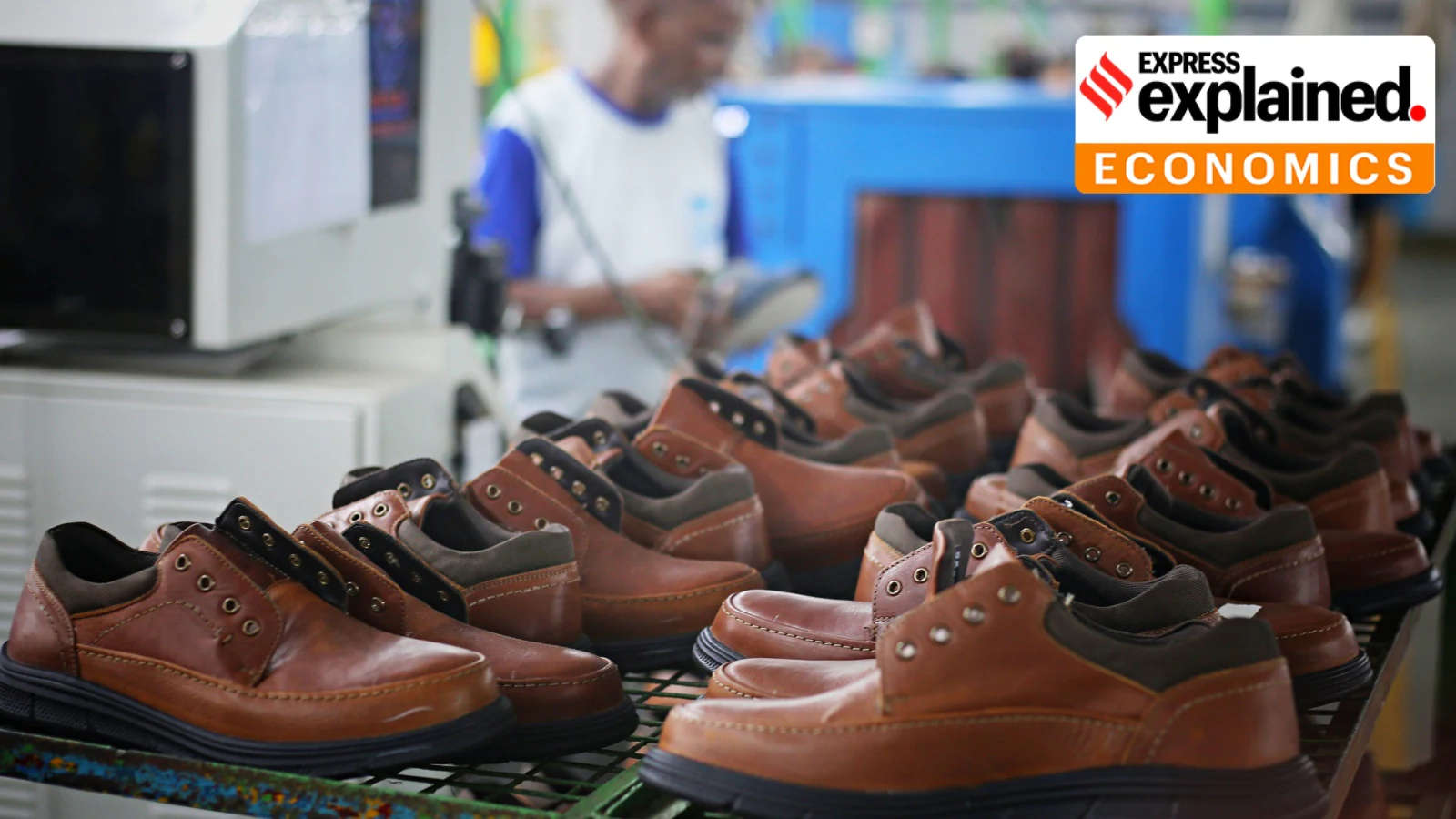
It added that quality control norms have affected the competitiveness of export-intensive and employment-oriented sectors such as footwear and electronics, which employ around 4.5 million people. Both sectors depend on imported intermediate materials that determine end-product performance and design flexibility.
“The QCOs on intermediate products critical for these sectors have disrupted access to items that are either not produced in India or are manufactured by very few suppliers,” the think tank said.
FDI, investment in human capital can build quality
Story continues below this ad
A 2015 WTO working paper said that trade liberalisation leads to faster quality upgrading, particularly in agriculture, but also in manufacturing. However, QCOs caused a decline in the availability of essential raw materials and inputs for MSMEs.
“A one standard deviation increase in trade liberalisation accelerates quality convergence by 0.2 per cent per year in agriculture and 0.1 per cent per year in manufacturing. Agricultural liberalisation leads to faster agricultural quality upgrading only in the basic specification,” the WTO report said. “An increase in FDI inflows of 1 percentage point of GDP is associated with a 0.05 per cent per year increase in export quality in the other natural resource sector,” it added.
Institutional quality also matters for quality upgrading in both manufacturing and agriculture, though not in other natural resources, the paper noted. Its impact grows in magnitude and statistical significance when extended specifications are considered. Increasing human capital by one standard deviation accelerates quality convergence by 0.1 per cent per year, but only in manufacturing, the WTO report said.