
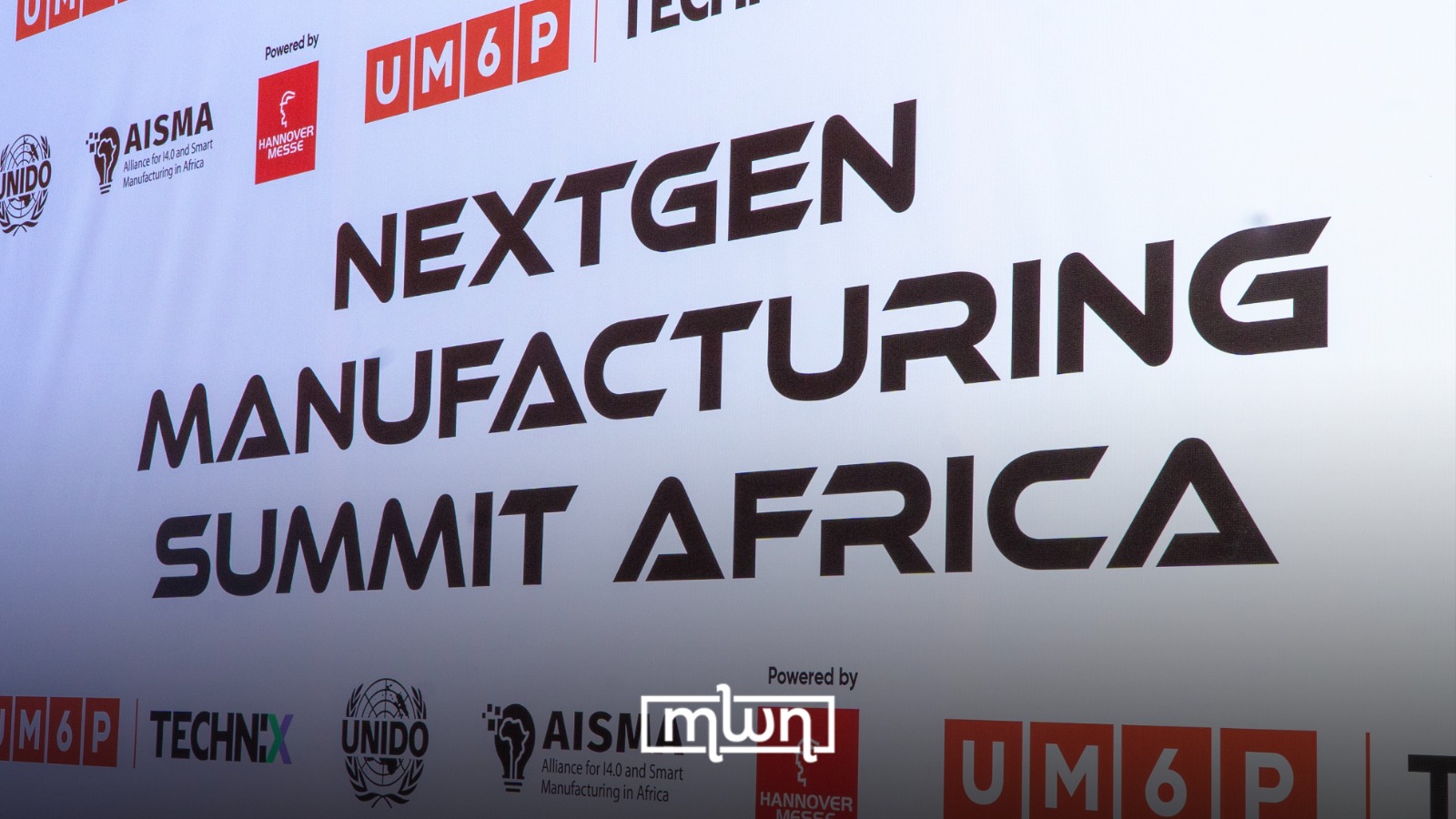
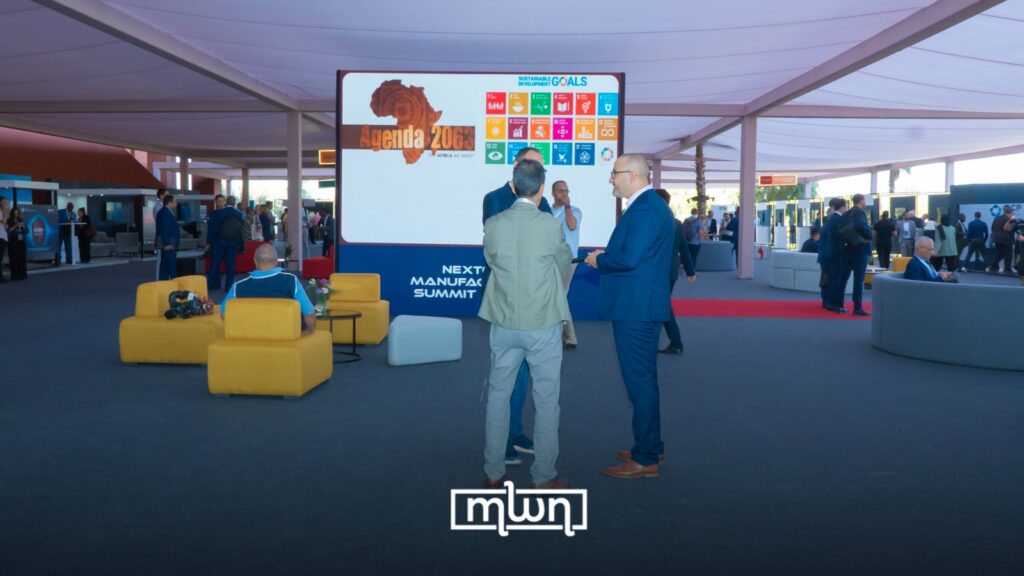
Benguerir — The NextGen Manufacturing Summit Africa opened Monday at Mohammed VI Polytechnic University (UM6P), bringing together industry leaders, policymakers, and technologists to define Africa’s path toward Industry 4.0.
The two-day event, organized by UM6P TECHNIX, Deutsche Messe AG/Hannover Messe, and UNIDO’s Alliance for Industry 4.0 and Smart Manufacturing in Africa (AISMA), focuses on digital transformation and skills development for African manufacturing.
The summit addresses digital transformation, artificial intelligence, automation, industrial sustainability, and financing. A core focus is building African talent for emerging industrial roles.
Smart factory academy announced
Organizers announced plans for a Smart Factory Academy in Casablanca, a partnership between UM6P TECHNIX, Deutsche Messe AG/Hannover Messe, and INNOVX. The facility will train professionals in automation, robotics, AI, industrial cybersecurity, and digitalization.
The summit also launches Industrial Transformation Africa 2026, a HANNOVER MESSE-labeled trade show scheduled for Casablanca that will connect manufacturers, technology providers, startups, and investors.
Mohamed Laklalech, Director General of UM6P TECHNIX, said the summit reflects the university’s commitment to skills development. “Hosting the NextGen Manufacturing Summit Africa reflects our conviction that the continent can build its own models of competitiveness, based on innovation, technology, and, above all, human talent.”
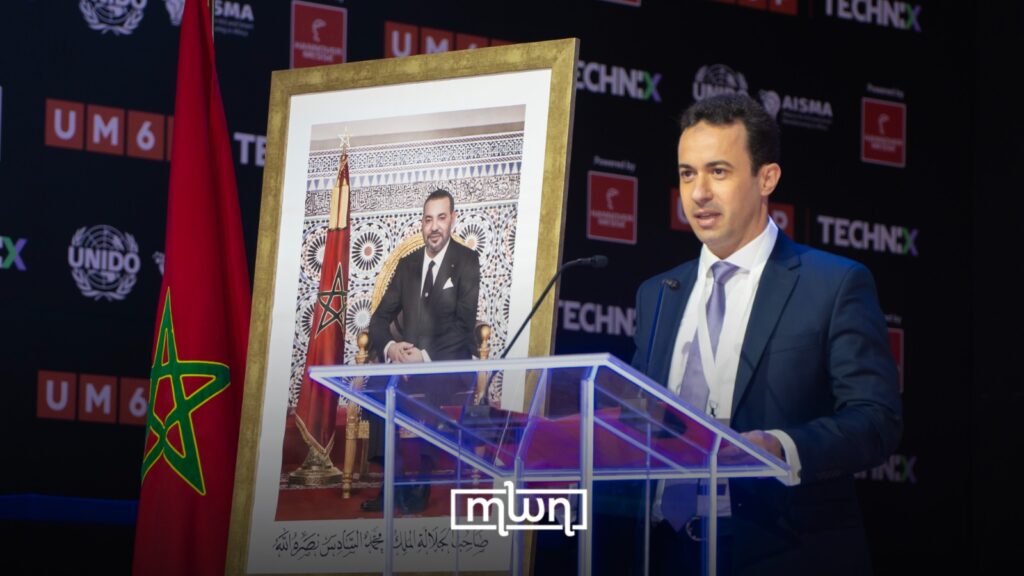
Thomas Rilke, Division Manager at Deutsche Messe AG/Hannover Messe, stressed the vitality of collaboration. He said that “by bringing Hannover Messe’s expertise and its industrial academy to Africa through the NextGen Summit, we’re contributing to strengthening a dynamic already underway on the continent.”
Critical moment
The summit comes as global supply chains shift and manufacturing footprints relocate. Africa faces the challenge of adopting Industry 4.0 technologies while addressing infrastructure gaps, skills shortages, and financing barriers.
UM6P TECHNIX operates specialized institutes covering manufacturing, digital technology, mining, energy, agriculture, and industrial leadership. Its programs combine classroom training with immersive industrial experience.
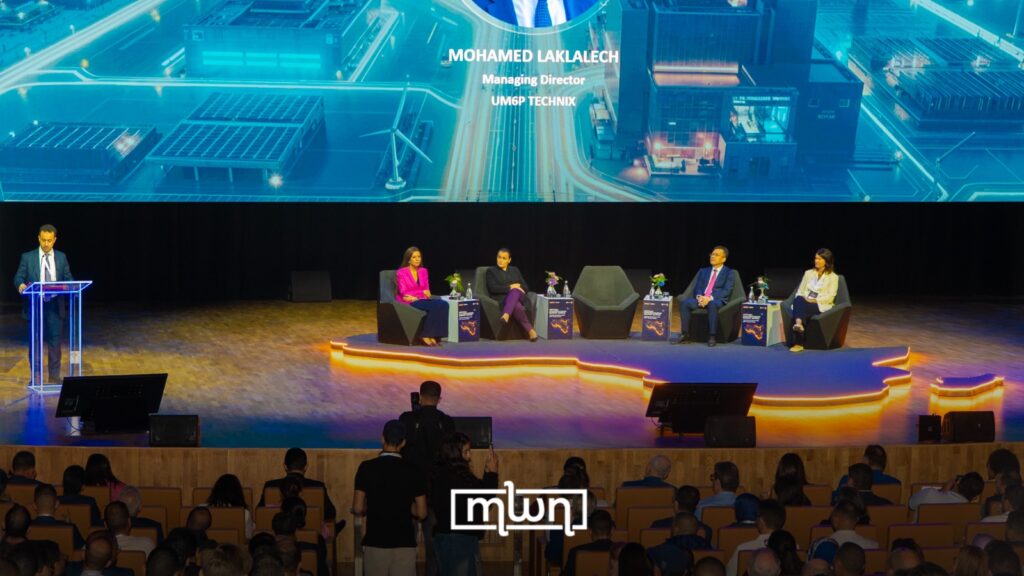
Key questions facing participants: How can Africa leapfrog traditional manufacturing stages? What policies enable sustainable industrial growth? And how can African nations build the human capital to lead the next industrial revolution?
Building capacity
Laklalech acknowledged challenges, noting that only a fraction of African firms currently use advanced technologies like IoT or AI, and over 40% of employers struggle to find workers with technical skills.
“If we could not close these gaps, we risk missing this historic train of transformation,” he warned.
But, Laklalech pointed to existing progress across the continent: Morocco’s automotive industry exports around 700,000 vehicles annually with smart logistics support; South African mines use IoT sensors and predictive maintenance; Kenyan and Nigerian startups enable cloud-based production optimization; and Rwandan drones deliver medical supplies to remote areas.
These are not isolated experiments; these are proof of the continent’s ambition and proof that African innovation can inspire the world,” he said.
“Industry 4.0 is not out of reach. It is already being tested, adopted here in Africa. What we need now is to scale it up everywhere, for everyone.”
He drew comparisons to global Industry 4.0 impacts: European predictive maintenance and AI delivering productivity gains of 30-50%; Chinese lighthouse factories achieving cycle time reductions of nearly 50%; and US smart inspection systems reducing defects by over 40%.
“Competitiveness today is no longer defined only by lower costs. It is defined by the capacity to innovate faster, to produce smarter, and to operate more sustainably.”
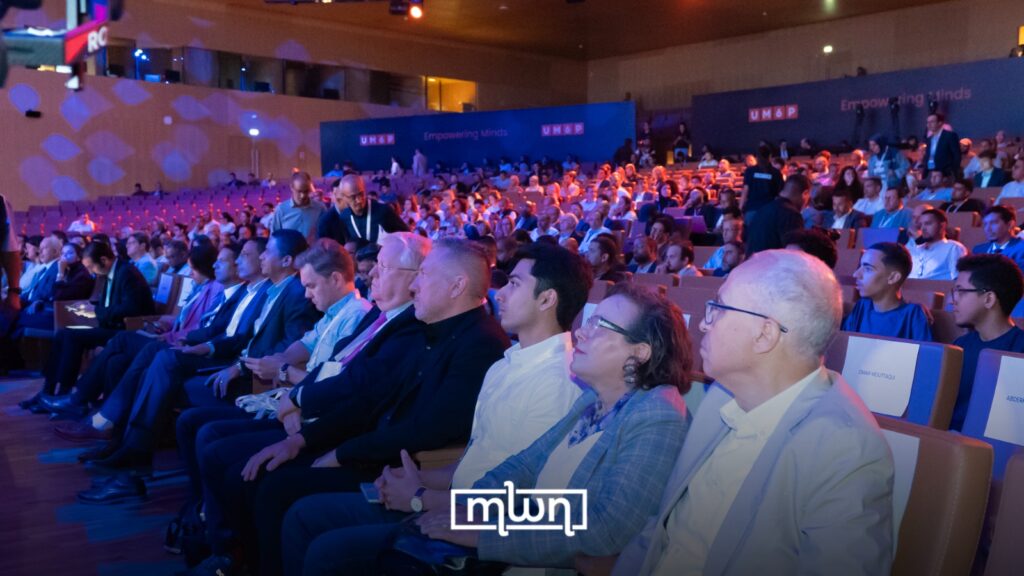
The summit continues through Tuesday with panels looking at ways to shape Africa’s path toward Industry 4.0.