
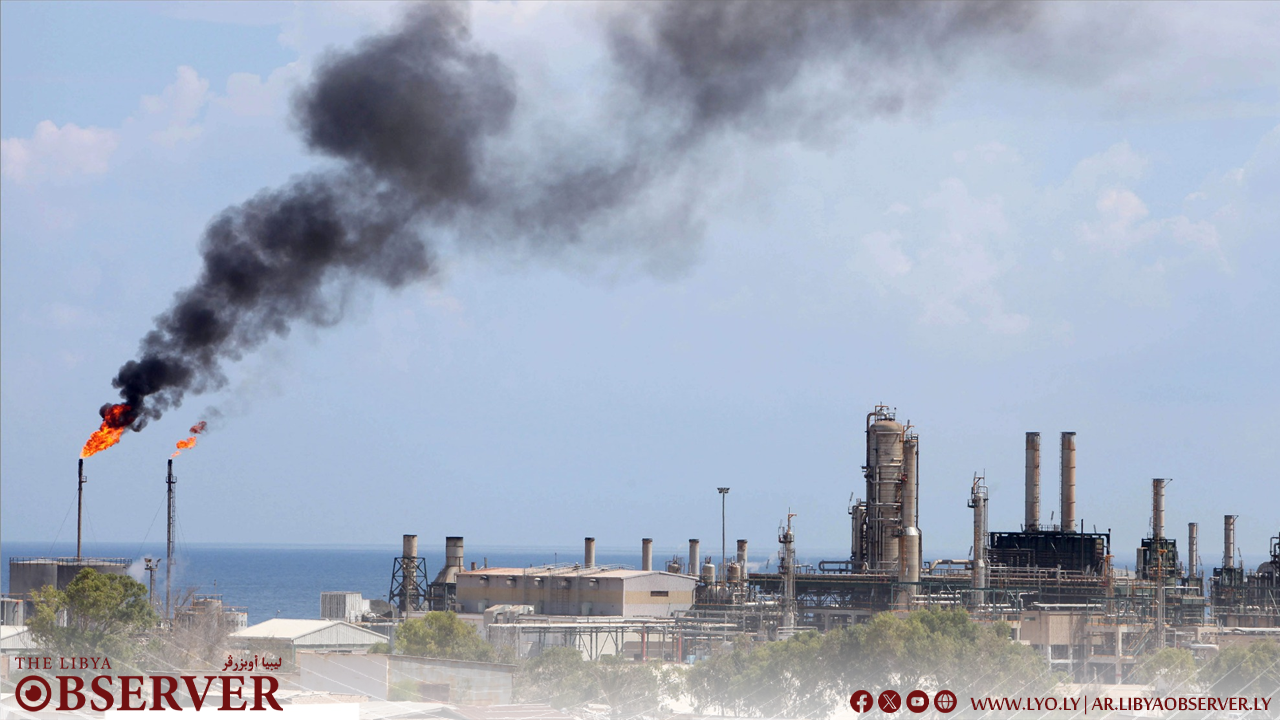
The Chairman of the National Oil Corporation, Masoud Suleiman, said that boosting domestic fuel production is one of the key pillars for improving the national economy, noting that Libyan oil refineries suffer from simple designs, outdated technologies, and weak output—creating a clear gap between refinery production and local market consumption.
In a post on his Facebook page, Suleiman explained that the total refining capacity of local refineries stands at 380,000 barrels per day (bpd) across five basic refineries, while actual production currently amounts to about 180,000 bpd, following the shutdown of the Ras Lanuf refinery in 2013. This situation has increased reliance on imported fuel.
He added that upgrading existing refineries and raising refining capacity to 660,000 bpd; alongside the construction of a new refinery and the Southern Refinery, would enhance domestic fuel production, reduce dependence on imports, and improve the economic viability of the oil sector.
Suleiman noted that the expected impact of developing the refining industry would lead to self-sufficiency in gasoline in 2037, cooking gas in 2033, and diesel in 2034, contributing to greater stability in the local market and providing sustainable support to the national economy.
He stressed that current challenges will not deter the Corporation’s efforts to build a more efficient and sustainable oil sector that serves citizens and strengthens the oil industry’s contribution to national development.