
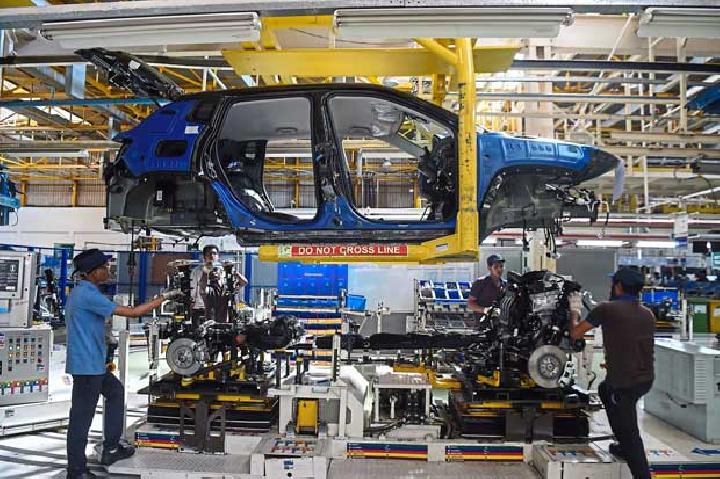
TEMPO.CO, Jakarta – Indonesian Industry Minister Agus Gumiwang Kartasasmita stated that the conflict between the U.S.-Israel and Iran triggered global energy price volatility and disrupted international trade routes, which could affect the competitiveness of the local manufacturing sector.
“We are constantly monitoring the developments of the conflict in the Middle East because the region is one of the world’s energy centers and a very important global logistics route,” said Agus Gumiwang in a written statement on Thursday, March 5, 2026.
According to Agus Gumiwang, the potential disruption of the global energy distribution system would have the most significant impact on the manufacturing sector. He said that the Middle East, especially the Strait of Hormuz, is a vital route for global oil trade. Around one-fifth of global oil supplies pass through this route. Therefore, any disruption in that area could cause international energy prices to surge.
Agus Gumiwang also highlighted the drastic decrease in tanker traffic due to the escalating geopolitical situation in the region. As a result, global oil price hikes are inevitable.
He said the increase in global energy prices will directly affect the manufacturing industry because most industries consider energy to be a significant production cost. Agus cited industries such as petrochemicals, base metals, cement, and fertilizers as being very sensitive to energy price fluctuations.
In the long term, rising global energy prices will cause production costs to soar. Agus Gumiwang said this situation could erode production efficiency and product competitiveness in domestic and export markets.
Geopolitical conflicts can also affect the availability of imported industrial raw materials. Industries that are dependent on imported raw materials, such as the chemical industry, petrochemical industry, textiles, metals, and the food and beverage industry, will be the most affected.
Additionally, geopolitical tensions could increase the cost of acquiring raw materials and extend delivery times by altering global logistics routes.
The minister also mentioned how disruptions in international trade routes could affect the export performance of the manufacturing sector. He said that geopolitical tensions generally trigger global market volatility, resulting in fluctuating demand from export destination countries. “Indonesia’s manufacturing industry export performance has been heavily influenced by global economic stability and international market demand,” said the Golkar party politician.
To maintain the resilience of the national industrial sector, Agus Gumiwang stated that the government is trying to strengthen the upstream industrial structure, increase the use of domestic raw materials, and expand export market diversification.
Agus Gumiwang advocated for improving energy efficiency in the industrial sector and accelerating the transition to a green industry. This would reduce dependence on fossil fuels, whose prices are greatly affected by geopolitical dynamics.
To ensure that the national manufacturing sector continues to grow and remains competitive amidst global dynamics, the Minister of Industry stated that the Ministry of Industry will continue to coordinate with industry players, associations, and relevant ministries/agencies.
Read: Minister Assures Safety of Indonesian Migrant Workers in Middle East
Click here to get the latest news updates from Tempo on Google News