
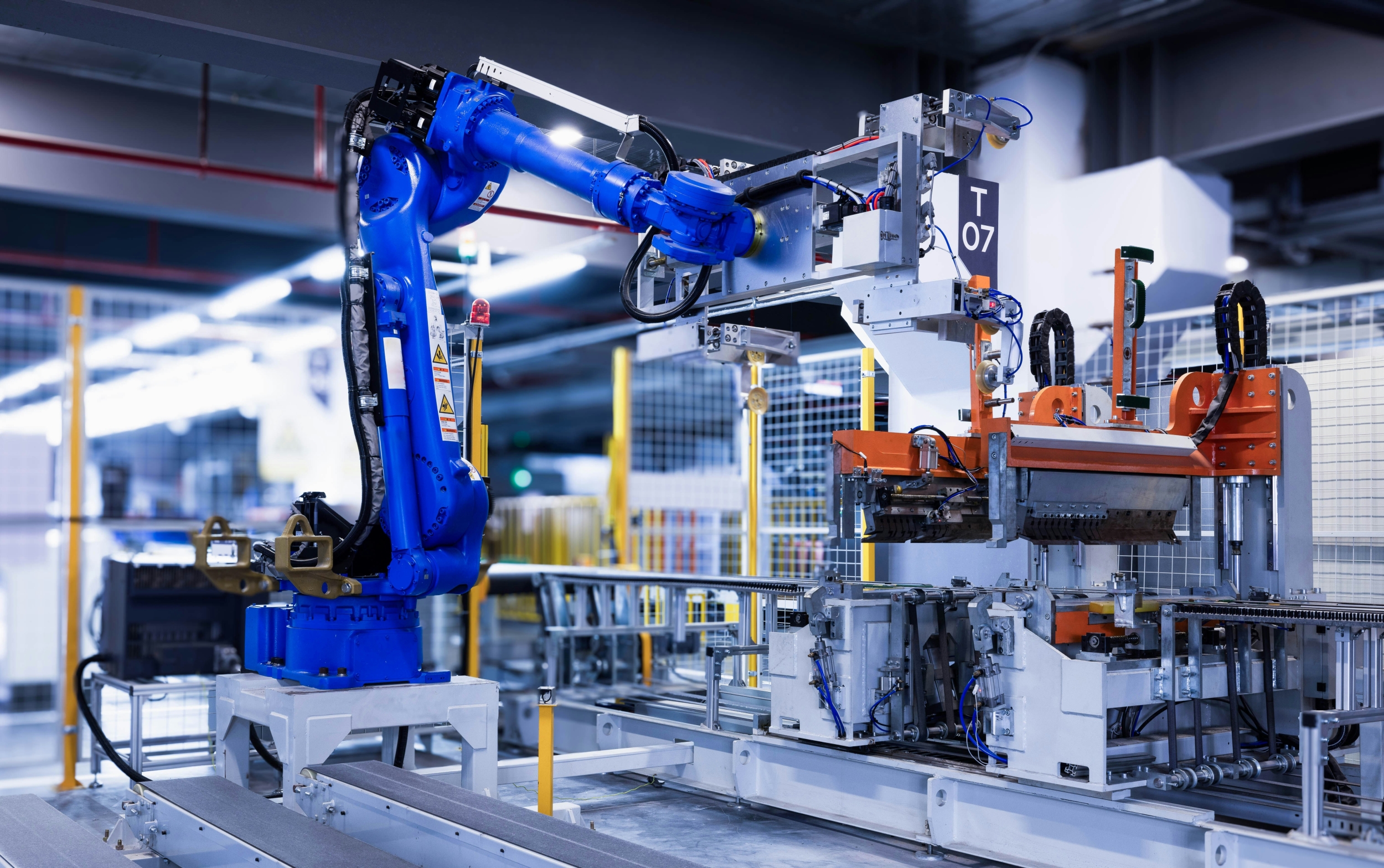
Robotics-as-a-Service(RaaS) is reshaping industrial automation by turning high-cost robots into subscription-based tools. Companies can now access warehouse automation robots, delivery bots, or manufacturing cobots without paying upfront, shifting capital expenditures into predictable operational costs. RaaS business model subscriptions include ongoing software updates, maintenance, and fleet management, enabling scalability according to demand—retailers can add bots during peak seasons, and manufacturers can adjust production lines without new purchases.
This approach democratizes access to advanced robotics, letting small enterprises compete with larger operations while enabling established companies to optimize cash flow and reduce downtime. Coupled with predictive maintenance RaaS and cloud-based control, automation robots become both cost-effective and flexible. By leveraging RaaS, businesses gain agility, improve operational efficiency, and accelerate adoption of Industry 4.0 robotics across multiple sectors.
What Is Robotics-as-a-Service (RaaS)?
Robotics-as-a-Service delivers automation robots through subscription models that cover deployment, monitoring, and ongoing upgrades. Instead of purchasing robots outright, businesses pay fees that include software, support, and predictive maintenance RaaS. This approach reduces financial risk, since companies avoid large upfront investments in expensive robotics hardware.
Automation robots in RaaS are updated remotely to maintain performance and comply with safety standards. Providers often include fleet management tools to monitor usage, productivity, and robot health. Cloud orchestration ensures robots integrate smoothly with existing workflows, enabling real-time control and analytics.
How Does the RaaS Business Model Work?
The RaaS business model offers flexible pricing for automation robots, typically structured per robot, per hour, or based on actual usage. Fees usually cover maintenance, software updates, and remote support to reduce downtime. Clients gain full operational functionality without ownership responsibilities, allowing businesses to scale robotics solutions as needed.
RaaS providers manage predictive maintenance, firmware updates, and troubleshooting remotely. Subscription pricing enables fleets to expand or contract with seasonal or production demands. Detailed Service Level Agreements (SLAs) ensure uptime guarantees, making automation robots reliable even in mission-critical operations.
Key Benefits and Core Components of Robotics-as-a-Service
Adopting automation robots through Robotics-as-a-Service provides both operational efficiency and strategic flexibility. Businesses gain cost savings, uptime reliability, and access to advanced technology without large upfront investments.
- Lower Capital Expenditure – The RaaS business model reduces upfront costs by up to 70% compared with purchasing robots outright.
- Scalability – Companies can quickly add or reduce robots to match workflow demands, adapting to seasonal or project-based needs.
- High Uptime – Predictive maintenance in RaaS minimizes downtime, achieving 95%+ operational reliability across fleets.
- Access to Advanced Technology – Continuous software and hardware upgrades keep fleets aligned with the latest Industry 4.0 robotics innovations.
- AI Navigation – Enables autonomous movement on warehouse floors or production lines, optimizing task efficiency.
- Sensors – Detect obstacles, improve safety, and enhance automation precision during repetitive tasks.
- Teleoperation Support – 24/7 remote monitoring allows troubleshooting and manual overrides when needed.
- Data Analytics – Provides actionable insights into productivity, fleet performance, and predictive maintenance scheduling.
Pricing Structures and Contract Terms
RaaS subscription pricing depends on robot complexity, capabilities, and contract duration. Monthly fees typically range from $1,500 to $8,000 per unit for warehouse or manufacturing automation robots, reflecting the technology and support included. Contracts often last 12–36 months and feature tiered pricing based on fleet size or usage.
Flexible terms allow businesses to scale fleets up or down without large capital investments. Service Level Agreements define uptime guarantees, response times, and replacement policies, giving operators confidence in continuous, reliable automation operations.
Industry Applications: Logistics, Manufacturing, and Healthcare
Robotics-as-a-Service has transformed operations across warehouses, factories, and healthcare facilities. Companies adopt the RaaS business model to deploy automation robots efficiently while avoiding large upfront costs.
- Logistics and Warehousing – Amazon Robotics and Locus Robotics deploy RaaS automation robots to fulfill orders faster. Robots handle repetitive tasks like picking, packing, and inventory management, while fleet management software monitors performance and adjusts dynamically during peak periods, reducing human fatigue and errors.
- Manufacturing and Healthcare – Collaborative cobots assemble components alongside humans safely, and surgical robots improve procedure accuracy without requiring large upfront investment. Manufacturers scale automation for seasonal production, and healthcare facilities gain access to robotics innovations with predictable operating expenses.
Challenges and Vendor Selection Criteria
Adopting RaaS requires evaluating vendors for technology compatibility and contract flexibility.
- Integration with existing systems can be complex, requiring IT support.
- Long-term contracts can lock businesses into terms that may not match evolving needs.
- SLA terms must be scrutinized to guarantee uptime and maintenance responsiveness.
- Selecting vendors with robust predictive maintenance RaaS programs ensures reliable robot operation.
Scale Smart with Robotics-as-a-Service Solutions
Robotics-as-a-Service transforms automation robots from fixed assets into flexible growth tools. Companies can scale operations without large upfront investments while ensuring continuous access to cutting-edge robotics. RaaS business model subscriptions provide predictable costs, high uptime, and remote fleet management capabilities. By leveraging these models, businesses of all sizes optimize efficiency, reduce risk, and integrate industry 4.0 robotics seamlessly into workflows.
Whether deploying warehouse automation robots, manufacturing cobots, or service robots, RaaS enables rapid adoption, operational agility, and long-term scalability. Strategic selection of subscription terms and vendor capabilities maximizes ROI and empowers businesses to focus on core objectives while automation handles repetitive or high-precision tasks.
Frequently Asked Questions
1. How does RaaS differ from buying a robot outright?
RaaS replaces capital expenditure with operational costs through subscription pricing. Companies pay for usage, maintenance, and software rather than owning hardware. This reduces financial risk and enables scaling fleets on demand. RaaS also ensures robots remain up-to-date with the latest software and predictive maintenance.
2. Can small businesses afford RaaS solutions?
Yes, RaaS subscription models lower entry barriers for small businesses. They avoid expensive upfront purchases while accessing advanced automation robots. Monthly fees are predictable, supporting budget management. This flexibility lets smaller operators compete with larger enterprises.
3. What industries benefit most from RaaS?
Logistics, warehousing, manufacturing, and healthcare gain significant advantages from RaaS. Automation robots improve throughput, accuracy, and safety across repetitive or precision tasks. Industry 4.0 robotics integration is simplified via cloud-based management. Even seasonal operations benefit from scalable fleets.
4. How does predictive maintenance work in RaaS?
Predictive maintenance uses sensors and analytics to detect potential failures before they occur. Automation robots report health data in real time to providers. Remote teams can troubleshoot or schedule maintenance proactively. This approach reduces downtime and ensures continuous operation across fleets.