
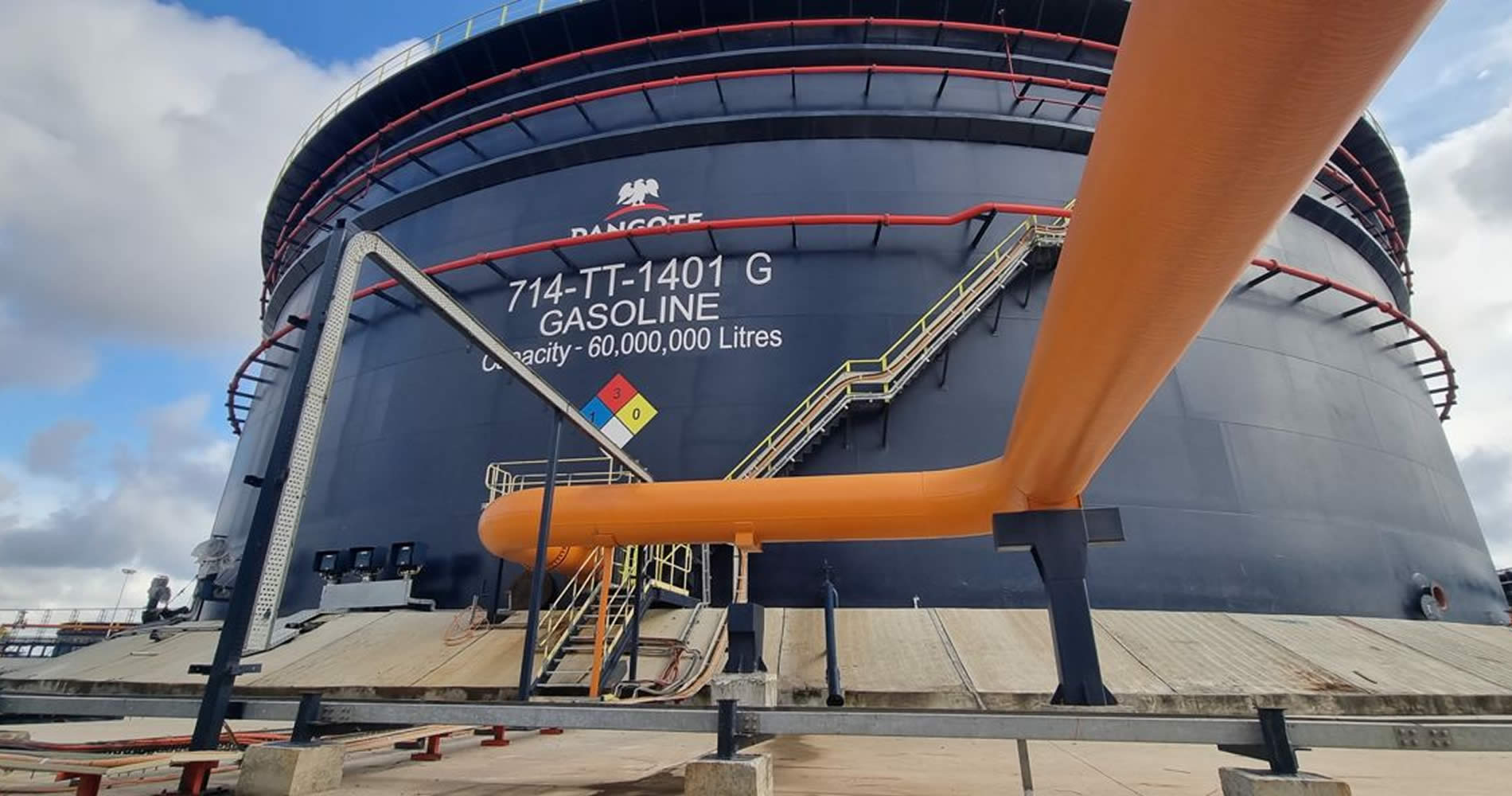
Aliko Dangote’s Nigerian oil refinery is facing a surge in demand from African governments scrambling to secure fuel supplies after the Iran war disrupted flows from the Middle East, which accounts for roughly three-quarters of refined-fuel imports to east and southern Africa.
The 650,000-barrel-a-day Dangote Petroleum Refinery and Petrochemicals has been approached by South Africa, Ghana, Kenya and several other countries, a company executive said. South Africa is seeking a standard 12-month supply contract with Nigeria, according to people familiar with the discussions who asked not to be identified because the talks are private.
“Right now it is not about pricing, it’s about availability,” Dangote told the Economist. “I think the situation will continue for a while.”
Read Also: Nigeria records world’s sharpest petrol price rise amid Middle East war
Africa’s vulnerability laid bare
About 75 per cent of the Dangote facility’s capacity is reserved for Nigeria, leaving a limited but suddenly coveted remainder available for export — a constraint that underscores how ill-positioned the continent is to absorb a supply shock of this magnitude.
“In Africa, the strain may be most acute in the east and southern parts of the continent,” said Elitsa Georgieva, executive director at energy consultancy CITAC, noting the region’s deep dependence on Middle Eastern imports.
South Africa, which has lost roughly half its domestic refining capacity in recent years through accidents and chronic underinvestment, said it was “actively coordinating with industry stakeholders to secure both crude oil and refined petroleum products from a diversified range of sources.” The government said it had enough supply for the “coming weeks” but acknowledged that its strategic reserve position — about eight million barrels of crude with virtually no dedicated fuel stocks — leaves it exposed. Lawmakers flagged the inadequacy of those stockpiles as recently as last year.
Elsewhere on the continent, Ethiopia has ordered fuel stations to prioritise public transport and urged citizens to use energy sparingly. In Mogadishu, fuel prices have nearly doubled.
Businesses brace for worse
The squeeze is already reshaping corporate behaviour. Exxaro Resources, South Africa’s largest coal producer, said coal prices had jumped roughly 20 per cent to $112 a tonne as businesses sought alternatives to imported fuel. Chief executive Ben Magara said the company was also contending with higher freight and insurance costs, as well as potential fuel supply disruptions across its operations.
“Making sure we have enough fuel inventories for a crisis like this is also quite important,” Magara said. “We are putting a lot of business continuity management plans in place because you just, you never know.”
No African country is a member of the International Energy Agency, which requires member states to hold at least 90 days of net oil import reserves — a benchmark that throws the continent’s exposure into sharp relief.

