
Essar, which has operated the UK’s second largest refinery since 2013, pleaded guilty to 12 charges brought by the Environment Agency Wednesday

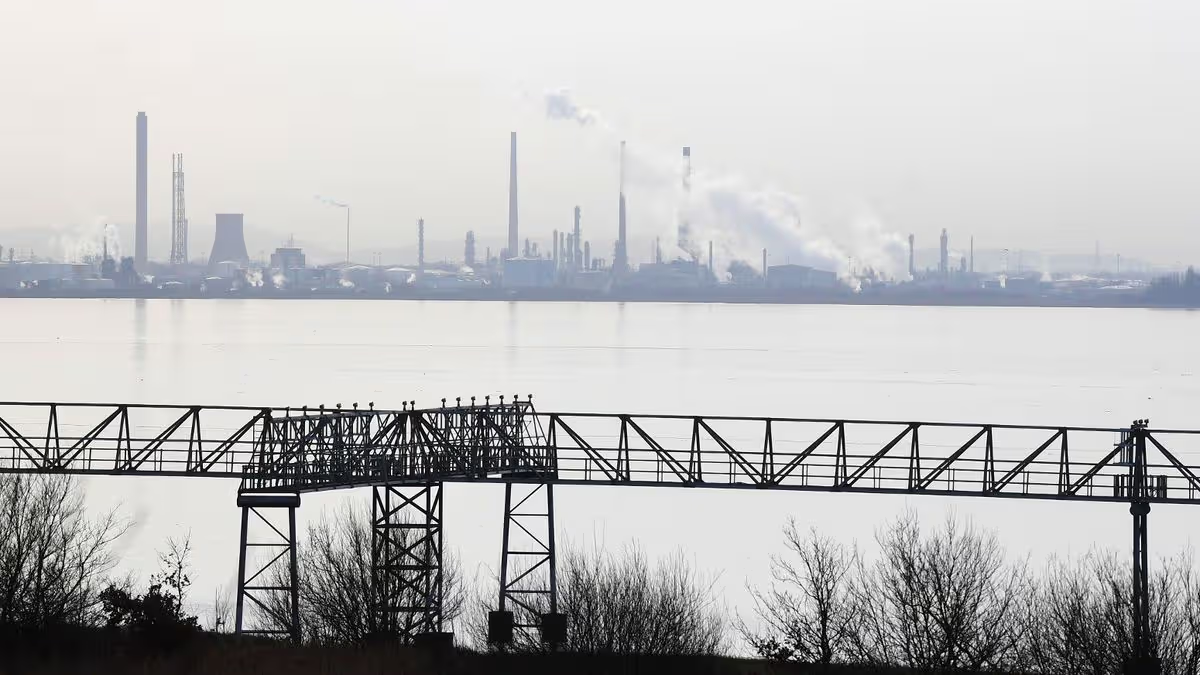
Stanlow Oil Refinery from across the River Mersey.(Image: Colin Lane/Liverpool Echo)
The owners of the Stanlow Oil Refinery in Ellesmere Port breached environmental regulations 491 times in two years as chemicals, including cyanide, were released into nearby rivers and canals. Essar, which has operated the UK’s second largest refinery since 2013, pleaded guilty to 12 charges brought by the Environment Agency at Chester Magistrates’ Court, Wednesday (March 11).
The charges relate to discharges from four points around the plant where waste products are released into water courses, including the Manchester Ship Canal, Thornton Brook and the River Gowy, between 2018 and 2020. Stanlow exceeded the permitted levels of oil, grease and non-dissolved solids released into waterways 435 times during this period.
The plant exceeded permitted levels of cyanide in at least four releases into the Manchester Ship Canal, River Gowy and Thornton Brook between July and October 2020. Excessive levels of phenol were released into the same water not less than six times between July and December 2020.
Essar apologised for the “historic” breaches, adding there were no reports of environmental contamination, or impact on wildlife during the time of these breaches. A spokesperson added that the firm has invested in £24m to reroute its wastewater streams to the wastewater treatment works in Ellesmere Port.
According the UK Health Security Agency (UKHSA), phenol is absorbed into the body “very quickly” and effects can include “nausea, vomiting, diarrhoea, a fast heart rate and sweating.” The government body adds: “In severe cases drowsiness, breathing and heart problems, lung and kidney damage, and death can occur.
“Ingestion of phenol over a long time may cause gut irritation, effects on the heart, nervous system, lung, and decreased body weight. Drinking water contaminated with phenol for long periods of time has caused mouth sores, nausea, and diarrhoea in some people with others also reporting dark urine.”
Between February 6 and February 9, 2019, the plant dumped at least 15 tonnes of di-isopropanolamine into the Manchester Ship Canal, resulting in breaches of emission limits to surface water. The release was caused by the firm failing to comply with its written management system and procedures in the course of bringing a filter online.
Between March 12 and April 30, 2019, 15 tonnes of partially treated effluent was released into Thornton Brook from the plant, resulting in breaches of emission limits to surface water.
Between 2018 and 2020, the refinery breached a water quality parameter measuring the amount of oxygen consumed by chemical oxidation of organic and inorganic matter in water 44 times.
A spokesperson for Essar said: “Essar Energy Transition Fuels takes its responsibilities for wastewater management extremely seriously. The company accepts the enforcement action being taken by the Environment Agency for these historic breaches and regrets and apologises for these incidents.
“There were no reports of environmental contamination, or impact on wildlife during the time of these breaches. Essar Energy Transition Fuels has taken action to address the causes of these breaches.
“The company has invested £24m into new facilities to route Stanlow’s wastewater streams to the United Utilities Ellesmere Port Wastewater Treatment works. The company has also implemented other changes to remedy these issues.
“This has delivered a significant improvement in overall performance ensuring the company is meeting permitting requirements.
“Essar Energy Transition Fuels is committed to continuous improvement and efforts are ongoing to further improve standards for measuring discharges with completion expected in the summer of 2026.”