
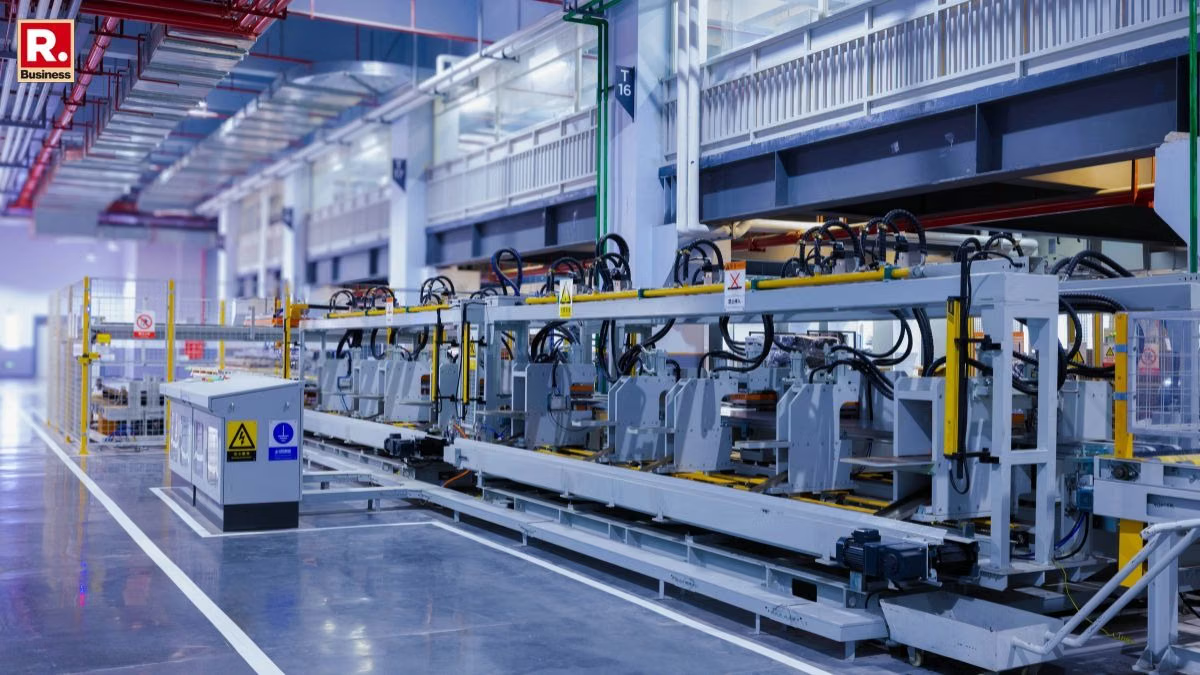
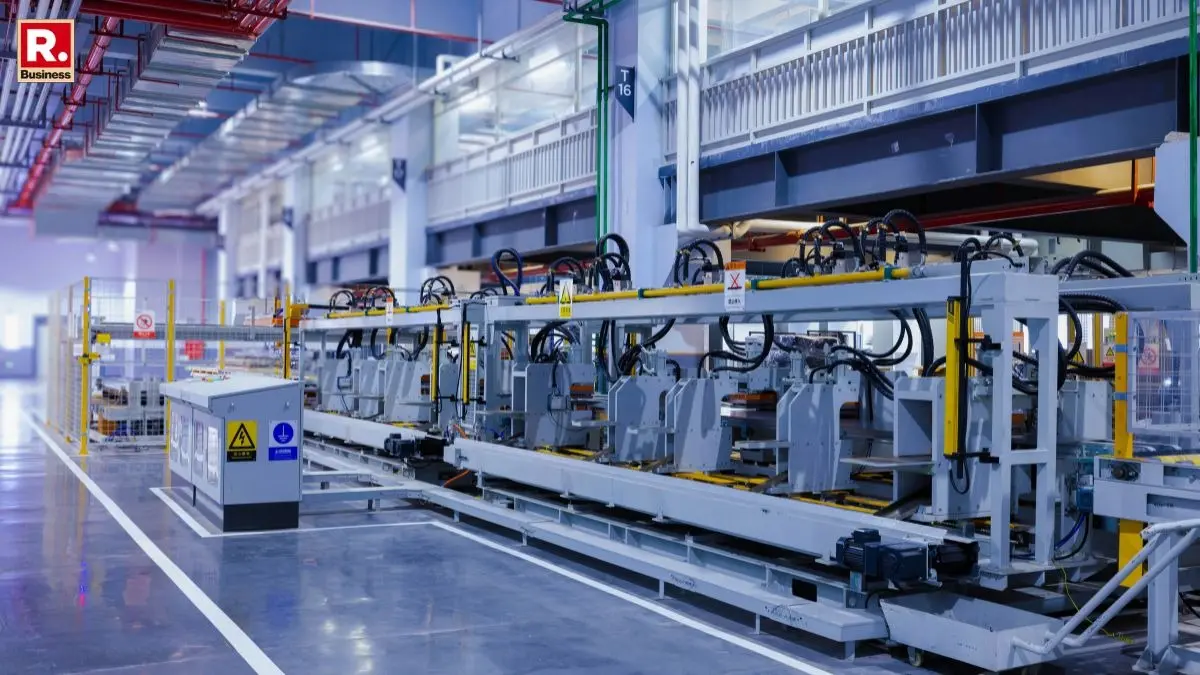
As India approaches Union Budget 2026, the consumer durables and electronics industry is calling for policy continuity | Image:
Unsplash
As India heads into the Union Budget 2026, the consumer durables and electronics sector finds itself at a moment of optimism but with some caution. Demand for appliances, from cooling solutions to kitchen essentials, is rising steadily, manufacturing capacity is expanding, and Indian brands are increasingly eyeing both domestic scale and global relevance. What the industry is now seeking is policy continuity that can convert this momentum into long-term, sustainable growth.
Urbanisation, rising disposable incomes, and rapid consumption growth in Tier 2 and Tier 3 cities have turned consumer durables into one of India’s most dynamic sectors. Industry estimates place the market size at over USD 30 billion, with projections indicating double-digit annual growth through 2027. If current trends hold, India is expected to become the fourth-largest consumer durables market globally within the next two years.
However, appliance penetration in India remains relatively low. Fewer than one in ten households own an air conditioner, washing machines are present in roughly one-third of homes, and refrigerator penetration, while higher, still trails global benchmarks. For manufacturers, this gap represents a massive opportunity, provided that affordability and access improve.
Cooling Demand and Manufacturing Scale-Up
Cooling and climate solutions are emerging as the fastest-growing segments within the sector, driven by rising temperatures, energy-efficiency awareness, and changing lifestyles.
“The cooling and climate solutions of India’s consumer durables sector are entering into a strong growth cycle due to urbanisation, higher disposable incomes, and increasing penetration in tier II and III markets as the main drivers,” says Kalpesh Ramoliya, Founder and Chairman, Raj Cooling Systems.
Industry projections suggest the broader consumer durables market could grow at 12–14% annually over the next few years, while energy-efficient cooling products may expand even faster. Ramoliya points out that domestic production of consumer durables is on track to cross USD 40–45 billion by 2027, supported by localisation and supply-chain realignment.
From a policy standpoint, he believes Budget 2026 could play a decisive role. “The targeted policy support provided by the Budget, such as the extension of PLI benefits to energy-efficient consumer durables, the rationalisation of GST on cooling appliances, incentives for local component manufacturing, and improved access to working capital for MSME-led dealer and distributor networks, will be very important for the continuous growth of the sector.”
PLI Push Strengthens Domestic Manufacturing
Government incentives have already begun reshaping the manufacturing landscape. Under the Production Linked Incentive (PLI) scheme for white goods, companies have committed over ₹10,000 crore in investments, with expected production output exceeding ₹1.7 lakh crore over the scheme’s duration. The programme has encouraged localisation of critical components such as compressors, motors, and electronic control units, reducing dependence on imports.
This manufacturing push is also aligning with global supply-chain diversification, positioning India as a viable alternative production base for multinational brands.
MSMEs: Credit Access Remains Central
For the sector’s vast MSME ecosystem, which contributes around 30% to India’s GDP and employs more than 110 million people, access to credit remains a defining issue.
“As we look ahead to the Union Budget 2026, it’s worth noting that last year’s Budget provided significant support to the MSME sector,” says Ashutosh Gupta, Director of Sales & Marketing, Summercool Home Appliances Ltd. He highlights the expansion of MSME thresholds and the decision to double the credit guarantee cover from ₹5 crore to ₹10 crore. The move is expected to unlock nearly ₹1.5 lakh crore in additional credit over time.
“The small manufacturing companies that managed to get access to credit were able to strengthen working capital, invest in technology upgrades, and expand operations,” Gupta notes. For Budget 2026, he expects further action on financing barriers, regulatory simplification, and incentives for technology adoption to help MSMEs remain competitive and job-generative.
Affordability, GST, and Innovation
As demand shifts toward more advanced and energy-efficient appliances, affordability remains a key concern, especially outside metros.
Tushar Gupta, Director of Operations, Thermocool Home Appliances Ltd, believes rationalising GST on necessity-based home and kitchen appliances could significantly accelerate adoption in smaller cities. “The sector is slowly shifting towards upgraded, efficient, and technologically advanced products,” he says, adding that continued support through PLI schemes and lower import duties for key components would help domestic manufacturers scale faster.
He also points to the need for stronger R&D incentives, particularly for AI- and IoT-enabled solutions focused on energy efficiency and sustainability. With housing demand supported by government schemes such as PM Awas Yojana and rooftop solar initiatives, appliance demand is expected to remain structurally strong.
Building Global-Scale Indian Brands
For industry leaders, the long-term ambition extends beyond domestic growth.
“As India advances toward Budget 2026, the consumer electronics and manufacturing sectors demand resolute policy reinforcement to amplify recent achievements,” says Anand Dubey, CEO, Indkal Technologies. He credits the PLI framework for strengthening local manufacturing but stresses that deeper localisation, across components and finished products, is essential.
According to Dubey, globally competitive Indian brands will be key to reducing import dependency and establishing India as a serious player in global electronics and consumer durables supply chains. “A judicious Budget that resolutely advances Make in India will galvanise industry conviction,” he adds.
With consumption rising, manufacturing expanding, and policy intent largely aligned, the consumer durables sector is approaching an inflection point. Budget 2026, industry stakeholders argue, must now focus on fine-tuning, improving affordability, easing credit flows, supporting innovation, and strengthening supply chains.