
Walk down any aisle in the grocery store, and you’ll see it: shelf after shelf of brightly packaged foods engineered for convenience, long shelf life, and—often—maximum craveability. Lately, many of those products have been swept into a category that’s getting a lot of attention: ultra-processed foods, or UPFs.
But for something that dominates headlines and social feeds, the concept can feel slippery. Is your breakfast cereal a UPF just like soda? Is a plant-based burger as concerning as a bag of chips? And how much does any of this actually matter for your health? We spoke to nutrition and food science experts to find out. They set the record straight, noting that answers are more nuanced than the conversation might suggest.
- Maya Feller, MS, RD, CDN, founder of Maya Feller Nutrition and author of Eating from Our Roots: 80+ Healthy Home-Cooked Favorites from Cultures Around the World
- Arne Astrup, MD, DMSc, professor and former head of the Department of Obesity and Nutritional Sciences at Denmark’s Novo Nordisk Foundation
- David Julian McClements, PhD, distinguished professor, Department of Food Science at the University of Massachusetts
What Are Ultra-Processed Foods?
The term “ultra-processed” comes from the NOVA classification system, which groups foods based on how much industrial processing they undergo. At one end: whole or minimally processed foods like fruits, vegetables, and plain grains. At the other: products made using industrial techniques and ingredients you wouldn’t typically find in a home kitchen—things like emulsifiers, preservatives, and artificial flavors. That sounds straightforward enough. In practice, it’s not.
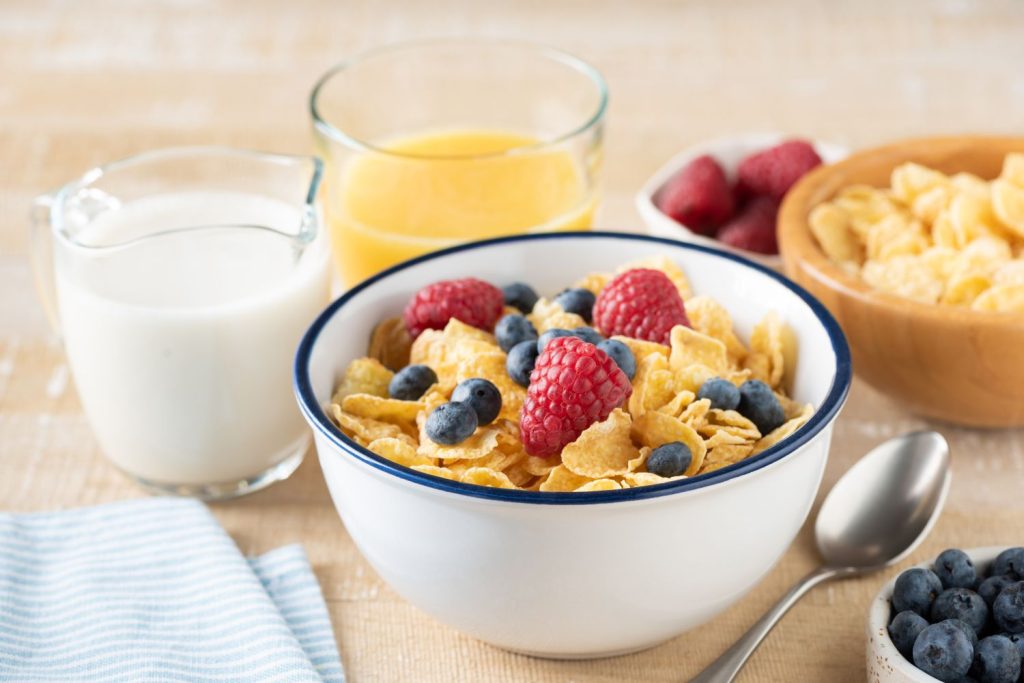
“There is consumer confusion about the healthfulness of ultra-processed foods,” says Maya Feller, MS, RD, CDN. “Because the current working definition … lacks consistency, there is significant variability in the foods placed in the UPF category.” Case in point: soda, mass-produced whole-grain bread, and fortified cereals are all classified as ultra-processed. Nutritionally, they’re not even close. Whole-grain bread and fortified cereals can deliver fiber, vitamins, and minerals, while soda is largely added sugar. That disconnect is one reason some experts argue the label itself can be misleading.
“Foods as different as sugar-sweetened beverages, infant formula, fortified breakfast cereals, plant-based meat alternatives, and shelf-stable whole-grain breads are all classified as UPFs,” says Arne Astrup, MD, DMSc. “From a health standpoint, grouping these foods together is analytically crude.”
Why Experts Are Concerned
Despite the definitional fuzziness, there’s a consistent pattern in research: diets high in certain types of ultra-processed foods—especially sugary drinks and energy-dense snacks—are linked to higher risks of obesity, heart disease, and metabolic issues. But that doesn’t necessarily mean “processing” itself is the culprit.
“Most of the concern attributed to ‘ultra-processing’ appears to be statistically entangled with more conventional dietary risk factors,” says Astrup, pointing to things like high added sugar, refined starches, low fiber, and overall calorie density. In other words, it may not be the industrial techniques that matter most—it’s what those techniques often produce.
From a food science perspective, processing can also change how our bodies respond to food. When the natural structure of a food is broken down—through blending, heating, or other methods—nutrients can become more rapidly available. That can cut both ways. “Rapid digestion of starch may lead to spikes in blood glucose,” explains David Julian McClements, PhD. But in other cases, processing can increase the bioavailability of beneficial nutrients, such as proteins or certain vitamins. The thing to remember is that processing can influence health, but it’s usually secondary to what’s actually in the food.
Not All Ultra-Processed Foods Are Equal
If there’s one takeaway experts agree on, it’s that not all UPFs deserve the same level of concern. Some are consistently linked to poor health outcomes—like sugar-sweetened beverages and highly refined snack foods. Others can play a useful role in a balanced diet.
“Several UPFs are widely recognized as nutritionally useful or even protective,” says Astrup. These include fortified cereals and breads, dairy products, and some plant-based alternatives.
Feller echoes the need for nuance, especially in real-world contexts where time, cost, and access matter. “For many, [whole and minimally processed foods] are not always readily accessible or financially feasible,” she says. And McClements points out, in many ways, food processing has had beneficial effects. “It has made foods cheaper, safer, more convenient, more varied, and have longer shelf lives.” But there have been unintended consequences, too, such as increases in obesity, diabetes, and other chronic diseases. So it’s important to seek out smarter choices within the packaged-food universe.
When you’re using convenience foods as part of a meal, look for options with little to no added sugars, fats, and salts—so you can control what gets added later, says Feller.
How to Tell If a Food Is Ultra-Processed
You don’t need to memorize the NOVA system to spot likely UPFs while shopping. A few quick cues can get you most of the way there:
1. Scan the ingredient list. Long lists with things like emulsifiers, artificial flavors, and preservatives are a common sign. But length alone isn’t everything; context matters.
2. Look for added sugars, fats, and sodium. These are often more meaningful indicators than processing level. Feller suggests aiming for products with lower amounts so you can adjust flavor yourself.
3. Consider the form of the food. Is it ready-to-eat, shelf-stable, and designed to be hyper-palatable (i.e., delicious)? Those are hallmarks of ultra-processed items.
4. Think about structure. A whole apple and apple juice may have similar ingredients—but very different effects on your body.
How Much Do Ultra-Processed Foods Really Matter?
Zoom out from individual products, and the answer becomes clearer: it’s about patterns, not perfection, our experts say. “In my clinical experience, a person’s total nutritional intake should be considered,” says Feller. Foods that make up the bulk of your diet have the biggest impact on long-term health.
So if ultra-processed foods show up occasionally, that’s very different from building most meals around them.
Simple Ways to Cut Back—Without Overhauling Your Life
You don’t need a total pantry purge to shift your diet in a healthier direction. Our experts say small, realistic changes can make a meaningful difference.
- Add more, don’t just subtract: Feller suggests incorporating foods like canned beans—they’re affordable, convenient, and boost fiber and plant-based protein.
- Rethink your drinks: “If a person is a daily consumer of sugar-sweetened beverages, I would recommend switching to a sparkling water infused with real fruit,” says Feller.
- Choose “lighter” packaged options: Look for boxed, frozen, or jarred foods with minimal added sugars, fats, and salts. These can save time and money while still supporting your goals.
- Build a mostly whole-food cart: Fruits, vegetables, whole grains, nuts, and legumes don’t have to replace everything—but they should anchor your shopping.
The Practical Approach
Ultra-processed foods are a useful concept—but an imperfect one. The category lumps together everything from soda to nutrient-fortified staples, which can make it harder—not easier—for shoppers to make informed choices.
Experts say your best bet is to focus less on whether a food is “ultra-processed” and more on what it delivers nutritionally and how it fits into your overall diet. Or, as Astrup puts it: the better question isn’t “How industrial is this food?” but “What does this food contribute?”
That shift in perspective turns a confusing label into something far more actionable—right there in your cart.