
Industry is any economic activity which creates jobs and generates income.
All industry is made up of four sectors that are a linked together like a chain: primary, secondary, tertiary and quaternary industry.
Industries in the primary and secondary sectors are the oldest types of industry and involve working directly with raw products.
Primary industries are the starting point for all industrial activities. They involve the growing, extracting or collection of raw materials from the Earth or sea.
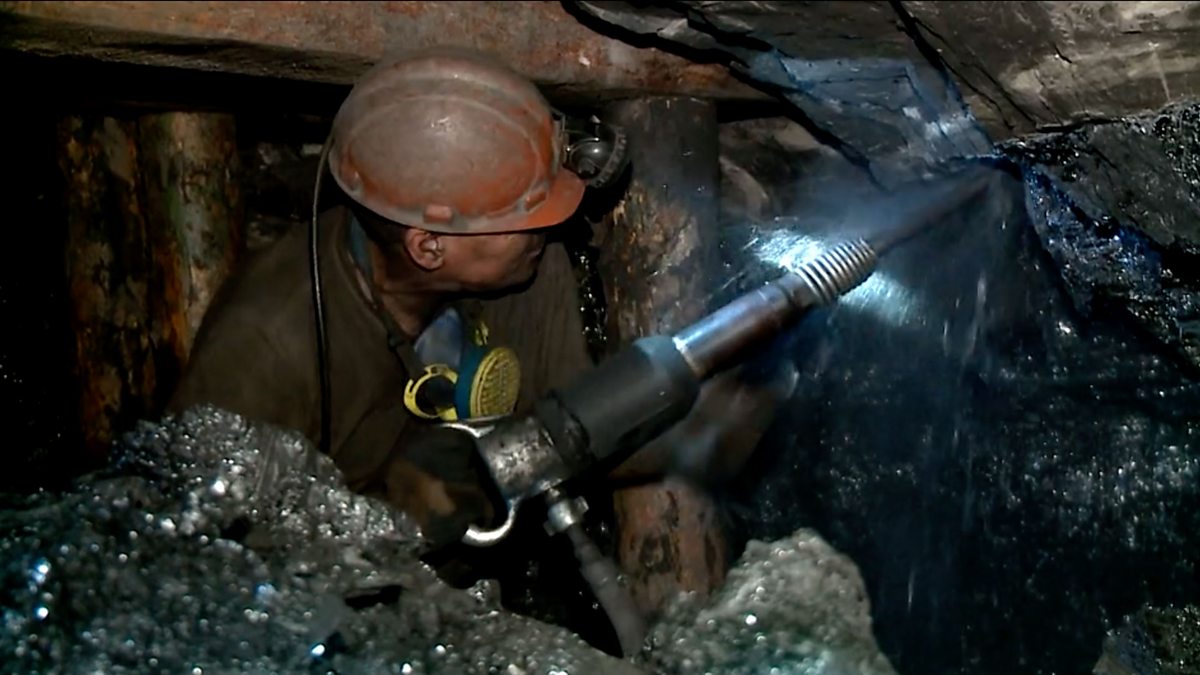
Farming, fishing and mining are examples of primary industries. Work in these industries tends to be hard and physical. In the past, it required a lot of human power or the use of working animals like horses.
Secondary industries are the second link in the chain of industries. Industries in this sector turn raw materials from the primary sector into a manufactured product. Examples of a secondary industry include food processing, which transforms raw produce into the food products we buy in shops. And energy production, where coal, water or other natural resources are used to generate power for our homes and businesses. Car manufacture is another good example of a secondary industry, as it processes raw materials like metal and rubber into the cars we drive around in.
Historically, primary and secondary industries were often sited close together to minimise the cost of transporting materials. Today, it’s common for the raw materials used in manufacturing to cross oceans.
For example, in plane manufacture the component parts can be made in several different locations across the globe and brought to one place to be assembled.
While primary and secondary industries may be less visible in the economy of many developed countries like the UK, they remain the essential first steps in every product that you use or consume.