
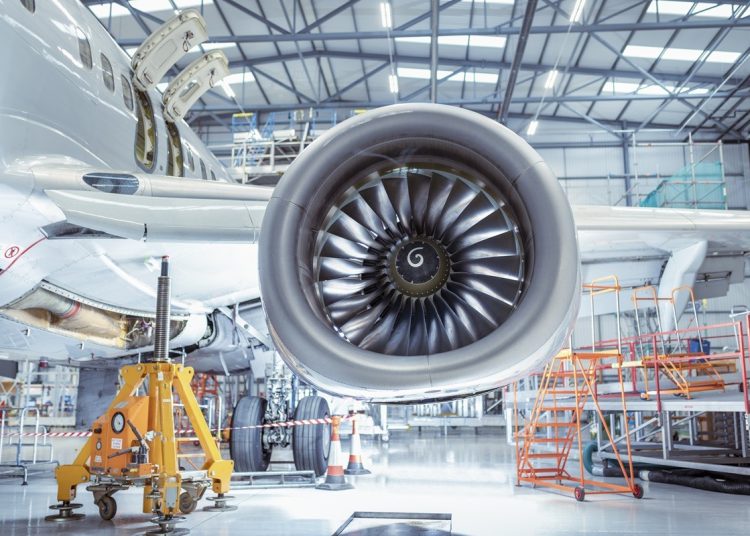
Rabat — Morocco has reached a decisive milestone in its industrial development with the recent launch of construction work on Safran Group’s aircraft engine manufacturing complex, Industry and Trade Minister Ryad Mezzour announced Monday in Rabat.
The minister made his statements at the opening ceremony of the third edition of the National Industry Day (JNI), stressing that this project marks a major turning point in the country’s economic and industrial transformation process.
Mezzour explained that the project represents the culmination of 26 years of strategic economic and industrial choices, openness to international investors, and policies focused on developing world-class skills and industrial infrastructure.
The minister indicated that Morocco, which previously limited itself to manufacturing engine covers, now produces the entire reactor, including the hot sections. This advancement marks a significant technological and industrial leap for the country.
“This project alone should double Morocco’s aerospace sector exports and generate substantial ripple effects for the national economy,” Mezzour said.
The minister credited King Mohammed VI’s vision for consolidating the North African country’s industrial model around three fundamental pillars: training, renewable energy, and public-private partnerships.
Mezzour revealed impressive growth figures, noting that since 2021, Morocco’s industrial exports have more than doubled in four years. He added that Moroccan investors now hold 70% of industrial share capital, demonstrating the rising power of national investors.
The minister also announced the launch of the “Made in Morocco” label, designed to promote Moroccan products with a minimum local added value of 40%. The Moroccan Standardization Institute developed a rigorous evaluation system for awarding this label, based on document analysis, on-site inspection, and production process examination.
Chakib Alj, president of the General Confederation of Moroccan Enterprises (CGEM), commended Morocco’s entry into a new industrial era, marked by complete aircraft engine production and the consolidation of the national industrial fabric. He described this achievement as the fruit of more than two decades of close cooperation between the public and private sectors.
Alj credited the progress to King Mohammed VI’s vision, unwavering collective commitment, and solid public-private partnerships over the past 26 years. These efforts have enabled Morocco to strengthen its competitiveness, attract major investments, and position itself among the world’s most attractive industrial destinations.
The CGEM president stressed that this new industrial direction represents a critical step to stimulate national growth, create skilled jobs, increase exports, and promote innovation, while confirming the private sector’s central role as an engine of sustainable and inclusive growth.