
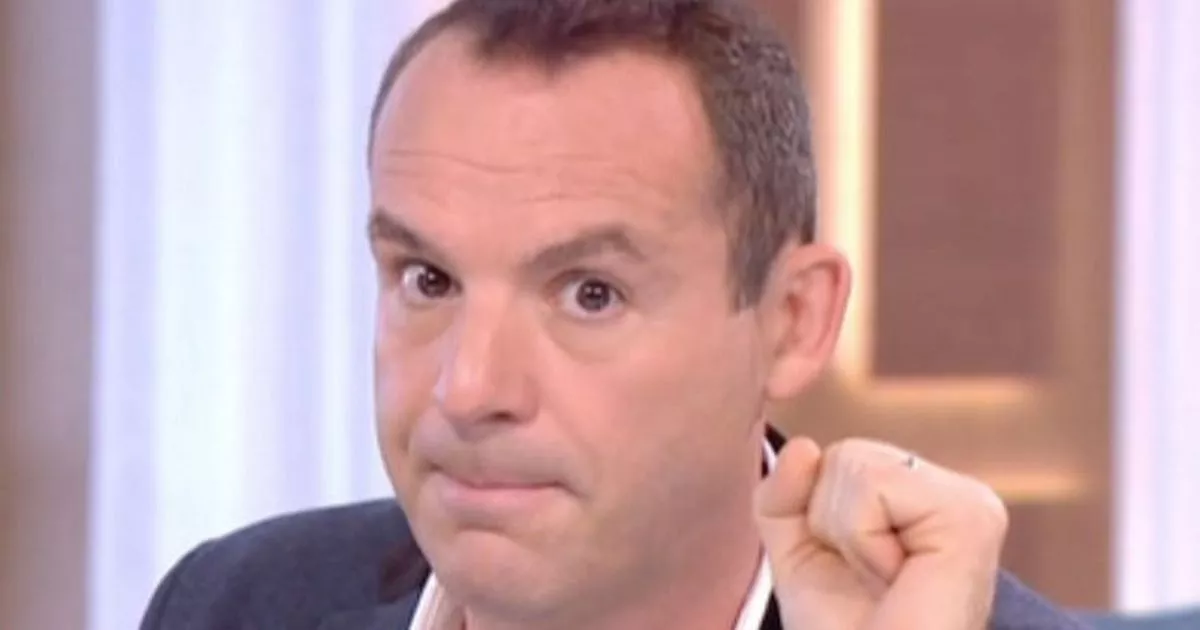
The consumer champion explains two things happening right now which make it crucial for savers to check their interest rate.

Martin Lewis is urging everyone with a savings account to check the interest rate now to make sure they are maximising the return on their money. The consumer champion and the team at MoneySavingExpert.com (MSE.com) have created a bumper guide to making the most of your savings, no matter how big or small you have tucked away.
Writing in this week’s MSE.com newsletter, Martin said there are two things happening ‘right now’ which should prompt all savers to take a look at the return rate on their accounts.
The first is the latest inflation rate (3.8%) and the second is a new easy-access savings rate of 4.75 per cent hit the market.
READ MORE: Martin Lewis mobile phone warning to millions of people with O2 contractREAD MORE: Personal Allowance income tax threshold of £12,570 could increase at Autumn Budget
Martin explained: “We’ve just seen a new top 4.75 per cent easy-access savings account launched, on top of a host of other hot easy-access deals. The 4.75 per cent is the highest since summer, when base rates were cut, so for safety’s sake, CHECK NOW what your savings pay to see if you can switch to a better rate.”
He added: “Last week’s inflation numbers weren’t quite as bad as expected, holding at 3.8 per cent, so while most analysts suggest the Bank of England will hold the UK base rate at 4 per cent in its meeting next week, they think it’s more likely they’ll be cut either in the December or February meeting to 3.75 per cent.
“This is unlikely to yet be reflected in savings rates, so it’s a good time to do it.”
This week’s MSE.com newsletter focuses on how to make sure your savings are working for you with simple steps for those with an easy-access or fixed saving account. There’s also links to the best deals on the market and three ways to boost your interest.
These include regular savings accounts, Lifetime ISAs and the UK Government’s Help to Save scheme.
Martin explained: “If you’re on Universal Credit (UC), and earn anything from working, you can open a Help to Save account on the Gov.uk website. Once it’s open, you can continue to use it even if you become no longer eligible for UC.
“With Help to Save, you can put up to £50/mth in and, after two years, you get a 50 per cent bonus on the max you had in – even if you’ve withdrawn the money. There’s nowt else close to it.”
The extension of the scheme until April 2027 means more people on a low income can benefit from the scheme, which has paid out millions of pounds in bonuses to more than 500,000 people since Help to Save was launched in 2018.
In Scotland, 36,050 people have paid in a total of £33,584,000 into their Help to Save accounts, since September 2018. An account can be set up in just a few minutes – you don’t have to deposit any money straight away – and easily managed through GOV.UK or the HMRC app, making it accessible to people throughout the UK.
Savers who deposit the maximum amount of £2,400 over four years will (£50 per month) receive a bonus totalling £1,200 into their bank accounts, with payments coming at the end of the second and final year.
Help to Save in a nutshell
The Help to Save scheme enables people to deposit between £1 and £50 each month earning an extra 50 pence for every £1 saved, with bonuses paid in the second and fourth years of the account being opened.
Money can be withdrawn at any time, although this may affect the 50 per cent bonus payments. The bonus is determined by the highest amount held in the account.
App users can view their account, check their balance and bonus details, and make a deposit via debit card, bank transfer or standing order.
Even if you’re not able to set aside money for savings at the moment, open an account anyway, while you are eligible to do so, because you don’t have to put any money in.
How payments work
You can save between £1 and £50 each calendar month – you don’t have to pay in every month. Payments can be made by debit card, standing order or bank transfer.
You can pay in as many times as you like, but the most you can pay in each calendar month is £50. You can only withdraw money from your Help to Save account to your bank account.
How bonuses work
You get bonuses at the end of the second and fourth years – these are based on how much you have saved.
Example:
If you put £50 in each month for the first two years – a total of £1,200 – your first bonus payment would be for £600, even if you withdraw it all (but you would need to wait until the 24th month or the bonus payment would be less).
Similarly, if you then add £50 for the next two years, you would receive another £600 payment. This means that in total, you could earn a free £1,200 and if you kept the money in or the whole four years, you would receive an impressive £3,600 when the account closes.
What happens after four years?
Your Help to Save account will close four years after you open it. You will not be able to reopen it or open another Help to Save account. You can close your account at any time. If you close your account early you will miss your next bonus and you will not be able to open another one.
Eligibility
You can open a Help to Save account if you’re receiving Universal Credit and you (with your partner if it’s a joint claim) had take-home pay of £1 or more in your last monthly assessment period.
Your take-home pay is your pay after deductions (such as tax or National Insurance).
If you get payments as a couple, you and your partner can apply for your own Help to Save accounts. You need to apply separately.
You also need to be living in the UK. If you live overseas, you can apply for an account if you’re either a:
- Crown servant or their spouse or civil partner
- member of the British armed forces or their spouse or civil partner
If you stop claiming benefits
You can keep using your Help to Save account.
Will it affect my benefit payments?
You can continue to receive Tax Credits or Universal Credit while saving with Help to Save.
For more information and to set up your Help to Save account, visit the GOV.UK website here.