
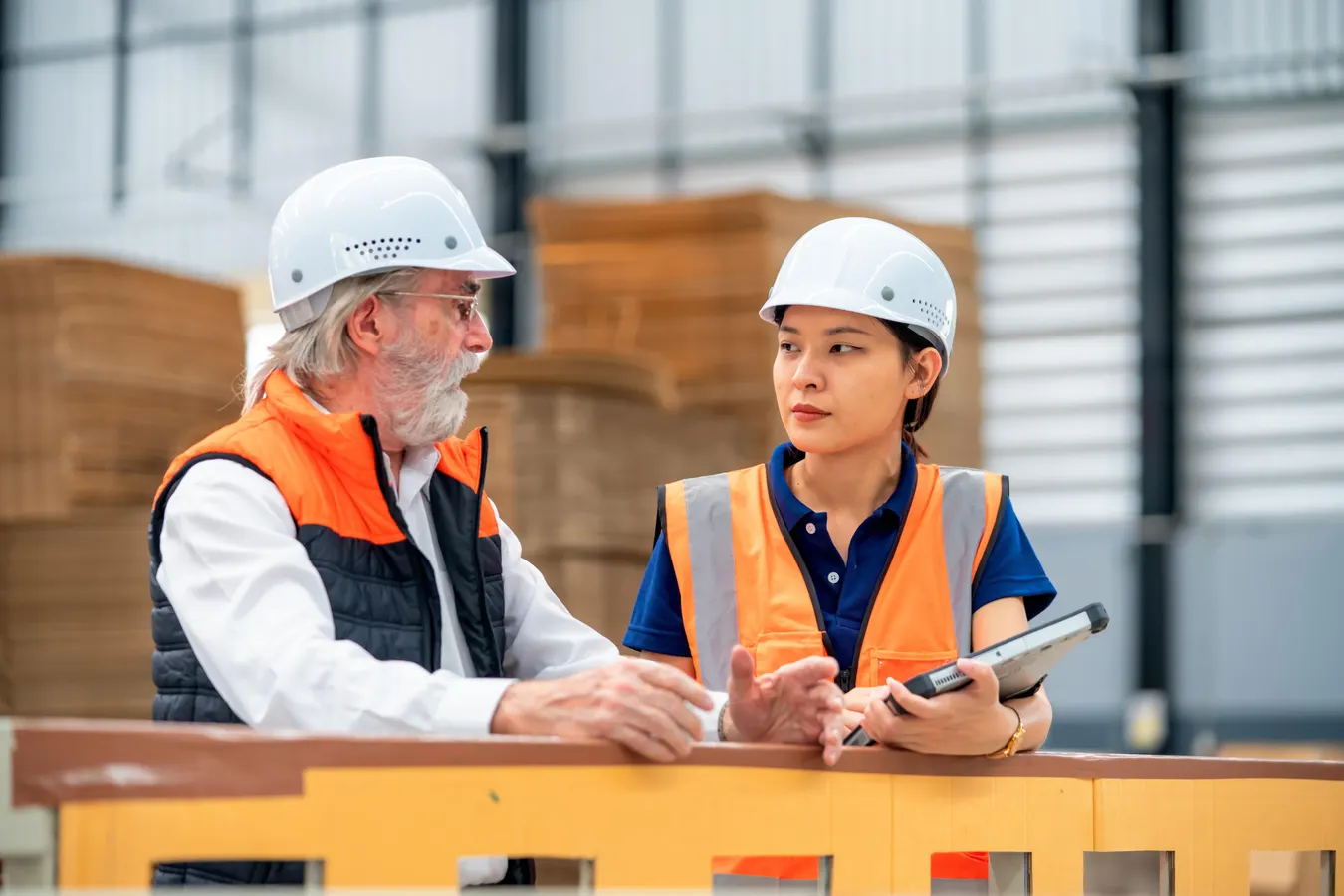
When leaders build leaders, the whole manufacturing industry gets stronger.
getty
The manufacturing industry is at a turning point. Technology is advancing at record speed, markets are shifting, and the workforce is changing faster than ever. For today’s manufacturing leaders, one of the most important responsibilities is not only managing operations and efficiency, but also developing the next generation of talent that will carry the industry forward.
The Workforce Challenge
Skills gaps, retirements, and difficulty attracting young talent have been long-standing challenges in manufacturing. Many plants face the reality of losing decades of experience as seasoned employees retire. At the same time, younger generations often hold outdated perceptions of manufacturing—that it’s dirty, monotonous, or lacking in career growth.
This creates a leadership challenge. How do you transfer knowledge from veteran employees, attract new talent, and build a culture that retains workers in a highly competitive labor market? The answer lies in leadership that is intentional about developing people.
Three Priorities for Manufacturing Leaders
1. Invest in Growth
Employees today—especially younger ones—value learning and development. Leaders who prioritize training, whether through apprenticeship programs, cross-training, or partnerships with technical schools, show that they are committed to long-term careers, not just short-term labor. Continuous learning also creates agility, allowing teams to adapt when new technologies, processes, or customer demands arise.
2. Create a Culture of Purpose
The next generation of workers wants to know that their work matters. Leaders should connect day-to-day tasks on the shop floor to the bigger picture: the company’s mission, the customers they serve, and the industries they impact. When employees understand the “why” behind the work, they are more motivated, engaged, and proud of what they contribute.
3. Model Leadership at All Levels
Leadership is about a lot more than titles; it’s about influence, ownership, and accountability. Strong manufacturing leaders empower supervisors, team leads, and even frontline employees to take initiative and solve problems. By encouraging decision-making and recognizing contributions, leaders build depth in the organization and foster innovation at every level.
Building the Future
Machines and processes drive output, but people drive progress. The leaders who will thrive in the future of manufacturing are those who invest in technology, operational excellence, and their people. Developing talent requires time, patience, and resources, but the return is significant: higher engagement, lower turnover, stronger problem-solving, and ultimately, a more competitive business.
The truth is simple: when leaders build leaders, the whole industry gets stronger. Manufacturing’s future will not be defined solely by automation or efficiency. Its future will be defined by the people who lead it.