
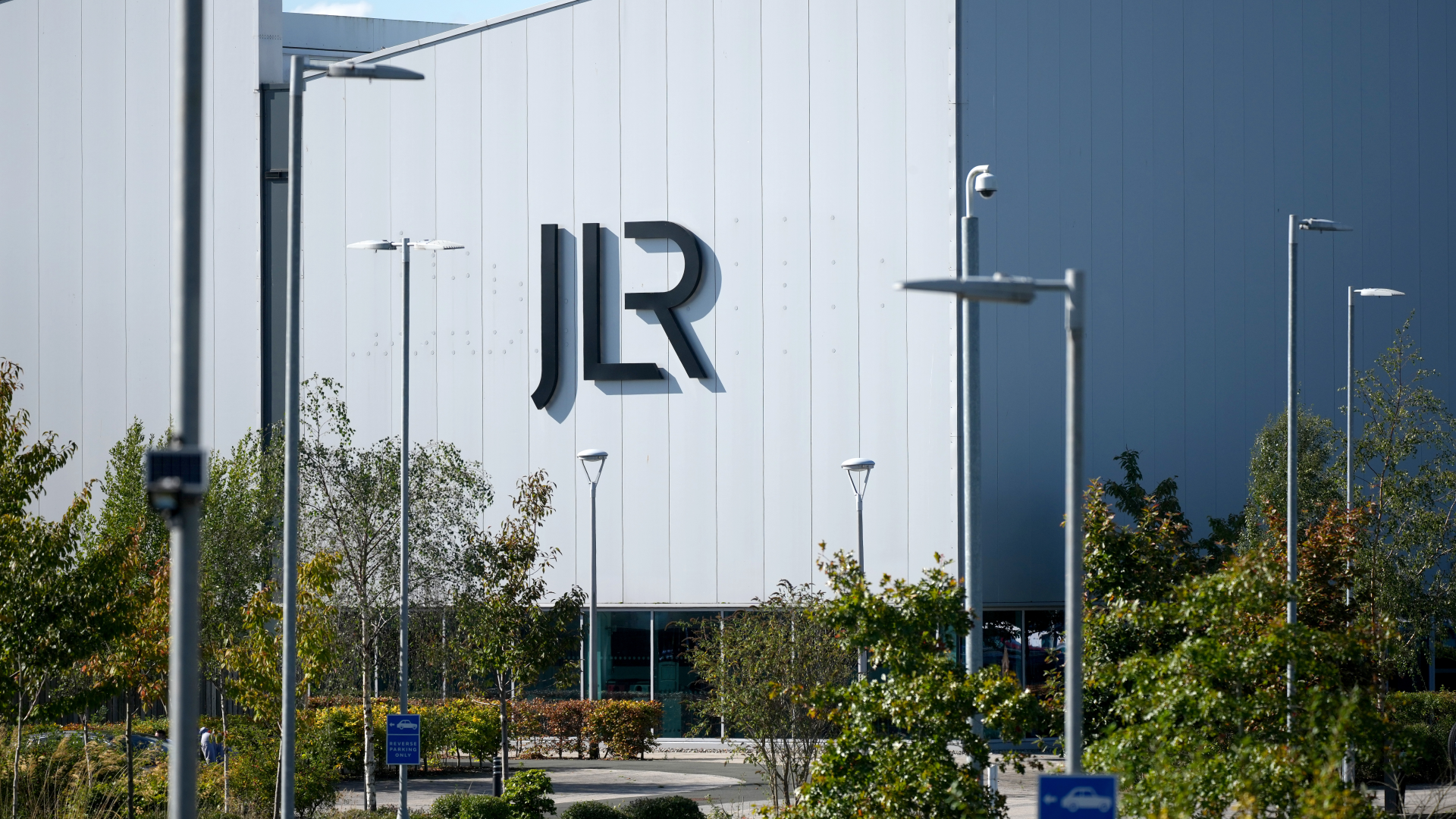
JAGUAR Land Rover, the UK’s largest automotive employer, is beginning to recover from a major cyber attack that has disrupted its operations.
For weeks, the carmaker’s critical systems, including vehicle design and manufacturing, had been paused – with thousands of factory workers forced to stay at home.

4

4
However, some workers have begun to return to the Wolverhampton factory, which manufactures engines – with JLR hoping to begin limited vehicle production this week.
According to Reuters, the restart will include engine and battery unit production, parts of its vehicle manufacturing processes and production lines for key models like the Range Rover and Range Rover Sport.
Other factories, including those in Nitra, Slovakia, and Solihull in the West Midlands, may also resume limited production soon.
High-volume manufacturing, however, will likely take weeks due to the complexity of rebuilding IT systems.
The iconic Halewood factory in Merseyside may take even longer to restart.
This comes as the UK government has pledged to guarantee £1.5bn in private sector loans to support JLR and its supply chain, but a formal agreement has not yet been signed.
In the meantime, JLR is prioritising cashflow to suppliers, particularly smaller businesses, which are struggling financially due to the disruption.
THE WIDER IMPACT
The shutdown of JLR’s factories, which collectively produce around 1,000 cars per day, has significantly impacted the UK’s manufacturing sector.
Indeed, economists have been warning of broader economic repercussions, had the disruption continued.
In response, JLR has been collaborating with cybersecurity experts, the UK’s National Cyber Security Centre and law enforcement to ensure a safe and secure recovery.
Initial production will focus on verifying system functionality before gradually scaling up.
The company has kept employees, retailers and suppliers informed about the phased restart of operations.

4

4