
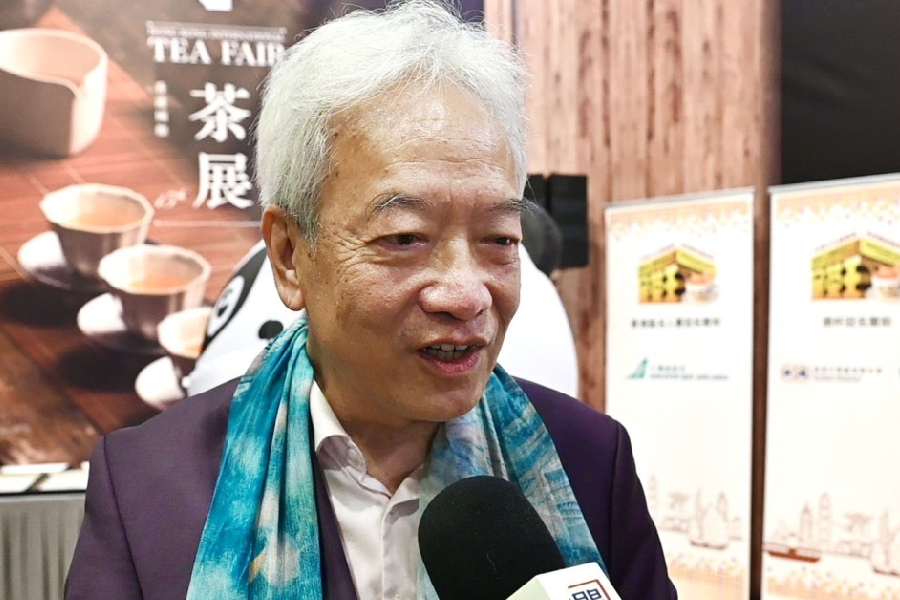
Simon Wong Ka Wo, president of the Hong Kong Federation of Restaurants and Related Trades

Edward Leung Hei, chairman of the Hong Kong Feast and Retreat Association.
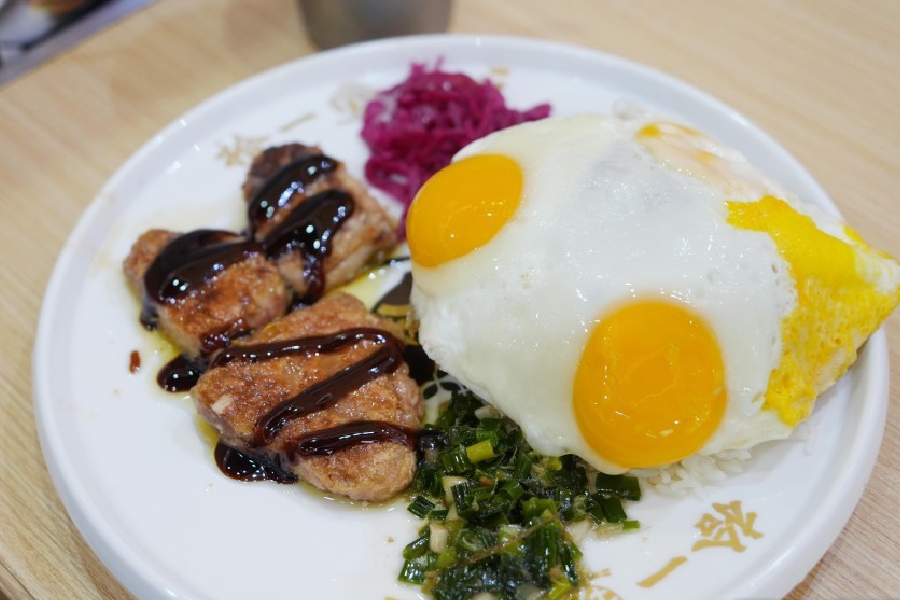
Chinese-produced foie gras is storming Hong Kong’s dining scene, landing on tea restaurant menus at a fraction of the cost of French imports. Industry leaders say this move boosts the city’s reputation as a “food paradise.”
Mainland foie gras production hit 14,000 metric tons last year, a 30 percent increase from 2024, while French output slipped three percent to 15,000 tons, according to industry reports. Analysts expect China to overtake France as the world’s top foie gras producer this year or next.
Simon Wong Ka Wo, president of the Hong Kong Federation of Restaurants and Related Trades, said mainland foie gras production is concentrated in two major areas: Weifang, Shandong, and Lu’an, Anhui, mainly supplying the domestic market.
Around five percent is exported to Hong Kong, Macau, Southeast Asia, Japan and South Korea, mostly for high‑end restaurants.
He added that many small and medium‑sized farms raise French-bred geese, and after years of technical improvements, the quality of mainland foie gras now rivals that of France.
Mainland foie gras is about 30 percent cheaper than French, said Wong. Besides premium exports, there is also a large volume of standard‑grade foie gras at even lower prices.
Recently, local tea restaurants have begun adding foie gras to their menus to attract customers, and he expects more types of eateries to follow suit.
Price gaps in the market lead many restaurants to rely on mainland supply, according to Edward Leung Hei, chairman of the Hong Kong Feast and Retreat Association.
He acknowledged that French foie gras is “truly richer,” but at higher cost, so restaurants choose according to their positioning. Overall, high‑end venues still prefer French or Hungarian foie gras, while mid‑price establishments are already considering cheaper mainland options.
Exports of mainland foie gras remain limited mainly because quality control is not yet fully mature, and some products may not fully meet import standards, Leung said.
But he believes that if supply stabilizes in the future, foie gras could, like caviar, partially replace foreign products.
Leung mentioned that if mainland supply becomes more stable, it will not only allow the food industry to provide more options but also help strengthen the appeal of Hong Kong’s “food paradise” brand, thereby attracting more visitors.
Thus, introducing Chinese foie gras has positive effects on both local dining and tourism.