
June 25, 2026
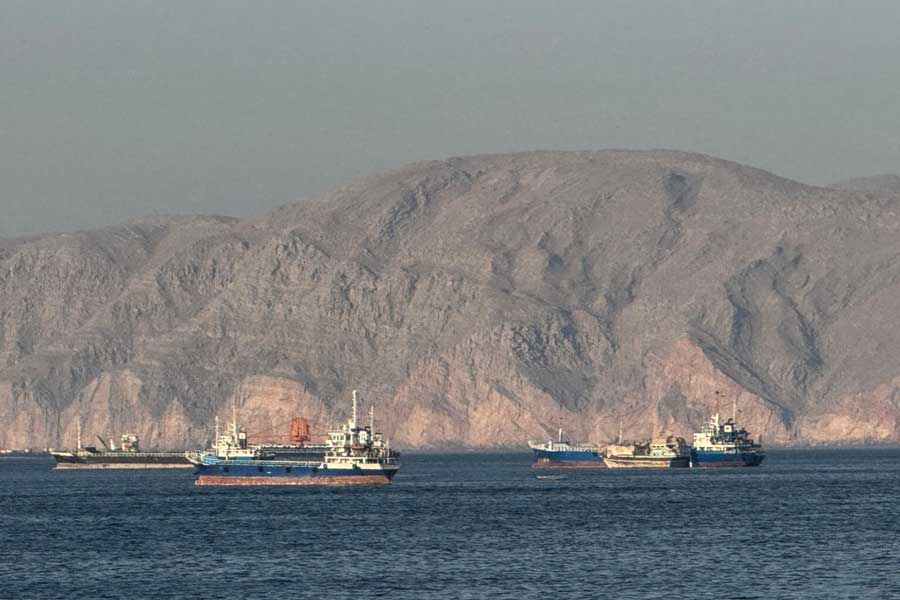
JAKARTA – Two tankers belonging to state-owned energy giant Pertamina remain stuck in the Arabian Gulf, awaiting clearance to transit the Strait of Hormuz, despite reports that other vessels were able to leave the area on Monday following progress in United States-Iran peace talks.
The Pertamina Pride and the Gamsunoro, both operated by PT Pertamina International Shipping (PIS), are holding position as the state energy holding company weighs the latest security assessments before authorizing passage through the world’s most critical oil chokepoint.
Muhammad Baron, Pertamina’s vice president of corporate communications, confirmed the vessels’ status while welcoming diplomatic progress aimed at stabilizing the region.
“Pertamina welcomes any developments that lead to stability and peace in the Middle East, including the opening of international shipping lanes in the Strait of Hormuz as a strategic global energy distribution route,” Baron told The Jakarta Post on Wednesday.
The two vessels are safe, Baron said, but the company will not order them through the narrow strait until it receives a comprehensive risk assessment and formal recommendations from relevant authorities.
“Regarding plans to transit the Strait of Hormuz, operational decisions will be made based on the latest risk assessment results and recommendations from relevant authorities,” he said.
The cautious approach underscores the fragility of the security environment in the Arabian Gulf, a waterway that carries roughly one-fifth of global oil supply.
Pertamina continues to monitor the situation on the ground, in coordination with the Foreign Affairs Ministry, the Indonesian Embassy in Tehran, local authorities and international partners to ensure shipping safety and fleet operational readiness.
Baron stressed that crew welfare and asset integrity remain the overriding priorities guiding any operational decision.
“Pertamina continues to prioritize crew safety and asset security in all operational decisions,” he said.
Indonesia has intensified diplomatic efforts with Iran via its embassy in Tehran, given that roughly 20 percent of its crude oil imports rely on the strait. But the push has seen little progress, even as Iran has granted permits to other countries, including Malaysia.
At least 172 vessels have transited the Strait of Hormuz since the US and Iran signed a deal to end the war, including 42 on Saturday alone, according to maritime intelligence firm Kpler, according to a BBC report.
The BBC noted that a significant portion of the vessels transiting the waterway in recent days have ties to Iran, after Washington lifted its naval blockade as part of the agreement.
Yet that figure is still well below the pre-conflict average of about 138 daily crossings.
According to AFP, at least 37 vessels transited the strategic waterway on Monday, citing data from analytics platform Kpler, including five empty liquefied natural gas (LNG) tankers.
Separate data from shipping intelligence provider AXSMarine showed an even higher tally of 42 commercial vessel crossings, including container ships.
“This may be one of the clearest signs so far of a tentative normalization in traffic,” AXSMarine analyst Mihail Todorov told AFP.
Signs of renewed movement continued into Tuesday. Reuters reported that two Trafigura-operated Very Large Crude Carriers (VLCCs), each carrying 2 million barrels of crude oil, successfully exited the strait.
Meanwhile, BBC Verify’s analysis of ship-tracking data showed more than 200 tankers still waiting inside the waterway.