
Published on
June 23, 2026

Image generated with Ai
The Singapore Airlines flight delay KLIA 2026 incident has triggered widespread attention across Southeast Asia after a Boeing 737-8 operating the Singapore–Kuala Lumpur shuttle route was grounded following a dual tyre deflation at Kuala Lumpur International Airport (KLIA). The disruption led to a cascading operational delay of nearly six hours for the return flight SQ113/SQ114 rotation, affecting more than 150 passengers and crew. The incident highlights how a single technical fault can disrupt one of the world’s busiest short-haul air corridors between Singapore Changi Airport and KLIA.
Singapore Airlines Flight Delay KLIA 2026: What Happened at KLIA and Why It Matters
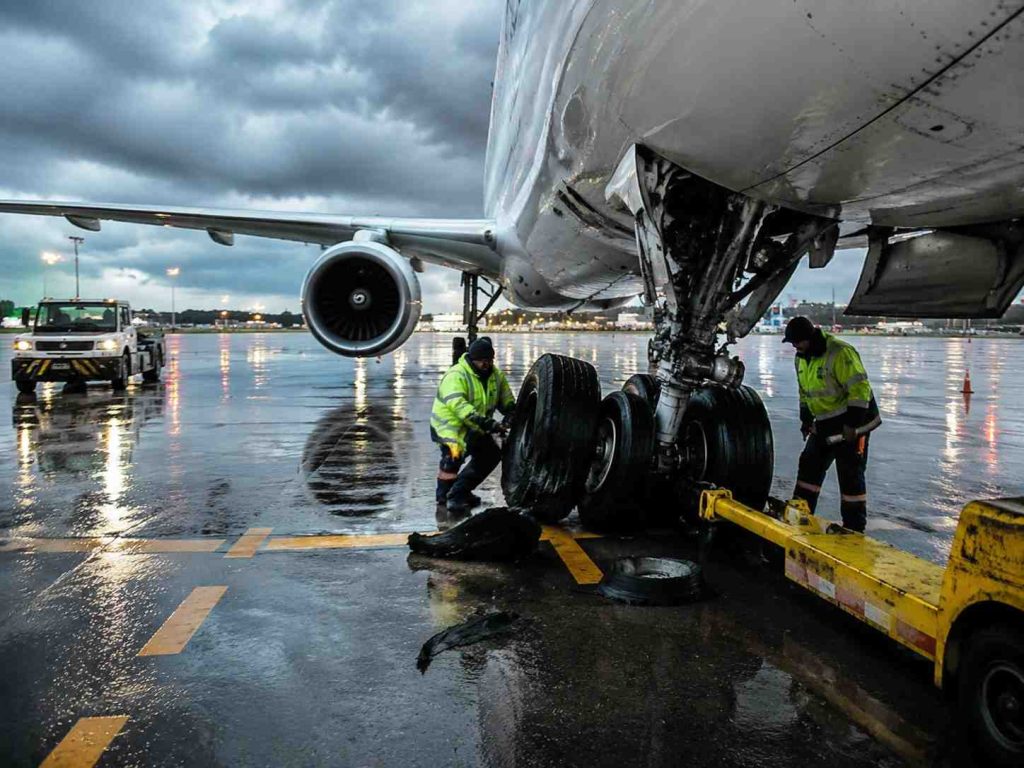
The Singapore Airlines flight delay KLIA 2026 began after flight SQ114 landed in Kuala Lumpur from Singapore and experienced deflation of two tyres on landing. The aircraft could not taxi normally and was towed to a remote bay, forcing passengers and crew to disembark and transfer by bus to the terminal.
According to airline confirmation, a replacement aircraft was deployed to continue the return sector SQ113 from Kuala Lumpur to Singapore. However, scheduling delays and weather conditions further extended the disruption.
Key operational facts:
• Aircraft type: Boeing 737-8
• Passengers affected: 143 passengers + 8 crew (SQ113 sector)
• Delay duration: approximately 6 hours
• Departure time shifted from 2.35pm to 8.27pm
Advertisement
Advertisement
Dual Tyre Failure at KLIA: The Core Trigger Behind the Singapore Airlines Delay
The central cause of the Singapore Airlines flight delay KLIA 2026 was confirmed as a dual tyre deflation after landing at KLIA. This type of incident is rare but operationally significant because it prevents normal aircraft taxiing and requires towing.
Why this matters for aviation operations:
• Aircraft must be inspected before reuse, delaying turnaround cycles
• Replacement aircraft must be repositioned from another airport
• Crew duty time limits create additional scheduling pressure
• Short-haul routes like SIN–KUL are highly time-sensitive
Advertisement
Advertisement
This incident also follows reports of similar tyre-related disruptions on the same aircraft rotation within a short period, raising operational scrutiny over turnaround conditions at high-frequency regional airports.
Global Travel Impact: Countries Affected by KLIA Flight Disruption
The Singapore Airlines flight delay KLIA 2026 did not remain a local issue. Due to Singapore’s hub status, disruptions spread across multiple international travel networks.
Advertisement
Advertisement
Countries impacted:
• Singapore: outbound passengers delayed at Changi hub connections
• Malaysia: KLIA operational disruption and aircraft towing procedures
• India: missed onward connections via Singapore hub routes
• China: transit passengers affected on long-haul Europe/US routes via Singapore
• Australia: delayed Europe-bound connections through Changi Airport
• United Kingdom: business travelers impacted through hub rerouting
Why hub countries are heavily affected:
• Missed intercontinental flights
• Rebooking congestion
• Hotel and transit lounge overflow
• Disrupted business travel schedules
Singapore Airlines Flight Delay KLIA 2026: Passenger Experience Inside the Disruption
Passengers experienced multiple schedule changes before departure. Initial updates cited technical issues from the aircraft’s earlier sector, followed by further delays due to weather conditions in Singapore.
Passenger support included:
• Meal vouchers worth RM50 (≈ S$15.70)
• Snack packs during waiting time
• Assistance with rebooking connecting flights
• Bus transfers from remote aircraft parking bay
Advertisement
Advertisement
Despite support measures, passengers faced extended terminal waiting times of nearly five hours before boarding.
KLIA Operational Pressure and Changi–KL Air Corridor Reliability

Image generated with Ai
The Singapore Airlines flight delay KLIA 2026 incident highlights structural pressure on the Singapore–Kuala Lumpur air corridor, one of the busiest international flight routes globally.
Operational challenges include:
• High-frequency shuttle scheduling
• Tight aircraft turnaround windows
• Weather sensitivity in Singapore airspace
• Ground handling delays at KLIA remote bays
Why the SIN–KUL route is critical:
• Multiple daily flights operated by Singapore Airlines, Malaysia Airlines, AirAsia, and other carriers
• Strong demand from business and tourism travelers
• Short flight duration makes even small disruptions highly visible
Impact on Airline Industry and Regional Tourism
The Singapore Airlines flight delay KLIA 2026 has broader implications beyond a single airline.
Advertisement
Advertisement
Airline impact:
• Aircraft rotation disruption across Southeast Asia network
• Increased maintenance inspection requirements
• Higher operational recovery costs due to replacement aircraft deployment
Tourism impact:
• Reduced confidence in short-haul reliability for same-day travel
• Potential shift toward rail and bus travel for Malaysia–Singapore corridor
• Short-stay tourism scheduling disruptions
Hospitality impact:
• Increased demand for transit hotels near KLIA and Changi
• Higher lounge occupancy during irregular operations
• Last-minute rebooking pressure on hotel inventory
What Travelers Should Do During KLIA Flight Disruptions
For passengers affected by events like the Singapore Airlines flight delay KLIA 2026, practical steps are essential.
Key travel actions:
• Check flight status frequently before airport departure
• Use airline apps for real-time rebooking options
• Request compensation or meal vouchers where applicable
• Keep buffer time for connecting flights via Singapore Changi
• Consider alternative transport (train/bus) for short-haul KL–Singapore travel
• Monitor weather conditions in both Singapore and Kuala Lumpur
Airline and Airport Operational Snapshot
Advertisement
Advertisement
| Category | Details |
|---|---|
| Route | Singapore (SIN) – Kuala Lumpur (KUL) |
| Aircraft | Boeing 737-8 |
| Incident Type | Dual tyre deflation after landing |
| Delay Duration | ~6 hours |
| Affected Passengers | 143 passengers + 8 crew |
| Airport Involved | Kuala Lumpur International Airport (KLIA) |
| Hub Airport Impact | Singapore Changi Airport |
Frequently Asked Questions (FAQ)
Why was the Singapore Airlines flight delayed at KLIA in 2026?
The delay occurred due to a dual tyre deflation on landing at KLIA, requiring towing and aircraft replacement, which caused cascading delays.
How long was the Singapore Airlines KLIA flight delay?
The return flight SQ113 was delayed by approximately six hours, departing at 8.27pm instead of 2.35pm.
Which passengers were affected by the KLIA incident?
Passengers traveling across Singapore, Malaysia, India, China, Australia, and UK transit networks via Singapore Changi Airport were indirectly affected.
Author’s Observation
The incident highlights the fragility of high-frequency regional aviation corridors where even minor technical failures can trigger global ripple effects. While safety systems worked as intended, the operational impact underscores the need for stronger resilience in short-haul hub networks like SIN–KUL.
Advertisement
Advertisement
