
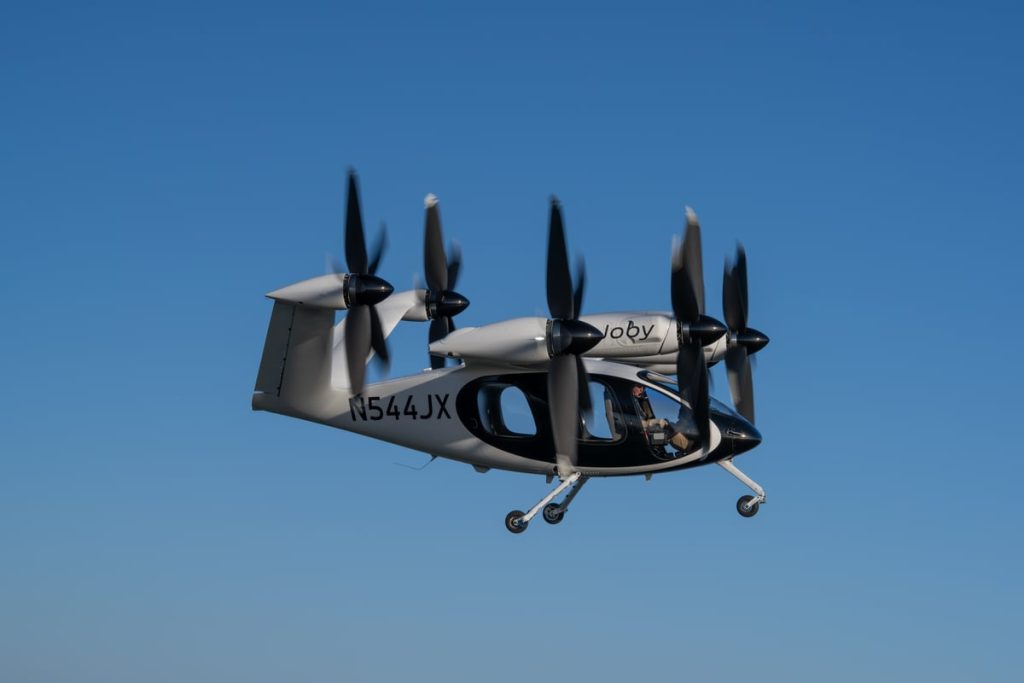
Joby Aviation (JOBY 0.14%) is working toward its goal of entering the electric vertical take-off and landing (eVTOL) industry.
The eVTOL industry is only just getting started but packs significant upside potential. Grand View Research estimates that it could soar to $28.6 billion by the end of the decade. With commercial flights yet to begin, Joby Aviation stock remains a narrative-driven investment, or a story stock, at this point.
Investors are justified in wondering whether it’s a buy, sell, or hold in 2026. Here’s why holding may make the most sense for long-term investors right now.

Image source: Joby Aviation Inc.
Joby Aviation’s story continues
The eVTOL industry has significant promise, as these small, electric-powered aircraft can help alleviate traffic congestion in densely populated areas, such as New York and other major cities. Joby Aviation is one of several eVTOL companies racing through the regulatory approval process to safely conduct commercial flights.
Joby’s investment story rides on two crucial parts. First is the company’s actual progress through that regulatory process. Joby’s begun flying its FAA-conforming aircraft, including a demonstration flight in New York City in early April. The FAA-conforming aircraft is the FAA-approved certification configuration for testing, which, if successful, will pave the way for Joby to begin commercial flights. Management hopes to begin its initial commercial operations this year.
The other major aspect of investing in Joby is the company’s strong commercial partnerships. Uber Technologies plans to integrate Joby’s aircraft into its ride-sharing network, allowing customers to summon air taxis right through their Uber app. Joby will also partner with Delta Airlines to bring air taxi services to New York City and Los Angeles.
Be careful looking too far ahead
If things go according to plan, Joby won’t be just a story stock for much longer. As commercial operations ramp up, so will Joby’s sales. Wall Street analysts project revenue will grow to approximately $111 million this year and double to about $222 million next fiscal year.https://ycharts.com/charts/fund_chart_creator/fool/#/?annotations=&annualizedReturns=false&calcs=id:sales_est_0y,include:true,,id:sales_est_1y,include:true&correlations=&dateSelection=range&displayDateRange=&displayTicker=false&endDate=&format=real&legendOnChart=false¬e=&partner=fool_720"eLegend=false&recessions=false&scaleType=linear&securities=id:JOBY,include:true,type:security,,&securityGroup=&securitylistName=&securitylistSecurityId=&source=false&splitType=single&startDate=&title=&units=false&useEstimates=false&zoom=1&aiSummaries=&chartId=&chartType=&customGrowthAmount=&dataInLegend=value&lineAnnotations=&nameInLegend=name_and_ticker&performanceDisclosure=false&useCustomColors=false&hideValueFlags=false
That said, Joby remains a speculative stock for the time being. For instance, one crash or failure during tests could delay or derail commercialization plans. There’s also the fact that investors have already piled into Joby stock. Today, Joby trades at a market capitalization of $10.2 billion, or roughly 46 times next year’s revenue estimates. In other words, even if Joby begins making money, investors have already priced any near-term success and growth into the stock.
But it gets harder to find a surefire path to success as you gaze further into the future. Joby competes with Archer Aviation among several other companies working to bring eVTOL to the skies, so it’s too soon to know how much market share Joby might wind up with.

Today’s Change
(-0.14%) $-0.01
Current Price
$10.35
Key Data Points
Market Cap
$10B
Day’s Range
$10.03 – $10.63
52wk Range
$6.42 – $20.95
Volume
991K
Avg Vol
26M
Gross Margin
-1606.00%
Here is why Joby Aviation is a hold right now
While it’s not a done deal, Joby’s regulatory progress is impressive and gives investors reasonable confidence that commercial operations are coming sooner rather than later. Barring setbacks in testing or other missteps, Joby also seems capable of ramping up commercial flights over the coming years, thanks to those partnerships with Uber and Delta.
In the meantime, Joby, which burned through $660 million in cash over the past four quarters, seems well funded for any upcoming growth and expansion efforts. The company had approximately $2.5 billion in cash and short-term investments at the end of March.
Yet that doesn’t make Joby a buy. Shares seem far too expensive right now. It’s unclear when Joby will be profitable, or what the market will ultimately settle on as an appropriate valuation for Joby as its business matures. There could be lots of downside risk to Joby’s current valuation, or, at the very least, shares could remain volatile for the foreseeable future.
It seems holding for now is the best move for most investors, who may see better buying opportunities as the stock inevitably fluctuates.