
The Hong Kong Special Administrative Region government has activated the “alert” response level — the lowest of a three-tier mechanism — after the World Health Organization declared that fresh outbreaks of Ebola in the Democratic Republic of the Congo (DRC) and Uganda pose a public-health emergency of international concern.
The Hong Kong authorities said that, so far, there have been no confirmed local cases of the deadly disease, and that the immediate health impact on the territory is low.
Under the Preparedness and Response Plan for Ebola Virus Disease, the Centre for Health Protection (CHP) of the Department of Health is implementing a series of prevention and control measures to guard against imported cases.
ALSO READ: HK records first local case of rat Hepatitis E virus this year
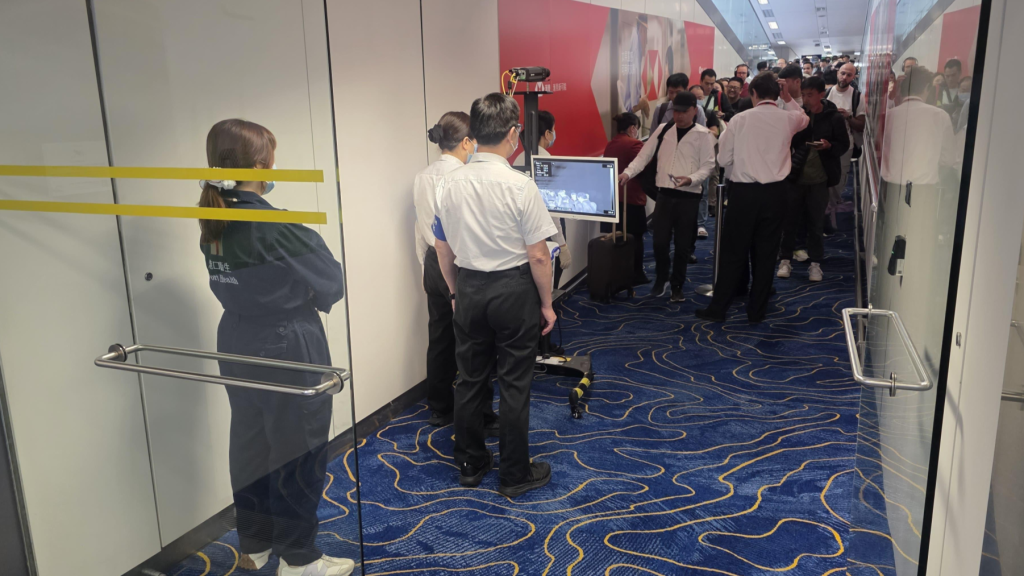
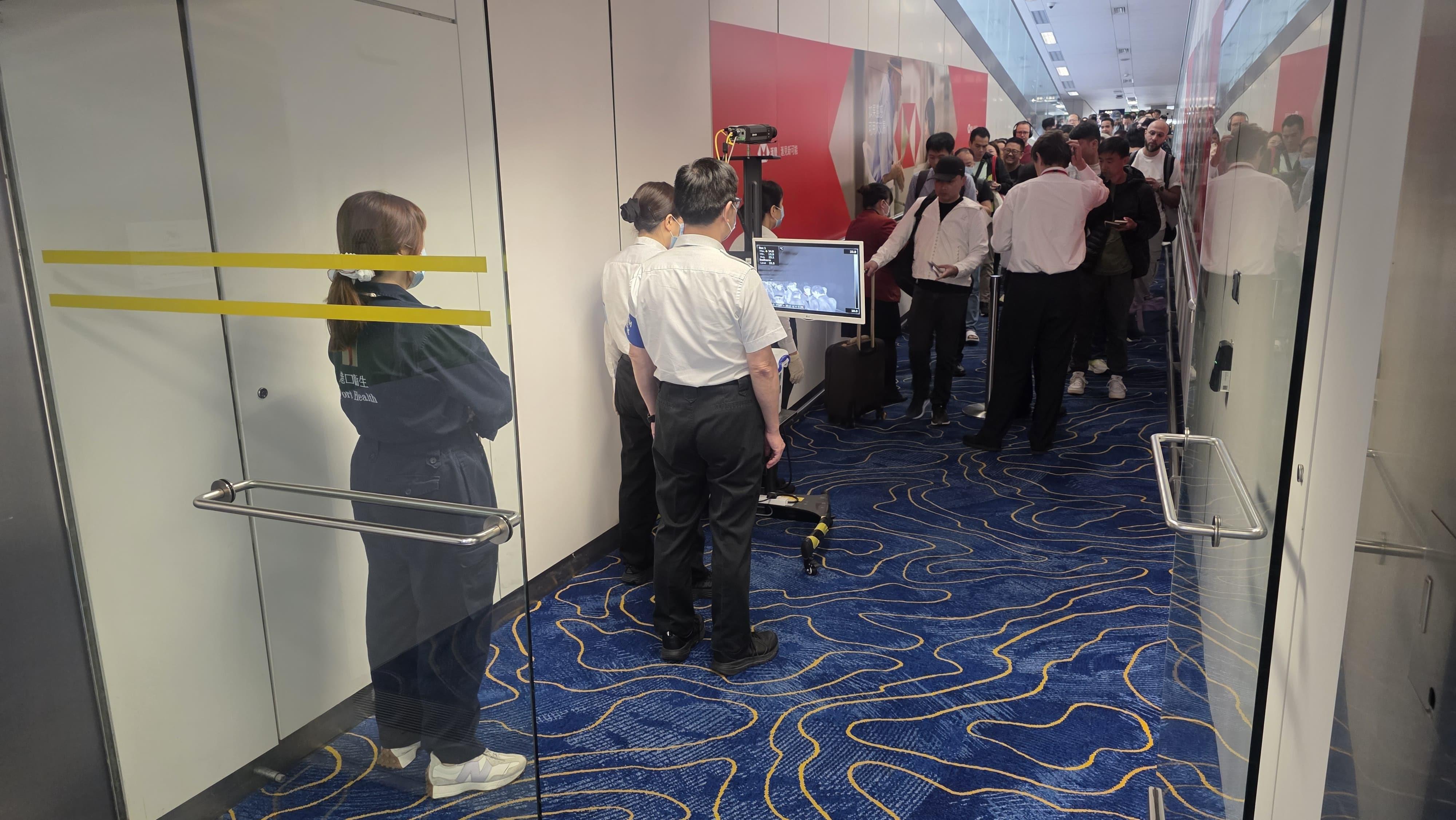
The measures include health screenings for people arriving at all border control points. Port health officers will also conduct temperature checks at relevant flight gates and screen passengers exhibiting symptoms. Suspected cases will be immediately referred to public hospitals for isolation and treatment until specimens are tested negative for the virus.
The CHP will also strengthen public awareness of the disease at all border control points and provide the Airport Authority and local airlines with the latest information on the African outbreak.
The WHO has declared a global health emergency over the Bundibugyo virus disease — a strain of the Ebola virus genus — that has so far killed 80 people in the DRC, with more than 200 cases reported.
At present, there are no specific therapeutics or vaccines for the highly infectious disease.
Hong Kong’s response plan adopts three levels — alert, serious, and emergency — based on the risk assessment of the disease’s potential effect on the city and its health implications for the community.